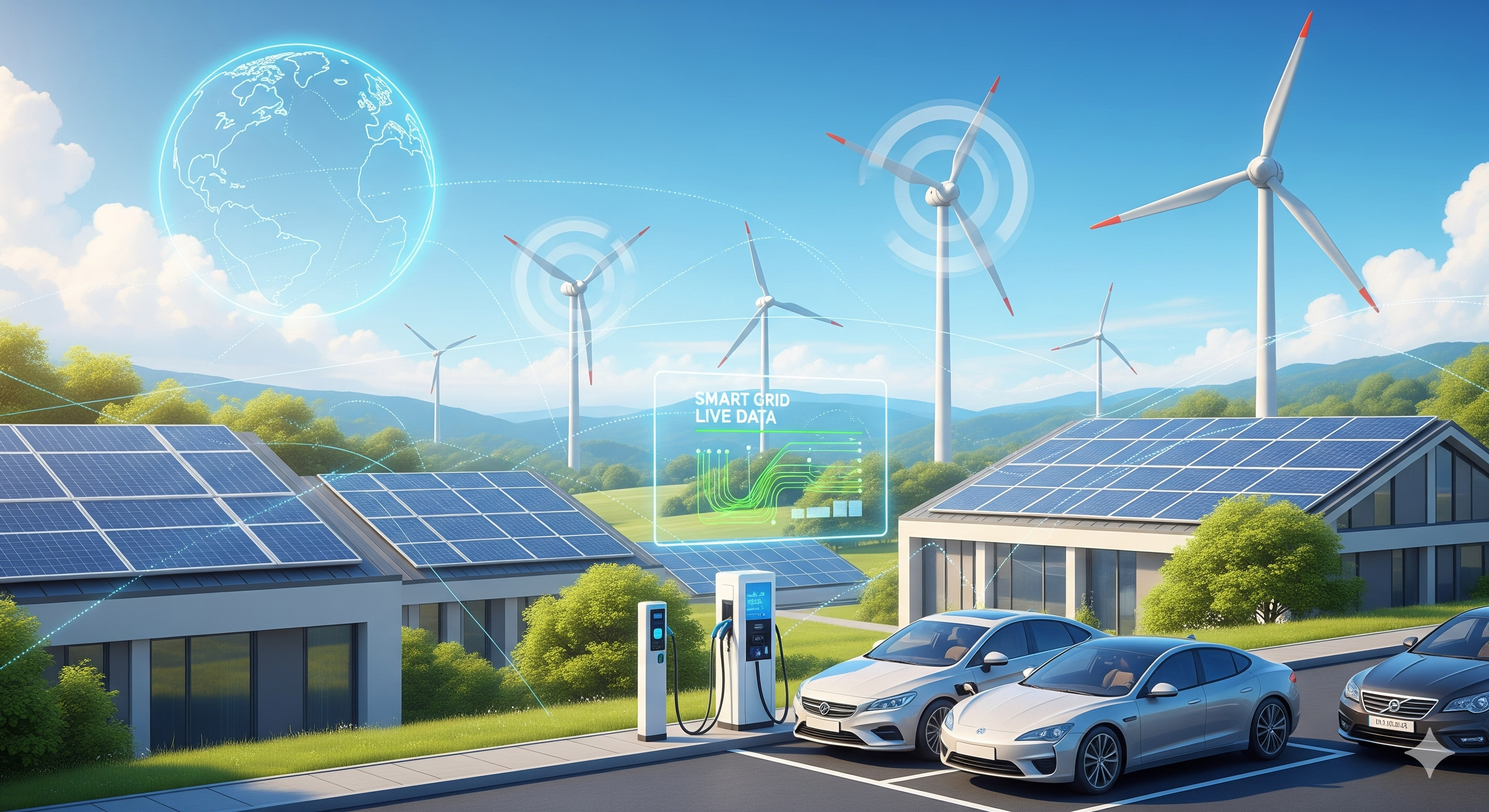

In a world facing climate crises, soaring energy costs, and uncertain supplies, Green Energy Technologies aren’t just the future; they’re the urgent solution. From rooftop solar panels to AI-driven smart grids, the green energy technologies revolution is reshaping how we power our planet. Meanwhile, as fossil fuels accelerate environmental damage and economic risks, cutting-edge green innovations offer hope, opportunity, and resilience.
Therefore, governments, businesses, and visionaries are racing to unlock technologies that slash emissions, boost efficiency, and transform industries. So, dive into this blog to discover the game-changing trends and breakthroughs driving the global technological shift to sustainable green energies in 2025 and beyond.
The Rise of Green Energy Technologies
Green energy technologies use natural resources like sunlight, wind, water, and plants to produce electricity and heat. Importantly, these technologies are designed to minimize environmental impact while maximizing efficiency and scalability, making them viable for both large-scale and decentralized applications.
Key Technologies Driving the Shift
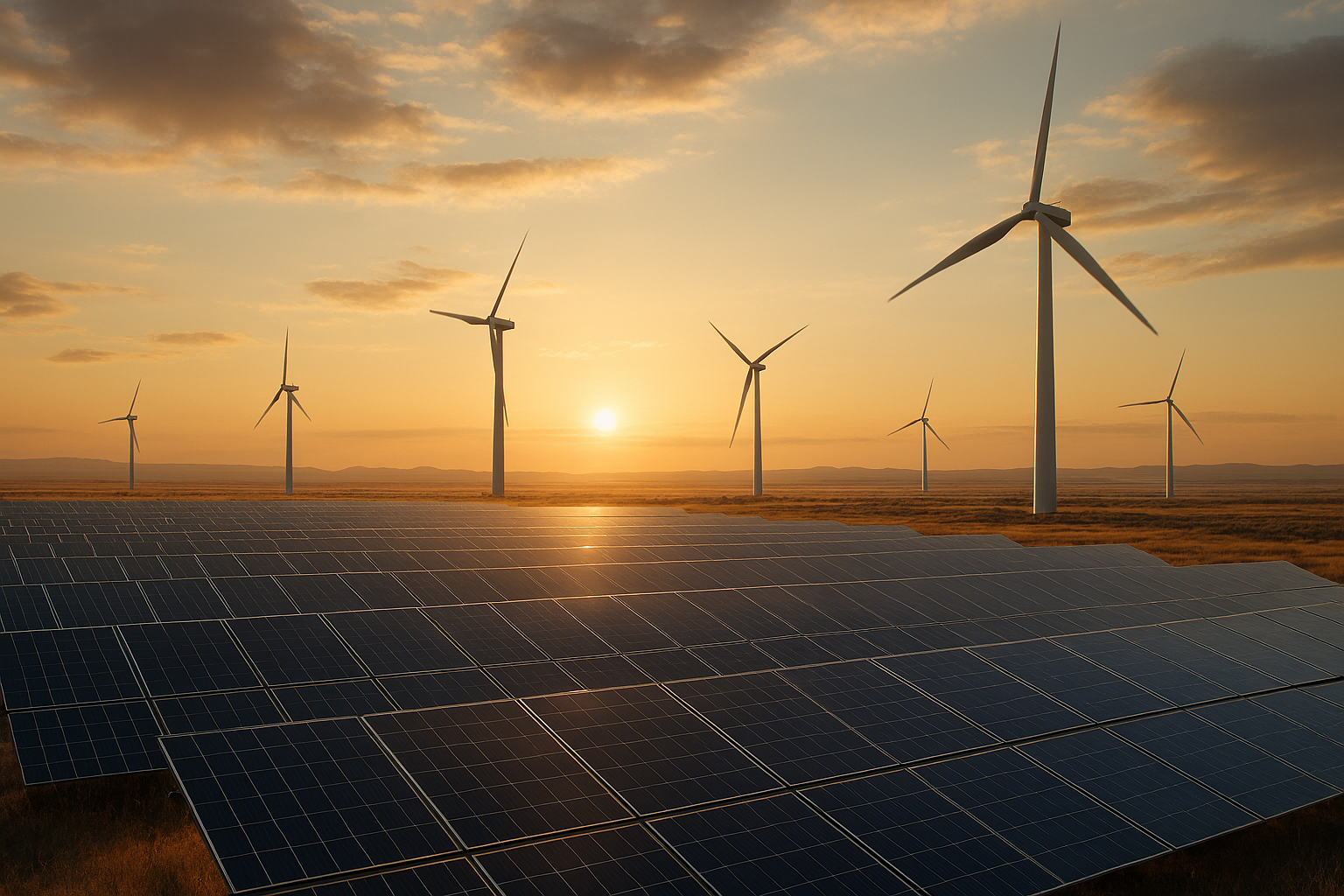
- Solar Photovoltaics (PV): One of the most widely adopted green energy technologies, PV systems are now cheaper, more efficient, and more flexible than ever. In addition, building-integrated photovoltaics and solar skins are making solar power better designed to fit and work smoothly within city layouts.
- Wind Turbines (Onshore & Offshore): Wind energy remains a leading force in the renewable energy mix, particularly in regions with consistent wind flow. Moreover, offshore wind farms are becoming more popular because they produce a lot of power and don’t take up valuable land space.
- Hydropower Systems: Although traditional large dams face environmental scrutiny, small-scale and run-of-the-river hydro systems are making hydropower more sustainable and community-focused. As a result, more local governments are considering micro-hydro options.
- Green Hydrogen Production: Produced through electrolysis powered by renewables, green hydrogen is emerging as a zero-emission fuel for heavy industries, shipping, and long-haul transport. Consequently, it is gaining strong policy support.
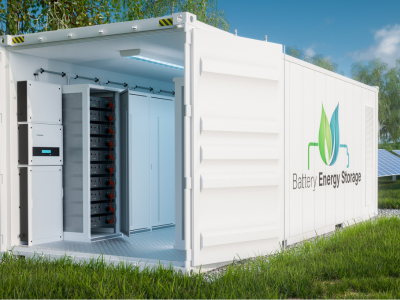
- Energy Storage Solutions: Storing energy well is key to handling the ups and downs of renewable power. Therefore, batteries, heat storage, and compressed air systems are improving to help with this.
- Smart Grids & AI Integration: AI and digital technologies are enabling more adaptive, efficient, and decentralized power management. Thus, utilities are becoming more responsive and reliable.
- Electric Vehicles (EVs) & Charging Infrastructure: Electric vehicles play a big role in cutting emissions from transportation. When combined with clean electricity, they become an important part of reaching zero carbon emissions.
Global Trends Shaping the Green Energy Technologies
1. Unprecedented Investment Surge
According to the World Economic Forum, global investment in green energy technologies is projected to reach $2.2 trillion in 2025. This amount covers major investments in renewable energy, energy storage, grid improvements, and cleaner fuels. Notably, China, the EU, and the US account for more than 80% of direct government spending, demonstrating a strong, policy-driven commitment to decarbonization.
Furthermore, institutional investors and climate-focused funds are also pouring capital into clean energy startups and infrastructure projects, fueling innovation and accelerating deployment.
2. Decentralized Energy Systems
Energy independence is becoming a reality for many communities through microgrids and localized energy networks. Decentralized energy systems are especially critical in remote, disaster-prone, or energy-insecure regions. In fact, these systems allow communities to manage their own power generation and storage, improving reliability and reducing transmission losses.
With that in mind, advancements in battery technology and affordable solar panels make decentralized systems more viable for both residential and commercial use.
3. AI and Digitalization
Artificial Intelligence is transforming the way energy is generated, stored, and consumed. For example:
- Predictive analytics optimize grid operation and maintenance.
- Smart EV charging adapts to user patterns and grid demand.
- AI-driven exploration accelerates biofuel and material research.
- Machine learning improves energy demand forecasting, helping utilities avoid blackouts and overproduction.
In response, Shell, Siemens, and other global energy giants are investing heavily in AI to enhance energy efficiency, lower costs, and scale clean solutions quickly.
4. Breakthroughs in Energy Storage
One of the biggest challenges for renewable energy is intermittency. However, recent innovations in energy storage are changing the game:
- Solid-state batteries promise higher energy density and faster charging.
- Flow batteries offer long-duration storage capabilities critical for industrial and grid-scale needs.
- Thermal and compressed air storage systems provide cost-effective alternatives for large-scale energy storage without relying on rare materials.
Therefore, these advances make renewable energy more reliable and scalable, addressing one of the final hurdles to full adoption.
Regional Spotlights
🇮🇳 India’s Green Energy Technologies Momentum
India has emerged as a global leader in the clean energy race with bold targets and robust policy support. For instance:
- Hydropower Expansion: The government aims to generate 31,000 MW of hydropower, backed by ?12,000 crore in funding.
- Solar Incentives: Generous financial assistance, ?2 million per megawatt, is being provided to incentivize solar parks and rooftop adoption.
- Green Hydrogen Push: Uttar Pradesh and other states are crafting comprehensive policies to encourage green hydrogen production and attract private investment.
- EV Deployment in Ayodhya: Tata Tigor EVs are being introduced under a zero-emission program, promoting local clean mobility and supporting the Make in India mission.
Consequently, India’s goal of achieving 500 GW of renewable energy capacity by 2030 seems ambitious yet achievable through continued public-private collaboration.
🇺🇸 United States: Federal Push for Clean Energy
The Biden-Harris Administration is advancing a multi-trillion-dollar clean energy agenda. Specifically:
- $20 Billion in Green Grants: Designed to mobilize private capital for community-led climate initiatives.
- Green Proving Ground Program: Evaluating 17 cutting-edge technologies across federal buildings.
- Infrastructure Investment: Over $97 billion allocated to carbon management, hydrogen development, smart grids, and high-efficiency buildings.
- EERE Innovation Programs: Fellowships and entrepreneurship labs are fostering the next generation of green entrepreneurs.
Overall, these efforts aim to decarbonize federal operations and position the US as a global leader in sustainable infrastructure.
🇪🇺 Europe’s Green Deal and CBAM
Europe continues to lead global climate action through ambitious legislation and innovation. For example:
- European Green Deal: A roadmap to climate neutrality by 2050, focused on wind, solar, and hydrogen.
- Carbon Border Adjustment Mechanism (CBAM): Imposes tariffs on carbon-heavy imports, incentivizing cleaner production.
- Offshore Wind Expansion: Aims to install 2,000 GW of offshore wind by mid-century.
Hence, these initiatives are reducing emissions and supporting technology development and job creation across the EU.
🇺🇳 UN’s Global Roadmap for Green Technologies
The United Nations is rallying global support for an inclusive green energy technologies transition. In particular:
- UNEP’s Climate Technology Report urges countries to triple renewables and double energy efficiency by 2030.
- UNCTAD’s Green Tech Report highlights a $9.5 trillion market potential but warns that developing countries risk being left behind.
Thus, the UN promotes digitalization, investment equity, and cross-border partnerships as vital to success.
What’s Next in Green Energy Technologies
As we look ahead, several emerging technologies and challenges will shape the next decade.
Technologies to Watch
- Perovskite Solar Cells: Low cost and high efficiency could revolutionize solar energy.
- Green Hydrogen: As production gets cheaper, its industrial role will expand.
- Carbon Capture and Storage (CCS): Especially crucial for heavy industries.
- Floating Solar Farms: Efficient and land-saving clean energy systems.
Challenges Ahead
- Supply Chain Constraints: Materials like rare earth metals remain a limiting factor.
- Policy Instability: Weak frameworks in developing countries slow down adoption.
- Grid Integration: Managing variable inputs requires smarter infrastructure.
- Workforce Readiness: More skilled labor is essential for sustained growth.
Conclusion: A Greener Tomorrow Starts Today
To sum up, Green Energy Technologies are not just tools; they are solutions. They’re reshaping economies, empowering communities, and helping the planet.
Therefore, governments, businesses, and individuals must keep driving this transformation. Whether by installing solar panels, supporting climate-forward policies, or investing in green tech, every step matters. In conclusion, the journey to a sustainable future is long, but with collective action, we can and must succeed.