
The tech world is witnessing a massive shift in how we power the future of computing, and the Oracle Bloom Energy deal is at the heart of it. As artificial intelligence continues to grow, the energy needed to keep these systems running has reached staggering levels. This new agreement shows that more tech companies are starting to manage their own power supply to keep things reliable and fast. By working with Bloom Energy, Oracle is doing more than just buying equipment. They are planning for a future where their data centers can run without relying on the busy electric grid. Experts have talked about the promise of sustainable power for a while, but this partnership makes it clear that winning in AI depends on energy just as much as on software.
This moment reflects a strategic shift where high-performance hardware serves as the primary engine for domestic efficiency and industrial innovation. In this blog, we look at the move toward local power generation and the rise of fuel cell technology in a world where computing demands keep growing. The key question is: what does the Oracle Bloom Energy deal mean for the future of global energy?
AI Demand Drives Need for Scalable Energy Infrastructure
As artificial intelligence grows, there is a clear need to expand domestic power capacity. Ongoing delays in traditional utility systems have led industry leaders to develop local energy generation to stay ready for new demands. This change highlights a sharp rise in power use, fueled by fast-moving advances in computing. As a result, major players are focusing on building sustainable and reliable infrastructure. These efforts help companies quickly set up new energy sources, keeping up with the fast-changing tech landscape and supporting long-term environmental goals and grid independence. By moving away from the limits of the traditional grid, organizations gain the flexibility needed for heavy processing tasks. This move toward independent, sustainable power marks an important step in managing national digital infrastructure and making sure resources meet the immediate needs of today’s technology.
Oracle Expands Partnership With Bloom Energy for Data Center Power
The recent news of the Oracle Bloom Energy deal expansion has sent ripples through both the tech and energy sectors. Oracle has officially contracted for 1.2 gigawatts of capacity, showing a massive commitment to on-site power generation. This capacity is essential for keeping Oracle cloud infrastructure running smoothly without relying on the local power grid, which can often be slow to upgrade. By using Bloom fuel cells for AI data centers, Oracle can set up its facilities much faster than competitors who are waiting for utility connections. This "plug and play" approach to power is becoming a major advantage in the competitive cloud market. It allows Oracle to meet customer needs across the United States with high-performance computing that is both reliable and efficient.
Deal Follows $400 Million Stock Warrant Issued to Oracle
Financial experts were quick to notice that this expanded Bloom Energy Oracle partnership came just days after a significant financial move. Oracle was issued a $400 million stock warrant to purchase millions of shares in the fuel cell maker. This Oracle investment in Bloom Energy shows that the software giant wants more than just a customer relationship; they want a stake in the company providing their power. By securing these shares at a set price, Oracle has already seen the value of its investment climb as the market reacts to the news. It is a strategic move that aligns the interests of both companies as they work toward a common goal of energy-efficient computing. This financial tie makes the partnership even stronger and signals long-term stability for both players.
Bloom Energy Stock Surges After Expanded Capacity Agreement
The market's reaction to the Bloom Energy stock news in 2026 was almost immediate and incredibly positive. After the details of the 1.2-gigawatt contract were released, we saw a massive Bloom Energy stock surge Oracle deal enthusiasts have been waiting for. Shares jumped significantly, reflecting investor confidence in fuel cell technology as a viable answer to the power crisis. Bloom Energy’s market value has reached new heights as they prove they can handle the massive AI data center energy demand Oracle and others are facing. For investors, this surge is a sign that clean, distributed energy is no longer a niche market but a core part of the global tech economy. The company’s ability to deliver power quickly, often within just 90 days, makes it a favorite for developers who need to scale fast.
Oracle Secures 1.2 Gigawatts to Support AI Data Center Growth
To put the size of this deal into perspective, the Bloom Energy gigawatt capacity Oracle has secured is enough to power hundreds of thousands of homes. However, in the world of high-end computing, this energy is destined for massive servers that process AI algorithms. Oracle eventually plans to procure up to 2.8 gigawatts in total, with the current phase expected to be finished by 2027. This massive amount of power is necessary to support AI-driven energy consumption, which is much higher than traditional web hosting. By securing this capacity now, Oracle is "future-proofing" its data centers against potential energy shortages. This ensures that their enterprise cloud infrastructure remains available and fast, even as the demand for AI services continues to skyrocket across the globe.
Fuel Cell Technology Gains Traction as an Alternative Power Solution
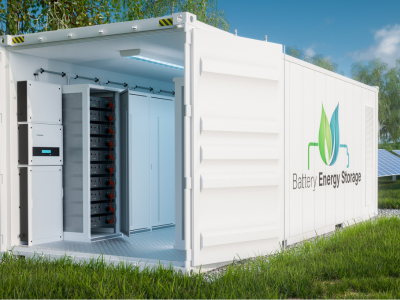
One of the most exciting parts of this story is the rise of fuel cell technology as a mainstream power source. Unlike traditional generators, these systems are quiet, efficient, and can be installed right next to the data center. This makes them a perfect alternative energy solution for urban areas or places where the local grid is already struggling. The cells work through a clean chemical process rather than burning fuel, making them a more sustainable data center solution. They offer grid-independent power systems that protect data centers from local blackouts or brownouts. Because they are modular, companies can add more fuel cells as their power needs grow, providing a truly scalable energy infrastructure. This technology is quickly becoming the "go-to" choice for any company that needs high-performance power without the long wait times of traditional infrastructure.
Partnership Highlights Shift Toward Reliable On-Site Power
The Oracle cloud infrastructure energy deal highlights a significant shift in how tech companies think about their "utility room." For a long time, companies simply plugged into the grid and paid the bill, but those days are ending. The move toward distributed energy systems allows companies like Oracle to act as their own power utility. This shift is driven by the need for high-performance computing energy that is both constant and clean. By having on-site power generation, Oracle reduces the risk of downtime and avoids the rising costs of traditional electricity. It also helps them meet their own sustainability goals while providing a better service to their cloud customers. This "factory-style" approach to building data centers is the new standard for the industry.
What This Deal Means for the Future of AI-Driven Energy
Looking ahead, the Oracle cloud energy expansion news suggests that we are just at the beginning of a massive energy overhaul. As AI-driven energy consumption becomes the norm, every major tech firm will need a strategy like the one Oracle has built with Bloom. We will likely see more alternative energy solutions being integrated directly into the design of new buildings. The future will likely see a move toward "energy-independent" data centers that produce and manage their own power. We can expect to see more distributed energy systems populating tech hubs across the U.S. to relieve pressure on the national grid. There will be a continuous focus on energy-efficient computing to ensure that we can keep innovating without damaging the environment. The Oracle Bloom Energy deal is a clear sign that the future of the internet will be powered by a mix of high-tech software and innovative, on-site energy solutions.