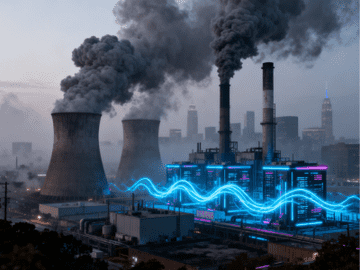

The AI boom clean air impact has become visible in St. Louis, where air quality hopes faded this year. Residents expected relief from pollution. Instead, new energy demands tied to artificial intelligence changed the path. As data centers expanded, clean air plans slowed, and coal plants kept running. St. Louis has long faced an air pollution crisis. Many neighborhoods already rank among the nation’s most polluted. For years, local groups pushed for stricter clean air rules. Those efforts gained momentum in 2024 with tougher soot emissions standards from federal regulators. The rules promised healthier air by 2027.
This optimism was abruptly halted by the year 2026 in February. The energy strategy of the Trump government took a different direction, and EPA regulations were revoked even before their implementation in an effort to cope with AI-fueled electricity generated through data centers. Thus, coal-fired power plants did not close down as expected. The people living in North St. Louis were alarmed by this turn of events. The environmental justice organizations pointed out the health hazards that could arise from this development. Areas where these regulations affect have predominantly African American communities, where pollution already causes high instances of asthma and heart disease.
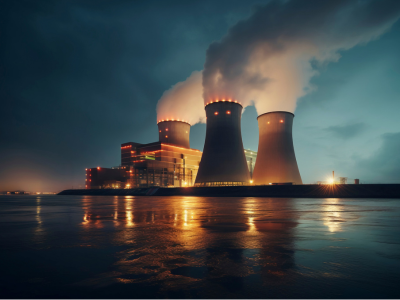
The Ameren Labadie Energy Center poses another serious issue. Situated in proximity to people’s homes, the plant is among the biggest emitters of pollution in the area. With regard to earlier regulations, the plant would have had significant emission reductions. The federal government explained its decision by emphasizing the need for reliable power. The Environmental Protection Agency said that avoiding grid stress is a top priority. Officials pointed out that growing infrastructure demands, especially from artificial intelligence, are a major challenge. AI systems require steady energy supplies around the clock.
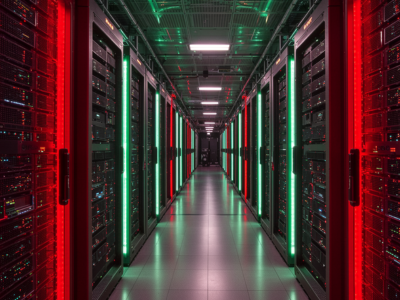
Data centers are using more energy across the country. Government estimates show that artificial intelligence could raise demand by as much as 50 gigawatts by 2030. This would be about four percent of the current total U.S. energy capacity. Because renewable energy projects are expanding slowly, the country is relying more on fossil fuels. Coal power plants are closing at a much slower rate than before. Ten years ago, many plants were shutting down quickly, but recent emergencies have kept them running. This change in policy has raised concerns among health groups and environmentalists.
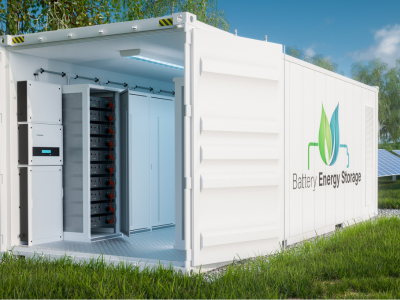
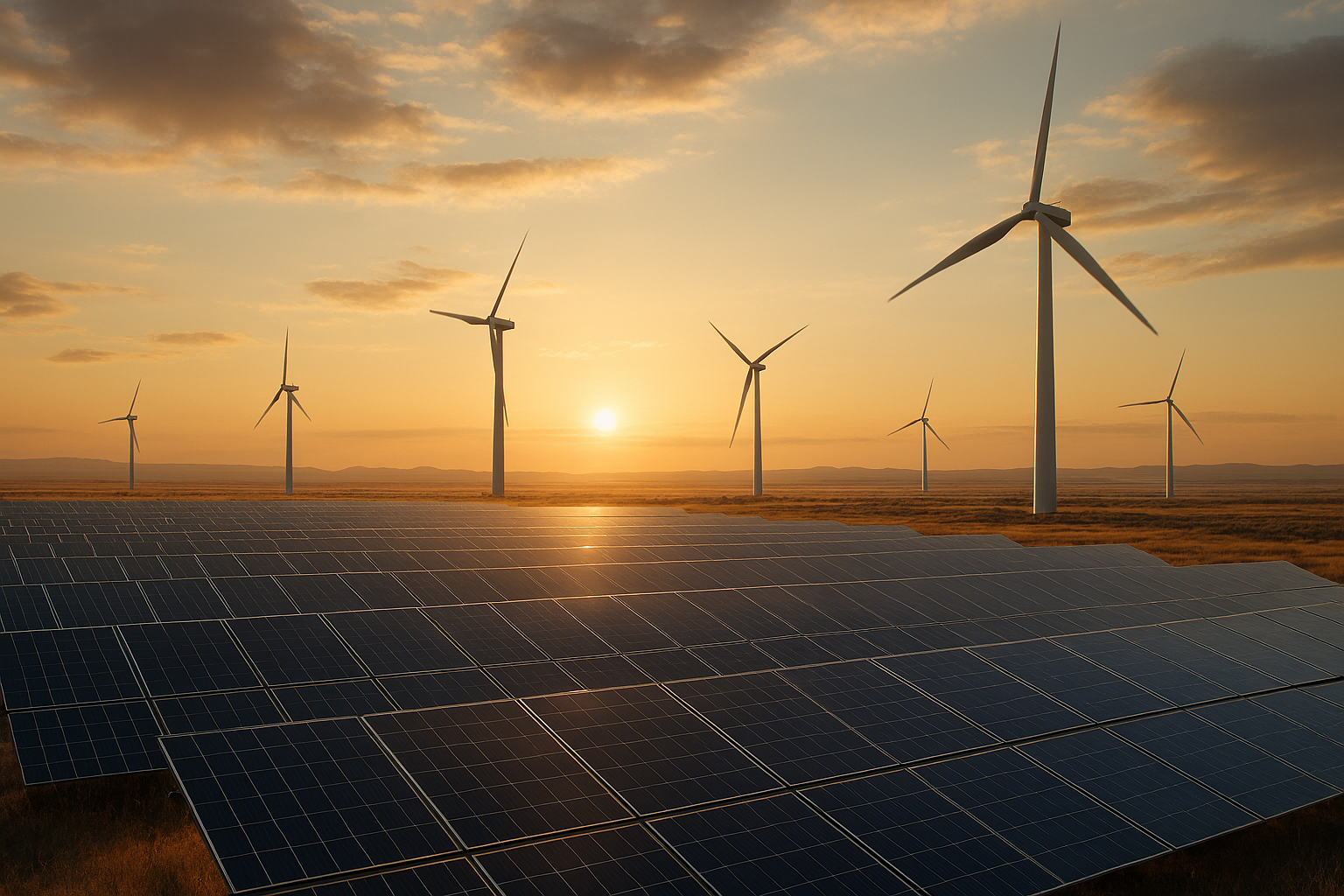
There is still strong demand for renewable energy. Solar and wind projects have been delayed by permitting problems and grid limitations. Even with these setbacks, energy companies have changed their long-term plans. Many are now making renewable energy a top investment priority. Midway through this debate, the renewable energy market shows signs of expansion. Developers push battery storage and grid upgrades nationwide. Some states now offer incentives for cleaner power linked to data centers. Those moves could ease the increase in carbon emissions over time.
Still, activists say progress feels too slow. Environmental activism groups argue that coal offsets clean power gains. They also highlight regional gaps in investment. St. Louis lags behind coastal hubs in attracting green infrastructure funding. Local leaders call for fairer energy planning. The public health impact remains central to the debate. Doctors warn that soot exposure worsens lung conditions. Children and elderly residents face higher risks. Health costs rise as air quality declines. Community members link pollution directly to everyday life struggles.
People across the U.S. may notice indirect effects. When electricity demand goes up, utility bills can rise. The power grid could become strained, leading to outages during busy times. Progress toward clean air goals may also slow down for consumers. Meanwhile, the shift in U.S. energy is getting more complicated. Leaders are trying to balance jobs, new technology, and climate concerns. People who support coal say it brings stability, while critics warn about long-term damage and slowing progress. Experts believe the rise of AI and its effect on clean air marks a turning point. Decisions made today will affect cities for years to come. In St. Louis, many feel that cleaner air is still out of reach, but they keep working for change and hope that policies can improve.