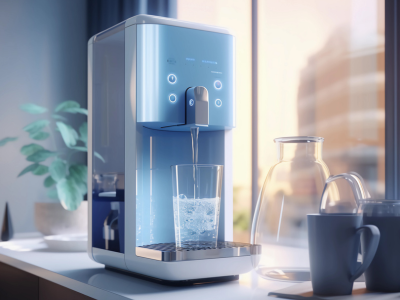

The landscape of domestic hydration has undergone a radical transformation over the past decade. Previously, a simple manual lever was the global standard for accessing clean water. However, the modern household now demands a higher level of sophistication, safety, and efficiency. We are currently witnessing a pivotal shift in the smart water dispensers market. This evolution moves beyond simple filtration toward fully integrated, intelligent ecosystems. Today, the transition from touchless sensors to voice-activated interfaces represents the pinnacle of convenience and hygiene.
The Rise of Modern Hydration Technology
In the early 2020s, the world prioritized hygiene like never before. This global health consciousness accelerated the adoption of touchless technology. Infrared sensors became the primary method for dispensing water without physical contact. This innovation significantly reduced the risk of cross-contamination in shared spaces and private homes. While touchless systems provided a massive leap forward, they were only the beginning.
As we move through 2026, the global market for smart water dispensers is expanding rapidly. Leading manufacturers are now integrating advanced artificial intelligence and Internet of Things (IoT) capabilities. These features allow homeowners to monitor water quality in real-time. Modern units can even track individual hydration goals. Consumers are no longer looking for a basic appliance; they seek a comprehensive wellness partner.
Understanding the Voice-Activated Revolution
The most significant recent advancement is the integration of voice-controlled technology. Voice activation offers a level of accessibility that touchless sensors cannot match. Users can now request specific volumes or temperatures through simple vocal commands. Imagine asking your dispenser for exactly one liter of chilled water while your hands are busy. This hands-free operation streamlines kitchen tasks and improves overall efficiency.
Furthermore, smart water dispensers with voice recognition provide essential support for older people. Individuals with limited mobility or visual impairments gain newfound independence with these systems. These devices often integrate with existing home ecosystems like Amazon Alexa or Google Assistant. Such compatibility ensures that your hydration station is a seamless part of your smart home network.
Global Market Trends and Consumer Demand
The demand for high-tech hydration solutions is a worldwide phenomenon. In North America, the market is driven by a desire for luxury and seamless integration. Conversely, in the Asia-Pacific region, rapid urbanization and health concerns are the primary catalysts. Recent data suggests the global household water dispenser market will reach billions in valuation by the end of the decade. This growth highlights a fundamental change in how people value water quality.
- North America: High adoption of built-in, bottle-less units.
- Europe: Strong focus on sustainability and reducing plastic waste.
- Asia-Pacific: Rapid growth in the Point-of-Use (POU) segment.
- Middle East: Increased demand for units with high-capacity cooling.
Sustainability remains a core pillar of the smart water dispensers industry. By utilizing bottle-less systems, households can eliminate thousands of single-use plastic bottles annually. This eco-friendly approach resonates with the modern, environmentally conscious consumer. Consequently, manufacturers are prioritizing energy-efficient compressors and recyclable materials in their latest designs. Hence, these factors have led to the growth of the market at a CAGR of 5.5%.
Advanced Filtration: The Core of Intelligence
While the interface has evolved, the core mission remains the same: purity. Next-generation smart water dispensers utilize multi-stage filtration processes. These systems often include Reverse Osmosis (RO), Ultra-Filtration (UF), and UV-C LED sterilization. This combination ensures that the water is free from heavy metals, microplastics, and pathogens.
What makes these units truly smart is their ability to self-diagnose. Modern sensors can detect when a filter is losing its efficacy. The device then sends a notification directly to the user's smartphone via a dedicated app. Some premium models even have an auto-replenishment feature. They can order replacement filters automatically before the current ones expire. This proactive maintenance ensures that your family always has access to the highest quality water.
The Economic Benefit of Upgrading
Investing in a high-end water system offers long-term financial advantages. While the initial cost of smart water dispensers may be higher, the operational savings are substantial. Bottled water delivery is expensive and requires significant storage space. A plumbed-in smart system provides an endless supply of purified water at a fraction of the cost per liter.
Additionally, these devices add tangible value to a modern home. Prospective buyers frequently look for integrated smart appliances that promote a healthy lifestyle. A voice-activated dispenser is a standout feature in any high-end kitchen renovation. It demonstrates a commitment to both technology and wellness.
Why Every Household Needs a Smart Dispenser
The benefits of upgrading to a smart hydration system extend far beyond simple convenience. These machines encourage better habits by making water more accessible and enjoyable. Customizable temperature settings mean you can have the perfect glass of ice-cold water or a cup of hot tea instantly.
- Enhanced Hygiene: No physical contact means fewer germs are spread.
- Precise Control: Voice commands allow for exact measurements, reducing water waste.
- Real-Time Monitoring: Stay informed about your water's TDS levels and filter health.
- Sleek Aesthetics: Modern designs complement the minimalist style of contemporary homes.
By choosing smart water dispensers, you are investing in the health of your household. The ability to monitor consumption patterns helps ensure that everyone stays properly hydrated throughout the day. This data-driven approach to health is a hallmark of the next generation of home appliances.
Overcoming Challenges and Looking Ahead
The transition to voice-activated systems is not without its hurdles. Manufacturers must ensure that voice recognition is accurate across different accents and languages. There are also valid concerns regarding privacy and data security in connected devices. However, industry leaders are implementing robust encryption protocols to protect user information.
As we look toward the future, we can expect even more personalization. Future smart water dispensers might use facial recognition to identify a user. They could then automatically dispense water at that person's preferred temperature and volume. The integration of mineral infusion technology is also on the horizon. This would allow users to design their water by adding specific electrolytes or flavors.
Final Thoughts on the Future of Water
The evolution from manual taps to smart water dispensers is a testament to human ingenuity. We have moved from basic utility to a sophisticated intersection of health, tech, and sustainability. These devices are no longer a luxury for the few; they are becoming an essential component of the modern home. The global shift toward these advanced systems is undeniable. Whether it is through touchless sensors or intuitive voice commands, the goal is clear. We want a safer, easier, and more sustainable way to hydrate. By embracing this technology, we take a significant step toward a healthier and more efficient lifestyle.