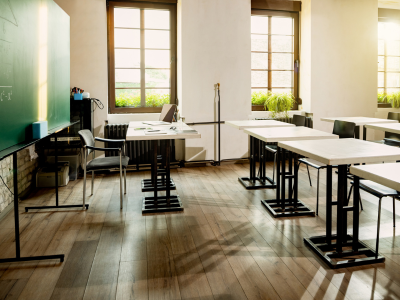

The global education landscape is currently witnessing a significant architectural shift. Urbanization and rising student enrollments have led to a premium on physical space within educational institutions. Modern schools now face the challenge of fostering innovation within compact environments. Consequently, the demand for strategic classroom furniture has reached an unprecedented peak. Research suggests the global school furniture market will exceed US$ 10.64 billion by 2034. This growth reflects a universal move toward versatile and ergonomic learning environments. Educational leaders must now view furniture not as static objects, but as dynamic tools for academic success.
The Evolution of the Modern Learning Environment
Traditional classrooms often featured heavy, wooden desks bolted to the floor in rigid rows. However, modern pedagogy emphasizes collaboration, movement, and technology integration. This shift requires a new approach to how we furnish our schools. In high-density regions like Asia-Pacific and Europe, administrators are reimagining the School Furniture market. This term encompasses the holistic procurement of durable, multi-functional items that feed the school's operational needs. From dining halls to libraries, every piece must justify its footprint through multiple uses. By choosing the right classroom furniture, schools can transform restricted square footage into a hub of creativity.
Prioritizing Flexibility with Modular Designs
The cornerstone of any space-saving strategy is modularity. Modular units allow teachers to reconfigure a room in seconds to suit different lesson plans. For example, trapezoidal tables can form a large circle for group discussions. Conversely, these same tables can be separated for individual testing. This adaptability is crucial for schools that lack the luxury of dedicated breakout rooms.
Modern classroom furniture designs often incorporate lightweight materials like high-grade polymers and recycled aluminum. These materials ensure that even younger students can safely move their own desks. When students control their environment, they feel a greater sense of ownership. This agency directly correlates with higher engagement levels and better behavioral outcomes.
The Power of Vertical and Foldable Solutions
When floor space is limited, the only direction left to go is up. Vertical storage solutions are essential for maintaining an organized and calm learning atmosphere. Tall, narrow shelving units provide ample space for books and supplies without encroaching on walkways. Furthermore, many modern cabinets now feature magnetic or whiteboard-grade backing. This turns a simple storage unit into an interactive teaching tool.
Folding technology has also revolutionized the school canteen and multipurpose hall. In the context of the school furniture market, folding dining tables are indispensable. These units can fold up to 80% of their size when not in use. Many designs feature integrated seating, which eliminates the need for separate chair storage. This allows a cafeteria to transform into a gymnasium or assembly hall within minutes. Such efficiency maximizes the return on investment for every square meter of the facility.
Mobility: Putting Learning on Wheels
Castors and wheels are no longer reserved for office chairs. In the modern classroom, everything from bookshelves to teacher workstations should be mobile. Lockable wheels provide the stability needed for work while allowing for effortless transitions.
- Mobile Storage Carts: These serve as rolling stations for art supplies or STEM kits.
- Agile Whiteboards: Rolling boards can act as temporary room dividers to create quiet study nooks.
- Portable Charging Hubs: As digital learning expands, mobile power towers ensure devices stay charged anywhere in the room.
By utilizing mobile classroom furniture, schools avoid the dead zones created by fixed installations. Teachers can push everything to the perimeter to create an open floor for physical activities. This fluidity is essential for holistic child development in urban school settings.
Ergonomics and Student Well-being
Space-saving does not mean sacrificing comfort. In fact, modern compact furniture often boasts superior ergonomic features. Height-adjustable desks are a prime example of this trend. They cater to students of different sizes within the same room. These desks also support standing learning, which can improve circulation and focus.
The global market now prioritizes the Comfort Connection. Ergonomic classroom furniture reduces physical strain and long-term postural issues. When students are physically comfortable, their cognitive load is dedicated entirely to learning. Therefore, investing in quality seating is a strategic move for any forward-thinking institution.
Sustainable Choices for a Global Future
Sustainability is a key driver in the current furniture market. Modern schools are increasingly opting for eco-friendly materials such as sustainably sourced wood and recycled plastics. These materials are not only better for the planet but are also remarkably durable.
The School Furniture market emphasizes a buy once, buy well philosophy. Durable furniture reduces the frequency of replacements, which is both cost-effective and environmentally responsible. Many manufacturers now offer cradle-to-grave certified products. These items can be fully recycled at the end of their long lifespans. By choosing sustainable classroom furniture, schools model responsible global citizenship for their students.
Technology Integration in Compact Spaces
As we look toward the 2026 academic year, technology remains a dominant force. Modern classroom furniture must accommodate laptops, tablets, and interactive displays without creating cable clutter. Integrated wire management systems are now a standard requirement.
Some innovative desks feature flip-up screens that hide the technology when it is not needed. This allows the desk to revert to a traditional writing surface instantly. In the broader School Furniture market, tech-ready furniture ensures that the infrastructure supports digital equity. Every student deserves access to a powered and connected workspace, regardless of the room's size.
Creating Big Ideas in Small Spaces
The physical environment serves as the third teacher in the classroom. A cluttered, cramped room can stifle imagination and increase stress levels. Conversely, a well-organized, flexible space invites curiosity. By implementing these space-saving hacks, schools prove that size is not a barrier to excellence.
Modern classroom furniture empowers educators to move away from the lecture model. It facilitates project-based learning and social-emotional growth. When the furniture works with the teacher, rather than against them, the innovation potential is limitless.
Conclusion: Investing in the Future of Education
Small classrooms represent a unique opportunity to innovate. By leveraging the latest trends in the school furniture market, schools can achieve more with less. The key lies in selecting high-quality, versatile, and ergonomic classroom furniture. These investments pay dividends in student health, engagement, and academic performance. As we navigate the complexities of 21st-century education, our physical spaces must reflect our high aspirations. Let us build classrooms where every inch is dedicated to the big ideas of tomorrow.