
From toy aisles to TikTok, character franchises shape childhood taste. They also shape the beauty play category. Around the world, entertainment IP now powers a vibrant corner of kids’ makeup. Parents look for safe fun. Brands seek trust and instant recognition. Children want color, sparkle, and play. When these forces align, magic happens at the vanity and in the market.
This blog explores how licensed characters leap from screens to swatches. We will cover design, safety, culture, and ethics. We will also look at regional twists and future tech. The tone is light, yet the insights are serious. Let’s begin with why characters matter so much.
Why Characters Work: Trust, Story, and Safe Play
Characters reduce decision friction. Parents recognize familiar faces and feel reassured. Moreover, character IP carries built-in storytelling. Children bring each story to product play. That creates longer engagement and repeat use. As a result, kids’ makeup becomes more than color. It becomes a narrative prop for pretend play and creativity.
Additionally, character partnerships guide design guardrails. Peppa Pig signals soft pinks, peaches, and cheerful packaging. Disney princesses suggest shimmer, gloss, and classic hues. Anime partners inspire vivid pigment and kawaii details. Each world helps translate “grown-up” beauty cues into child-appropriate play.
However, trust hinges on product safety. The best brands pair charming IP with rigorous standards. Parents now scan for non-toxic claims, tested formulas, and gentle removability. They want delight with dermatological common sense. The winners deliver both without compromise.
Safety First, Still Fun: What Parents Expect
Parents want to say yes with confidence. Therefore, kids’ makeup leaders build safety into every step. They lean on lighter pigments, fragrance moderation, and patch‑test guidance. They also emphasize easy removal with water or mild cleansers. Some go further with vegan claims and allergy awareness. Clear labels help busy families. Ingredient simplification and icons improve trust. So do certifications, child-safe applicators, and shelf-stable formulas. Many brands also guide usage with age-appropriate tips. That keeps play imaginative, not performative.
Finally, retailers curate for reassurance. Family-focused chains often request safety summaries. They may even co-create standards for character collaborations. As a result, licensed launches align with parent expectations from day one.
How Licensing Shapes Product Roadmaps
Licensing is a creative puzzle. Brand teams balance IP rules, color accuracy, and play value. They also fit timelines around seasonal drops and media releases. In practice, that means early prototypes and many approvals. The best teams treat licensors as creative partners, not gatekeepers. Consider a simple lip gloss. The hue must match a dress, shell, or cape. The cap may mimic a crown. The flavor cannot conflict with brand rules. The claims must suit young users. Even display stands require alignment with style guides. Complex? Yes. Yet the outcome looks seamless and joyful.
Because licensing spans many regions, global consistency matters. However, teams adapt to local preferences. Shade mixes and artwork shift slightly for cultural nuance. This flexible consistency keeps the character universal but not uniform.
Design Systems for Young Users
Great kids’ makeup design solves practical problems. Tiny hands need ergonomic shapes. Short wands improve precision. Soft domes help dab color without mess. Magnets should never be small or loose. Hinges must tolerate drops. These choices keep play safe and satisfying.
Moreover, color stories should encourage success. Buildable formulas avoid clownish accidents. Sheer base layers let kids layer and learn. Clear removal instructions prevent frustration and residue. Parents appreciate concise cleanup almost as much as cute. Accessibility also matters. Easy-open clasps help different abilities. Legible icons support early readers. Textures guide touch. That thoughtful inclusivity turns a toy into a friend.
The Role of Social Media and “Mini Creators”
Children see characters on streaming platforms and short-form video. They also see wholesome creators unbox and test. When creators focus on safe play, parents relax. They learn how to guide their child’s routines. They also discover brands that respect age‑appropriateness.
However, responsibility is key. Content should center on creativity and craft. It should not emulate adult beauty tropes. Simple looks, story-based play, and clean removal win trust. Families reward brands that set that tone. Over time, these micro‑moments drive sustained demand.
Retail Journeys: From Toy Aisles to Beauty Endcaps
Where should kids’ makeup live in stores? The answer is mixed. Toy aisles capture play budgets and holiday lists. Beauty endcaps deliver discovery for older siblings. Gift zones capture birthdays and celebrations. Many retailers blend these touchpoints by season.
Online, filters and safety badges improve speed to cart. Parents sort by character, age guidance, and ingredient claims. They also search bundles for party favors. Strong content and clear FAQs reduce returns. Meanwhile, licensed imagery boosts click-through and delight.
Pricing, Value, and the Gift Economy
Character licensing raises costs, yet it adds value. Families often buy kids’ makeup as gifts. Therefore, cute cases and keepsake tins justify price tiers. Refill options also appear in eco-minded markets. That choice supports sustainability while preserving the collectible shell. Bundles appeal everywhere. Children enjoy small surprises across many items. Parents see better value per piece.
Meanwhile, characters unify the set with a single story. It feels generous and coherent. Amidst these, the global market for Kids’ cosmetics is growing at a 7% CAGR.
Ethics and Age‑Appropriate Boundaries
With children, ethics lead. Brands should avoid adult beauty cues and social pressure. They should center creativity and pretend play. Packaging and messaging must frame makeup as art tools. Not status tools. Not appearance expectations.
Additionally, privacy and advertising practices deserve care. Brands and retailers should respect regulations and family boundaries. Trust builds slowly and breaks quickly. Respect keeps the category wholesome and resilient.
Sustainability, Simplified
Sustainability is rising in family decisions. Sturdy, reusable cases reduce waste and feel premium. Recyclable trays and minimal plastic win points. Clear end-of-life instructions help parents act. Water-based colors and gentle removers also resonate.
However, sustainability must stay simple. Families do not want extra work. Therefore, design choices should make the better choice the easy choice when character partners embrace this, progress scales.
Future Trends: AR Play, Co-Creation, and Collectibles
The next chapter blends digital and physical. AR try-ons can gamify shade exploration. Parents can preview looks without product waste. Children can earn badges for cleanup and skin care. That turns responsibility into a game. Co-creation is coming too. Brands may invite children to vote on shades or stickers. Limited drops could align with series arcs or movie releases. Collectible packaging will evolve like trading cards. Seasonal swaps keep play fresh without clutter.
Finally, sensorial innovation will expand. Think jelly tints with soft sparkle. Think peel‑off shadows with minimal residue. Think glosses with plush applicators and gentle scents. All designed for kids’ makeup, not minis of adult lines.
Closing Thoughts: Playful, Safe, and Story‑Powered
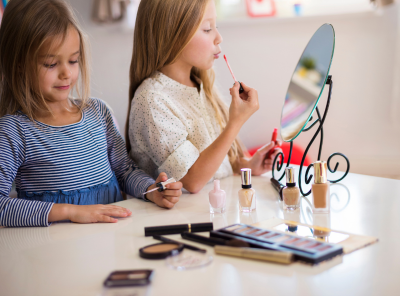
Characters turn everyday items into adventures. When beauty becomes a canvas, children paint their worlds. Peppa Pig leads a panto parade. Disney glosses sparkle under bedroom lights. Anime-themed sets march across pastel clouds. Through it all, parents see safe fun and tidy cleanup. The most successful kids’ makeup lines remember one truth. Childhood beauty play is not adult beauty lite. It is a crafts class with color. It is a theater with glitter. It is identity rehearsal in the friendliest mirror. When brands honor that spirit, the market smiles back.
As entertainment IP keeps evolving, so will these products. Yet the mission remains stable. Keep play joyful. Keep formulas gentle. Keep stories true. And let characters guide small hands toward big imagination.