Pop culture does not just mirror beauty. It moves it. One season of a buzzy show or one blockbuster film can flip the script on our makeup bags. As a result, Pop culture eye makeup trends now travel faster than any press release. They leap from screen to social feeds to shelves within days. This blog explores how TV and film fuel global eye makeup behavior. It also shows how brands, artists, and consumers ride those waves—sometimes overnight.
From Screens to Sephora: How Trends Now Move
Streaming changed more than content. It shifted speed. With global releases, one striking eyeliner look can go viral in hours. Then, creators replicate it, hashtags organize it, and retailers stock it. Consequently, Pop culture eye makeup trends jump borders and demographics with ease. The path is simple yet potent. First, a character debuts a look. Then, fans screenshot, stitch tutorials, and remix. Finally, brands launch collabs or limited editions. Because the cycle is fast, timing is everything. However, great execution still wins.
Euphoria: The Glitter That Launched a Thousand Liners
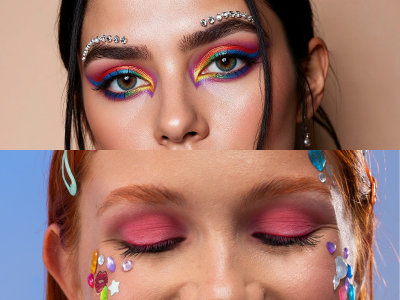
“Euphoria” made eye makeup a storyline. It wrapped emotions in rhinestones, pastels, and graphic lines. The result was cultural impact. Teen and adult audiences engaged with creative eye looks. Therefore, artistry left the runway and entered daily life. The show’s influence felt global. Tutorials flooded TikTok and YouTube. Retailers sold out of gems, neon liners, and sticky adhesives. Yet the power was not just a sparkle. It was narrative. Makeup expressed identity, tension, and courage. Naturally, Pop culture eye makeup trends evolved alongside character arcs.
Brands adjusted quickly. They expanded color ranges and hybrid textures. Moreover, they embraced waterproof formulas and long-wear gels. After all, bold designs need performance. The “Euphoria effect” normalized experimental beauty. It also gave an edge to mainstream catalogs.
Barbiecore: A Pink-Toned, Hyper-Feminine Renaissance
“Barbiecore” did more than tint the internet pink. It reframed hyper-feminine aesthetics as celebratory, ironic, and fun. Eyes followed suit with shimmering pinks, soft lashes, and glossy lids. Consequently, even minimalists tried a subtle rosy glow. This aesthetic had a surprising range. It worked with youthful trends and corporate looks alike. Therefore, Pop culture eye makeup trends expanded beyond age brackets. Pastel liners, light-reflecting toppers, and soft-focus mascaras gained appeal. The mood felt joyful, nostalgic, and highly shareable.
Retail also shifted. Window displays leaned pink—limited palettes launched with bubblegum themes. Crucially, formulations improved. Comfortable glitters and skin-safe adhesives became standard. Consumers demanded both safety and flair. So, brands delivered.
K-Drama, K-Pop, and the Global Soft Eye
Not every movement arrives with sparkles. Korean dramas and K-pop cemented global love for soft, precise eyes. This look centers on gradient shadows, clean lines, and lens-like shine. It uses subtle shimmer and airy mascara. Often, it includes the aegyo-sal effect under the lower lash. This aesthetic travels well. It flatters many eye shapes and skin tones. Because it reads polished yet gentle, it suits the office and weekend alike. Thus, Pop culture eye makeup trends gained a versatile anchor. It also pushed innovation in micro-brush wands and tubing mascaras.
Brands learned from K-beauty’s science-first approach. They invested in smudge-resistant formulas, friction-fit packaging, and sensitive-skin testing. With that, the soft eye gained stamina and elegance.
Fantasy Franchises: Metallics, Smoke, and Myth
Blockbuster fantasy worlds keep inspiring dramatic eyes. Think gemstone metallics, elongated wings, and moody smoke. Fans love to cosplay and edit looks for everyday wear. Therefore, jewel tones and holographic toppers stay evergreen. This realm also drives tool innovation. Angled brushes, precision stamps, and magnetized lashes rose in popularity. Over time, these tools made complex looks more accessible. As a result, Pop culture eye makeup trends widened their entry points for novices.
Eco design also crept in. Refillable pans and aluminum palettes cut plastic. Mineral pigments improved stability and payoff. Consumers noticed, and they rewarded better design with loyalty.
Nostalgia Reboots: The Y2K and 90s Bounce-Back
Reboots revived thin brows, frosted lids, and cool-toned smoke. Yet, modern formulas updated the vibe. Today’s frosts shine without chalkiness. Smudgers blend without fallout. Importantly, skin-safe mica and vegan waxes replaced older materials. Nostalgia works because it balances memory with modernity. Fans love a wink, not a copy. So, brands reimagined classics with skincare benefits. Eye serums merged with mascaras. Primers gained peptides. Hence, Pop culture eye makeup trends now include wellness claims.
Additionally, packaging reflects heritage. Retro fonts meet sleek mechanics. It feels familiar yet new. This balance fuels repeat purchases and social buzz.
Beauty on Short-Form Video: Trends at Hyper-Speed
TikTok and Reels turned eye makeup into snackable theatre. Challenges accelerate adoption. Cuts show transformation quickly. Because content is short, clarity matters. Therefore, high-contrast looks spread faster. Creators play a key role. They test combinations, debunk hacks, and link products. Retailers watch and react. When a look surges, they re-order and promote. Consequently, Pop culture eye makeup trends now follow creator calendars as much as release calendars.
The algorithm favors novelty. So, micro-trends appear weekly. Not all stick. However, the best looks combine comfort, identity, and camera appeal. Those endure past the scroll.
Inclusivity: Eyes That Tell Every Story
Representation drives adoption. Diverse casts with diverse artistry normalize a broader palette. Deep mattes, reflective metallics, and flexible liners become essential. As a result, shade ranges expand, and testers diversify. Accessibility also progressed. Clear labeling and allergen callouts help sensitive users. Ophthalmologist-tested claims matter for contact lens wearers. When safety, comfort, and style align, loyalty grows. In turn, Pop culture eye makeup trends reach wider audiences.
Brands that collaborate with artists of various backgrounds gain credibility. They also gain ideas. Cross-cultural motifs—like kohl-rich drama and jewel brights—enrich global assortments.
Sustainability: Glam with a Lighter Footprint
The eye area is sensitive. Therefore, consumers expect clean standards. Packaging sees the biggest shift. Refillable liners and aluminium mascaras reduce waste. Post-consumer resin enters caps and wands. Formulators rework glitters to meet microplastic concerns. Biodegradable shimmer rises. Waterless cakes and balms cut weight and emissions. Naturally, Pop culture eye makeup trends start to reflect eco values. A look gains bonus points if it is planet-friendly.
Education helps. Clear disposal tips and take-back programs boost trust when brands explain the why, customers support the how.
The Retail Theater: Try-On Goes Phygital
AR try-on moved from gimmick to utility. It reduces guesswork and returns. Shoppers test bold looks safely and quickly. In-store mirrors now sync with mobile apps. Consequently, discovery feels playful and guided. Bundles also shifted. Retailers curate sets by character, mood, or scene. Shoppers buy a ready look, not just a color. Because curation lowers friction, adoption rises. Thus, Pop culture eye makeup trends convert to baskets with fewer clicks.
Pop-ups add spark. Limited installations let fans recreate iconic scenes. Photos drive social traffic, which drives sales. The loop closes neatly.
Formulas That Keep Up: Tech Inside the Tube
Performance under lights and lenses is crucial. Long-wear gels and heat-stable waxes prevent transfer. Tubing mascara creates clean removal without rubbing. Skin-caring pigments reduce irritation. Over time, pro-grade tech became mainstream. Hybridization continues. Eye serums pair with shadow bases. Peptides support lashes under mascara. Blue-light filters enter shimmer toppers. As a result, Pop culture eye makeup trends gain daily usability. People wear them beyond parties and premieres.
Packaging mirrors function. Click-pen liners deliver precision. Micro-bristle wands coat inner lashes. Magnetic closures prevent dry-out. Good engineering now equals good makeup.
Regional Notes: One Trend, Many Translations
A global hit does not look the same everywhere. Climate, culture, and workplace norms shape adoption. In humid regions, tubing mascaras dominate. In dry climates, balmy creams win. Therefore, shade and texture sets should localize. Retail timing also varies. Festive seasons shift emphasis. In South Asia, bold metallics spike during weddings. In East Asia, subtle shimmer sells during graduation season. As Pop culture eye makeup trends spread, smart brands tune the dial by market.
Finally, price points matter. Entry minis let new users test looks. Premium kits serve collectors. Both camps share content, so both deserve focus.
The Big Picture: Stories First, Then Sales
In beauty, story is the real primer. When a character’s eyes tell a tale, we listen. Then, we try it on. As the media keeps globalizing, looks will travel even faster. Accordingly, Pop culture eye makeup trends will keep shaping product pipelines, retail formats, and skill sets. Still, the best trends have heart. They express identity, joy, or rebellion. They also respect skin and the planet. When those boxes are checked, a trend becomes a habit. And habits build markets.
From “Euphoria” to Barbiecore and beyond, the message is clear. Eyes remain our most expressive canvas. With smart tech, thoughtful design, and cultural sensitivity, that canvas stays inclusive and fun. Tomorrow’s breakout look could arrive with the next trailer. So, keep your brushes clean and your algorithms ready.
Because in this era, a single episode can change everything—overnight.