
Cardiovascular diseases continue to be one of the leading causes of mortality worldwide. Therefore, healthcare providers increasingly rely on advanced technologies to monitor heart health efficiently. Among these innovations, mobile cardiac telemetry systems have emerged as a powerful solution for real-time electrocardiogram (ECG) monitoring. Unlike traditional cardiac monitoring methods, mobile cardiac telemetry systems allow continuous and remote observation of heart activity.
As a result, physicians can detect abnormalities earlier and intervene quickly. Moreover, the growing demand for remote healthcare and telemedicine has accelerated the adoption of these advanced monitoring solutions. This article explores how mobile cardiac telemetry systems work, their benefits, key applications, and their growing importance in modern healthcare.
What Are Mobile Cardiac Telemetry Systems?
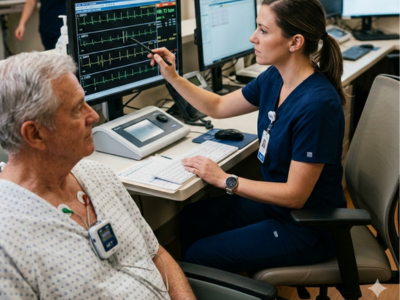
Mobile cardiac telemetry systems are wearable cardiac monitoring technologies designed to track heart rhythm continuously in real time. These systems rely on electrocardiography (ECG) to monitor the electrical activity of the heart and detect abnormalities such as arrhythmias. Typically, a patient wears electrodes on the chest connected to a small portable monitoring device. The device collects ECG signals and transmits the data wirelessly to a monitoring center or healthcare provider.
Because mobile cardiac telemetry systems transmit data instantly, clinicians can review heart rhythms without waiting for the patient to return to the hospital. Consequently, healthcare professionals gain timely insights that improve diagnostic accuracy.
How the Technology Works
The functionality of mobile cardiac telemetry systems relies on several interconnected components:
- Electrodes and Sensors—These devices attach to the patient’s chest and capture electrical signals from the heart.
- Portable Monitoring Unit – The unit records ECG signals and processes the data.
- Wireless Transmission – The data travels through cellular or wireless networks to a monitoring center.
- Clinical Review Systems—Medical professionals analyze the incoming data and detect irregular heart rhythms.
Furthermore, modern mobile cardiac telemetry systems include algorithms that automatically flag abnormal heartbeats, enabling faster clinical response.
The Role of Real-Time ECG Monitoring
One of the most significant advantages of mobile cardiac telemetry systems is continuous heart monitoring. Unlike short diagnostic tests, these systems track cardiac activity for extended periods. In many cases, patients wear the device for several days or even weeks. This prolonged monitoring increases the chances of detecting intermittent cardiac conditions such as arrhythmias or irregular heartbeats. Consequently, physicians obtain more accurate diagnostic information.
Early Detection of Cardiac Events
Real-time ECG monitoring enables healthcare professionals to detect abnormal rhythms immediately. For example, mobile cardiac telemetry systems can identify conditions such as:
- Atrial fibrillation
- Tachycardia
- Bradycardia
- Sudden cardiac rhythm changes
Because the system transmits alerts automatically, medical teams can respond quickly to potentially life-threatening events. Therefore, early detection significantly improves patient outcomes.
Emerging Trends in Mobile Cardiac Telemetry Systems
As the global prevalence of cardiovascular diseases (CVD) continues to rise, the demand for mobile cardiac telemetry systems for effective monitoring and management is also increasing. According to the Centers for Disease Control and Prevention (CDC), an American experiences a heart attack every 40 seconds. Each year, approximately 805,000 people in the United States suffer from a heart attack. Mobile cardiac telemetry systems are compact, portable devices designed to continuously monitor a patient’s cardiac activity.
- Integration with Cloud Technology: Modern mobile cardiac telemetry systems increasingly integrate with cloud platforms. This integration allows ECG data to be stored, analyzed, and accessed securely through online portals. As a result, healthcare professionals can review patient data from anywhere and collaborate more effectively.
- Advanced Wearable Designs: Technology companies continue to develop smaller and more comfortable wearable devices. New patch-based designs make mobile cardiac telemetry systems lightweight and discreet. Consequently, patients can wear these devices comfortably for extended monitoring periods.
- AI-Driven Analytics: Artificial intelligence is transforming cardiac monitoring. Advanced algorithms within mobile cardiac telemetry systems can analyze ECG patterns and automatically detect abnormalities. Therefore, AI integration improves diagnostic speed and reduces the workload for healthcare professionals.
Advantages of Mobile Cardiac Telemetry Systems
- Improved Diagnostic Accuracy: Traditional monitoring devices often store ECG data that physicians review later. However, mobile cardiac telemetry systems transmit ECG signals instantly to monitoring centers. Consequently, specialists can analyze heart rhythms as they occur. Moreover, continuous monitoring allows physicians to capture transient abnormalities that might otherwise go unnoticed.
- Enhanced Patient Convenience: Another key benefit of mobile cardiac telemetry systems is improved patient comfort. Unlike hospital-based monitoring systems, these devices are portable and wearable. As a result, patients can continue their daily activities while their heart activity is monitored continuously. This flexibility increases patient compliance and improves long-term monitoring effectiveness.
- Reduced Hospital Visits: Remote monitoring significantly reduces the need for frequent hospital visits. Instead of traveling for routine checkups, patients can transmit their heart data remotely. Therefore, mobile cardiac telemetry systems support efficient telehealth services and reduce the burden on healthcare facilities.
- Faster Clinical Response: Because mobile cardiac telemetry systems transmit data immediately, clinicians can respond to abnormalities quickly. Monitoring centers review incoming ECG signals and alert physicians if irregularities appear. This rapid response capability can prevent severe cardiac complications and improve treatment outcomes.
Key Applications of Mobile Cardiac Telemetry Systems
- Hospitals and Healthcare Facilities: Hospitals widely use mobile cardiac telemetry systems to monitor patients recovering from cardiac events or surgeries. These systems help medical teams track real-time heart rhythm changes and provide timely intervention. Additionally, continuous monitoring helps healthcare providers manage multiple patients simultaneously without compromising care quality.
- Cardiac Diagnostic Centers: Cardiac diagnostic centers rely heavily on mobile cardiac telemetry systems to evaluate patients with suspected arrhythmias. Because these systems provide continuous ECG data, clinicians can identify patterns that short-term tests may miss. Consequently, diagnostic accuracy improves significantly.
- Remote Patient Monitoring: Remote healthcare services have expanded rapidly in recent years. Therefore, mobile cardiac telemetry systems play a crucial role in remote patient monitoring programs. Patients with chronic heart conditions can wear the device at home while healthcare providers monitor their heart activity remotely.
Future Outlook
The demand for mobile cardiac telemetry systems will continue to grow as cardiovascular diseases remain prevalent worldwide. At the same time, the expansion of telemedicine and remote healthcare services will further drive adoption. Healthcare organizations increasingly recognize the value of continuous monitoring technologies. Consequently, investments in digital health infrastructure are accelerating innovation in mobile cardiac telemetry systems. Furthermore, advancements in wireless connectivity, wearable technology, and AI-based analytics will enhance the efficiency and accuracy of these systems.
Conclusion
Modern healthcare requires technologies that provide accurate, continuous, and accessible monitoring solutions. Mobile cardiac telemetry systems address this need by enabling real-time ECG tracking and remote cardiac monitoring. Through continuous data transmission, automated abnormality detection, and remote monitoring capabilities, mobile cardiac telemetry systems significantly improve cardiac care. Moreover, these systems reduce hospital visits, enhance diagnostic accuracy, and support faster clinical response.
As technology evolves, mobile cardiac telemetry systems will become even more advanced and widely adopted. Ultimately, these innovations will play a crucial role in improving patient outcomes and transforming cardiovascular healthcare worldwide.