
A brain aneurysm is a potentially fatal neurological condition that often develops silently but can rupture without warning, causing life-threatening complications. Awareness of brain aneurysm causes, symptoms, and treatment options helps individuals seek timely care and reduces the risk of permanent damage.
What Is a Brain Aneurysm
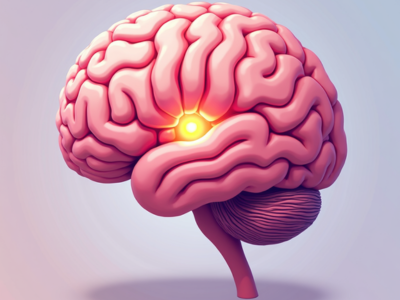
A brain aneurysm occurs when a weakened section of a blood vessel wall in the brain bulges outward, forming a sac-like structure. If it ruptures, bleeding occurs, leading to subarachnoid hemorrhage, stroke, or death. Early detection of a brain aneurysm significantly improves treatment success and survival outcomes.
Prevalence and Risk Statistics
Brain aneurysms affect an estimated 6.8 million people in the United States, which is approximately one in every fifty individuals. Annually, about 30,000 people suffer a brain aneurysm rupture in the U.S., translating to a rupture every eighteen minutes. The annual rupture rate is approximately 8–10 per 100,000 people. Globally, brain aneurysms cause nearly 500,000 deaths each year, with half of the victims younger than fifty years old. These statistics highlight the critical importance of early detection and intervention.
Populations Most Affected
Brain aneurysms are most prevalent among adults between ages 35 and 60, though they can also occur in children. Most aneurysms develop after age 40. Women are more likely than men to develop a brain aneurysm, with a 3:2 ratio. Additionally, women over fifty-five face approximately 1.5 times higher rupture risk compared to men. Racial disparities exist, as African-Americans and Hispanics are nearly twice as likely to experience a brain aneurysm rupture compared to Caucasians. These factors emphasize the need for targeted awareness campaigns and regular screening in high-risk populations.
Warning Signs and Symptoms of Brain Aneurysm
A brain aneurysm often develops silently, but certain signs may indicate its presence. Recognizing these symptoms early is crucial to preventing rupture.
Symptoms of an Unruptured Brain Aneurysm
Many unruptured brain aneurysms produce no noticeable symptoms. However, larger aneurysms may press on nerves, causing:
- Persistent headaches that differ from usual headache patterns.
- Blurred or double vision due to pressure on the optic nerve.
- Pain around or behind the eye, indicating nerve compression.
- Facial numbness or weakness, typically on one side of the face.
- Occasional seizures caused by abnormal brain electrical activity.
Symptoms of a Ruptured Brain Aneurysm
A ruptured brain aneurysm produces sudden, severe symptoms requiring immediate medical attention:
- Intense headache described as the worst ever experienced.
- Nausea and vomiting caused by increased intracranial pressure.
- Stiff neck and light sensitivity due to irritation of the brain tissues.
- Loss of consciousness or fainting in severe cases.
- Seizures and neurological deficits, including paralysis or confusion.
Additionally, some individuals experience a warning or “sentinel” headache days before rupture, highlighting the importance of not ignoring unusual head pain.
Causes and Risk Factors of Brain Aneurysm
A brain aneurysm develops when arterial walls weaken. Contributing factors include genetics, high blood pressure, and lifestyle influences.
- Genetic disorders affecting connective tissue can weaken vessel walls, increasing susceptibility.
- Chronic hypertension exerts stress on arteries, promoting aneurysm formation.
- Atherosclerosis, involving plaque buildup, reduces arterial elasticity and strength.
- Smoking and illicit drug use significantly elevate brain aneurysm risk.
- Trauma or infections can also damage blood vessels, contributing to aneurysm development.
Certain factors increase the likelihood of rupture. Large aneurysms and those in specific brain regions have a higher risk. Sudden blood pressure spikes, heavy physical exertion, or intense stress can trigger rupture in susceptible individuals.
Diagnosis of Brain Aneurysm
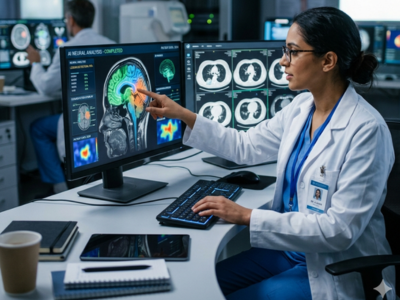
Early detection relies on advanced imaging techniques. Doctors often use CT scans to quickly detect brain bleeding in emergencies. MRI provides detailed structural images of the brain and blood vessels. Cerebral angiography remains the gold standard for locating and measuring aneurysms. In some cases, a lumbar puncture confirms bleeding when imaging is inconclusive. Timely diagnosis dramatically improves survival and treatment outcomes for brain aneurysm patients.
Treatment Options
Treatment depends on aneurysm size, location, and rupture status. Physicians select individualized plans for optimal outcomes. The brain aneurysm treatment market size is estimated to grow to US$11.06 billion by 2031.
- Surgical Clipping: Surgical clipping places a metal clip at the aneurysm base to prevent blood flow into the bulge. This method is often used for accessible aneurysms and effectively reduces rupture risk.
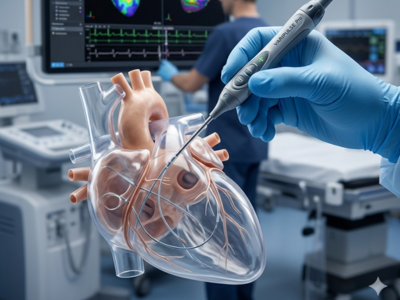
- Endovascular Coiling: Endovascular coiling is minimally invasive, using tiny coils inserted via catheter into the aneurysm. The coils promote clot formation, blocking blood flow and reducing rupture risk.
Advanced Coil Technologies
In 2023, new coil devices improved brain aneurysm treatment. The Target Tetra Detachable Coil features a tetrahedral shape and controlled softness, designed for treating small aneurysms in various body parts, including the brain. Similarly, in 2023, the CEREPAK Detachable Coils provide three shapes and multiple sizes, allowing physicians to achieve concentric and volumetric aneurysm filling for better embolization outcomes.
Flow Diversion
Flow-diverting stents redirect blood flow away from complex aneurysms, allowing natural vessel healing. This method is effective for large or irregularly shaped aneurysms that are difficult to treat with coiling or clipping.
Observation and Monitoring
Small, unruptured aneurysms may be managed with careful monitoring. Regular imaging and lifestyle management allow physicians to detect changes before rupture, reducing unnecessary surgical risks.
Prevention of Brain Aneurysm
While not all brain aneurysms are preventable, lifestyle and medical management can lower the risk. Maintaining blood pressure through diet, exercise, and medications protects vessels. Quitting smoking reduces vascular stress. Avoiding illicit drugs prevents sudden pressure spikes, which may trigger rupture. Routine health screenings allow early detection of risk factors, facilitating timely intervention.
Prognosis and Recovery
Survival and recovery depend on early diagnosis and treatment. Patients with unruptured aneurysms often maintain a normal life with monitoring and lifestyle adjustments. Ruptured aneurysms require immediate intervention to prevent severe complications, including stroke or brain damage. Advances in neurosurgical techniques and coil technology have significantly improved functional outcomes and survival rates.
A brain aneurysm is a potentially fatal condition demanding awareness, timely diagnosis, and immediate medical care. Recognizing warning signs, managing risk factors, and seeking early treatment significantly improve survival chances. Modern interventions, including surgical clipping, advanced coiling technologies, and flow diversion, provide effective treatment options. Awareness, vigilance, and proactive management empower individuals to reduce risk and preserve overall brain health.