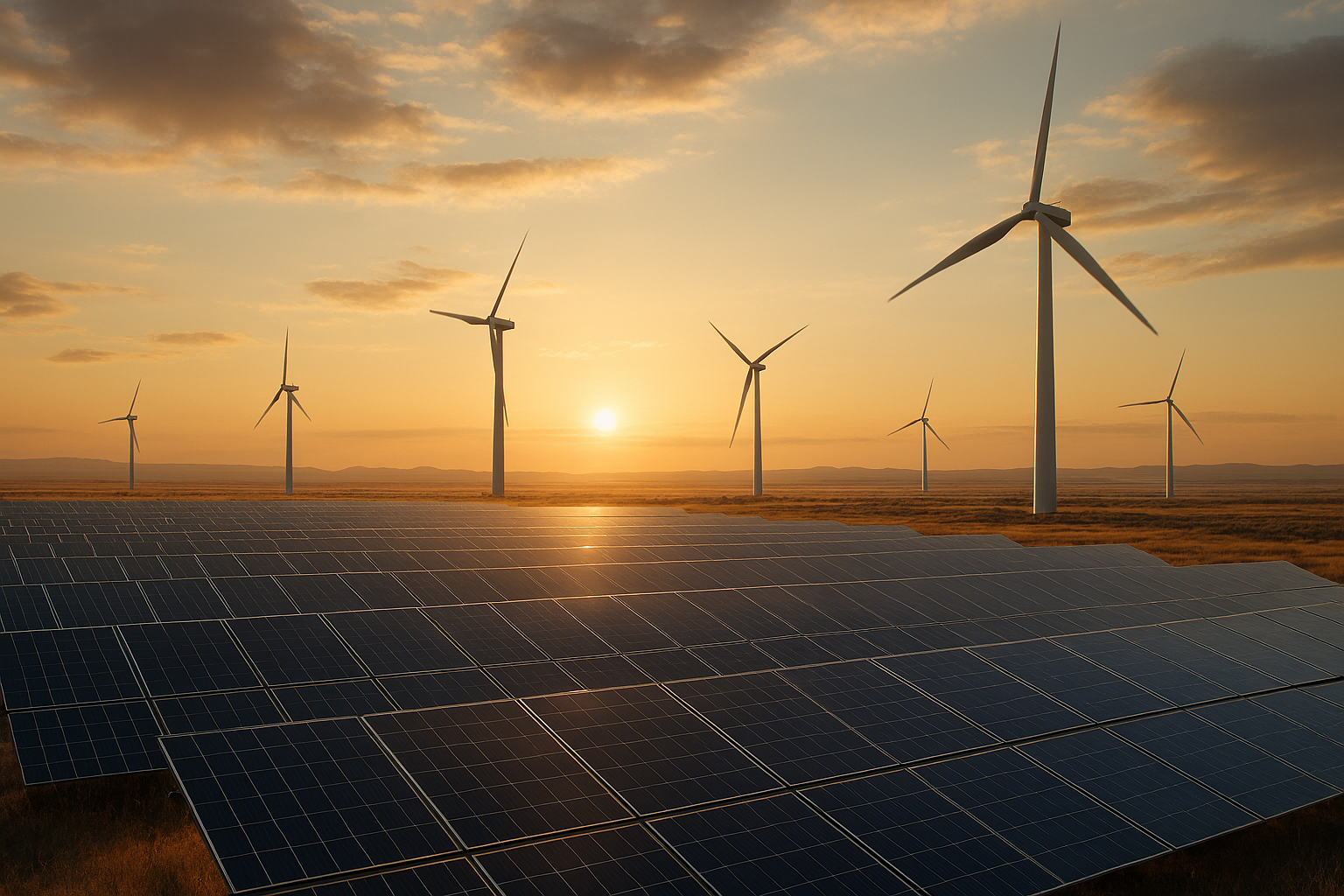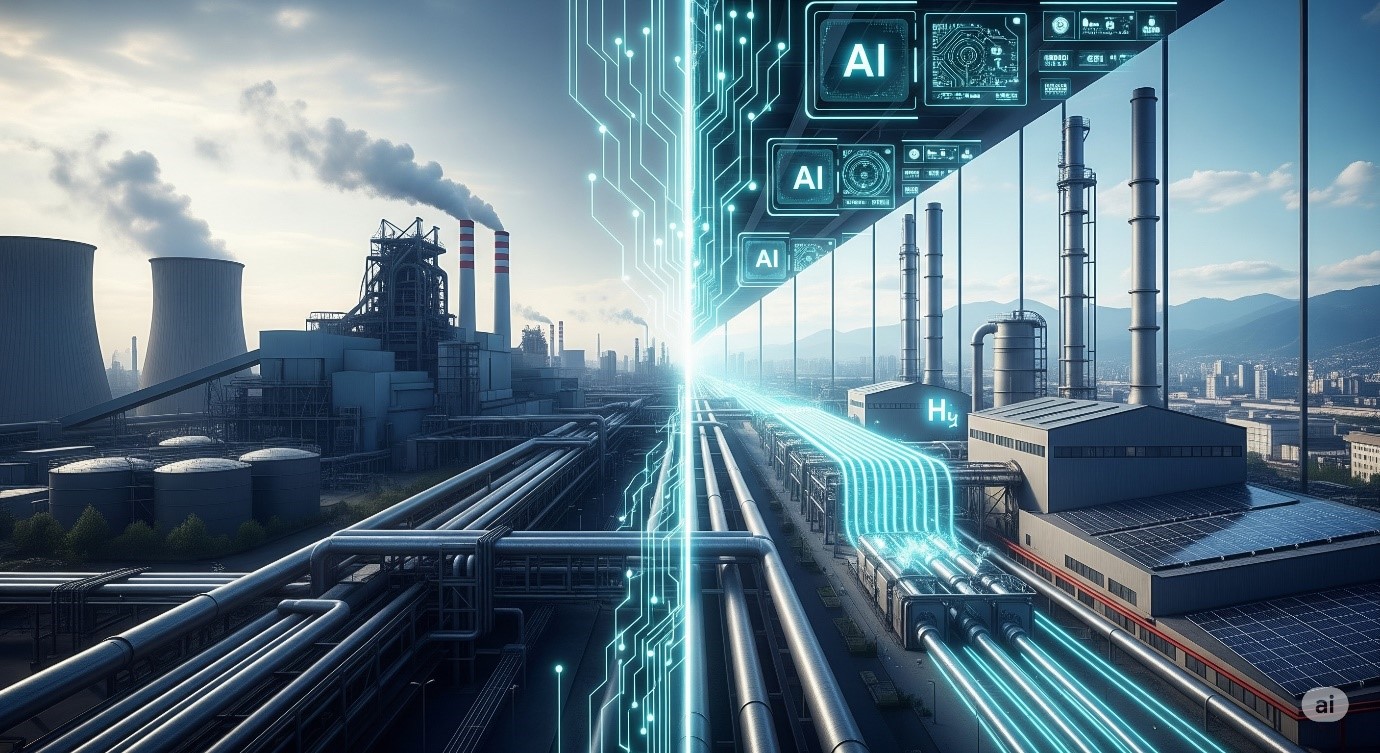

In 2025, the clean energy conversation is expanding beyond solar panels and wind turbines. The spotlight is now on factories, refineries, and manufacturing plants, the industrial sector, which accounts for nearly a third of global greenhouse gas emissions. As climate goals tighten and technology advances, industrial decarbonization is emerging as the next big frontier in the clean energy revolution.
Why Industry Is the New Battleground for Climate Action
Unlike power generation, which has seen rapid adoption of renewables, industrial processes are deeply rooted in fossil fuel use. High-temperature operations, chemical reactions, and legacy infrastructure make decarbonization complex, but not impossible.
According to the U.S. Department of Energy (DOE), industrial emissions in the U.S. alone contribute over 30% of total greenhouse gases. Tackling this sector is essential to meet national and global climate targets.
Four Pathways to Industrial Decarbonization
The DOE’s Industrial Decarbonization Roadmap outlines four strategic pathways to reduce emissions:
- Energy Efficiency- Upgrading equipment, optimizing processes, and reducing waste can cut emissions significantly without major overhauls.
- Electrification - Replacing fossil fuel-based systems with electric alternatives powered by clean energy is a game-changer for industries like steel and cement.
- Low-Carbon Fuels and Feedstocks - Hydrogen, biofuels, and recycled materials offer cleaner alternatives for industrial inputs.
- Carbon Capture, Utilization, and Storage (CCUS) - Capturing emissions before they enter the atmosphere and repurposing or storing them safely is key for hard-to-abate sectors.
These strategies are not theoretical; they’re being piloted and scaled across the U.S. with support from federal programs and research labs.
Global Energy Trends and Industrial Impact
The International Energy Agency (IEA) reports that global energy demand surged in 2024 and continues to rise in 2025. While renewables are meeting much of the new electricity demand, industrial emissions remain stubbornly high.
Clean energy technologies are helping avoid 2.6 billion tonnes of CO? emissions annually, but deeper cuts require systemic change in how industries operate.
Innovation Is Leading the Way
Research institutions like NREL and Oak Ridge National Laboratory are developing advanced materials, smart sensors, and AI-driven systems to reduce energy use and emissions. In cement manufacturing, new formulations and carbon capture techniques are being tested. In steel production, electric arc furnaces powered by renewables are replacing coal-based methods.
These innovations are not just reducing emissions, they’re improving efficiency, lowering costs, and creating new business models.
Workforce and Economic Transformation
Decarbonizing industry isn’t just about climate; it’s about jobs. The DOE envisions a future where clean manufacturing creates good-paying, resilient jobs across the country. Workforce development programs are being launched to train technicians, engineers, and operators in clean energy technologies.
This transition is also revitalizing local economies, especially in regions historically dependent on heavy industry.
Policy Support and Regulatory Shifts
The EPA is adjusting regulations to support realistic timelines for industrial transformation. In July 2025, it extended compliance deadlines for oil and gas operators under the Clean Air Act, allowing more time to adopt cleaner technologies.
Federal incentives, grants, and tax credits are accelerating adoption. Programs like the DOE’s Energy Earthshots™ are fast-tracking breakthroughs in hydrogen, carbon capture, and long-duration energy storage.
Challenges Ahead
Despite momentum, industrial decarbonization faces real challenges:
- High upfront costs for retrofitting facilities
- Technical complexity of certain processes
- Limited availability of low-carbon fuels
- Need for cross-sector collaboration
But with strong policy support and continued innovation, these barriers are being addressed.
Final Thoughts: A Defining Moment for Industry
Industrial decarbonization is no longer a distant goal; it’s happening now. As climate risks intensify and global competition grows, industries must evolve. The next frontier in clean energy isn’t just about generating power; it’s about transforming how we make, build, and produce.
In 2025, the momentum is real. With government leadership, technological breakthroughs, and public support, the industrial sector can become a cornerstone of a cleaner, more resilient future.
Resources
NREL – Industrial Decarbonization Roadmap