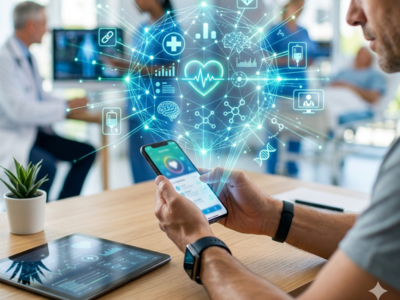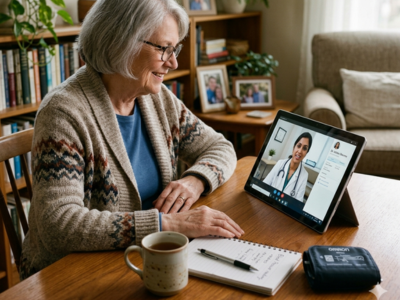

Telehealth technology has transformed modern healthcare by improving access, efficiency, and patient outcomes across diverse populations worldwide today. Moreover, healthcare providers increasingly rely on telehealth technology to deliver timely care, enhance communication, and support continuous patient engagement effectively.
Telehealth technology refers to the use of digital communication tools, including smartphones, computers, and remote monitoring devices, for healthcare delivery. These tools enable patients to consult providers, manage conditions, and receive follow-up care without visiting traditional healthcare facilities physically.
Understanding Telehealth Technology in Modern Care
Telehealth technology allows healthcare professionals to provide services remotely, which improves accessibility and reduces barriers for patients in rural or underserved regions. Furthermore, this approach supports individuals with mobility limitations, transportation challenges, or time constraints, making healthcare more inclusive and patient-centered. Healthcare systems increasingly integrate telehealth technology into routine care because it enhances coordination between providers and improves clinical decision-making processes significantly. In addition, telehealth technology facilitates communication among multidisciplinary teams, which ensures that patients receive comprehensive and timely treatment interventions.
Enhancing Access to Healthcare Services
Telehealth technology improves access to healthcare by enabling virtual consultations, which eliminate the need for long-distance travel and reduce waiting times significantly. Consequently, patients can connect with specialists and primary care providers from the comfort of their homes, ensuring continuity of care and convenience. Moreover, telehealth technology supports individuals during infectious disease outbreaks by minimizing physical contact and reducing exposure risks for both patients and providers. As a result, healthcare systems can maintain service delivery while protecting public health during emergencies such as pandemics.
Additionally, telehealth technology offers flexible scheduling options, which allow patients to receive care outside traditional clinic hours and improve adherence to treatment plans. Therefore, patients experience fewer missed appointments and better engagement with healthcare providers over time.
Improving Patient Outcomes Through Continuous Monitoring
Telehealth technology enables remote patient monitoring, which allows healthcare providers to track vital signs, symptoms, and treatment progress in real time consistently. For instance, patients with chronic conditions can share data such as blood glucose levels, blood pressure, and physical activity with their providers regularly. Consequently, healthcare professionals can identify potential health issues early and intervene before conditions worsen, which improves patient outcomes and reduces hospitalizations significantly. Furthermore, remote monitoring supports proactive care management, which enhances long-term health and quality of life for patients. Wearable devices and mobile applications also play a critical role in telehealth technology by encouraging patients to take an active role in managing their health effectively. Therefore, patients become more engaged in their care, which leads to better adherence to treatment plans and improved overall outcomes.
Strengthening Communication and Care Coordination
Telehealth technology enhances communication between patients and healthcare providers through secure messaging platforms, video consultations, and patient portals effectively. As a result, patients can easily access medical advice, request prescription refills, and review test results without unnecessary delays.
Moreover, telehealth technology enables providers to collaborate with specialists remotely, which improves diagnostic accuracy and ensures appropriate treatment plans for complex conditions. Consequently, patients benefit from coordinated care that integrates multiple perspectives and expertise seamlessly. Patient portals further support communication by providing a centralized platform for managing appointments, accessing health records, and maintaining ongoing interaction with healthcare teams efficiently. Therefore, telehealth technology fosters transparency and trust between patients and providers, which strengthens therapeutic relationships.
The rising demand for remote healthcare services continues to grow as telehealth technology reshapes modern care delivery worldwide. Moreover, advancements in communication technologies, including high-speed internet and mobile devices, have significantly expanded access to telehealth technology services. Statistics confirm that telehealth technology has become an essential part of the medical industry, and its adoption will continue to rise steadily. Healthcare organizations actively implement telehealth technology solutions, while patients and providers report positive experiences consistently. Furthermore, experts predict that by 2026, nearly 25–30% of U.S. medical visits will occur remotely, highlighting the lasting impact of telehealth technology on healthcare systems.
Supporting Preventive Care and Self-Management
Telehealth technology promotes preventive care by enabling early detection of health issues and encouraging regular monitoring of risk factors consistently. For example, patients can use mobile health applications to track fitness, nutrition, and medication adherence, which supports healthier lifestyles. Additionally, telehealth technology provides educational resources and self-management tools that empower patients to take control of their health proactively. Consequently, individuals become more informed about their conditions and actively participate in decision-making processes regarding their treatment plans. Furthermore, telehealth technology allows healthcare providers to deliver personalized guidance and support, which improves patient satisfaction and long-term health outcomes significantly. Therefore, preventive care becomes more accessible and effective through digital health solutions.
Reducing Healthcare Costs and Resource Burden
Telehealth technology reduces healthcare costs by minimizing unnecessary hospital visits, emergency room admissions, and travel expenses for patients. Consequently, both patients and healthcare systems benefit from cost savings and improved resource utilization. Moreover, telehealth technology enables healthcare providers to manage larger patient populations efficiently, which increases productivity and reduces operational burdens on healthcare facilities. As a result, providers can allocate resources more effectively and focus on delivering high-quality care.
Additionally, telehealth technology supports early intervention and continuous monitoring, which prevents complications and reduces the need for expensive treatments or hospitalizations later. Therefore, healthcare systems can achieve better outcomes while maintaining cost efficiency.
Addressing Challenges and Limitations
Despite its benefits, telehealth technology presents challenges that healthcare providers and patients must address to ensure effective implementation consistently. For instance, limited access to reliable internet or digital devices can restrict the use of telehealth technology for certain populations. Additionally, telehealth technology may not fully replace in-person examinations, especially for complex medical conditions that require physical assessment and diagnostic procedures. Therefore, healthcare providers must determine when in-person visits are necessary to ensure accurate diagnoses and appropriate treatment. Furthermore, concerns related to data privacy, security, and regulatory compliance must be addressed to maintain patient trust and ensure safe use of telehealth technology. Consequently, healthcare organizations must invest in secure systems and training to mitigate these risks effectively.
The Future of Telehealth Technology
Telehealth technology continues to evolve as advancements in digital health, artificial intelligence, and wearable devices enhance its capabilities and applications in healthcare. Moreover, increasing adoption of telehealth technology indicates its potential to become a permanent component of modern healthcare systems globally. Healthcare providers will likely expand telehealth technology services to include more specialized care, remote diagnostics, and personalized treatment plans in the future. Consequently, patients will experience improved access, better outcomes, and more convenient healthcare delivery options.
Telehealth technology improves care and patient outcomes by enhancing access, enabling continuous monitoring, and strengthening communication between patients and healthcare providers effectively. Moreover, telehealth technology supports preventive care, reduces costs, and empowers patients to take an active role in managing their health consistently. Although challenges remain, telehealth technology offers significant opportunities to transform healthcare delivery and improve the quality of care for diverse populations worldwide. Therefore, healthcare organizations must continue to invest in telehealth technology to achieve better patient outcomes and sustainable healthcare systems in the future.