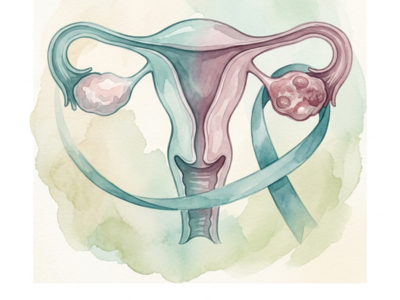

Understanding the ovarian cancer journey isn’t just about medical facts—it’s about uncovering the hidden layers of an experience that shapes patients and caregivers in profound ways. What makes this awareness important? How does ovarian cancer progress from diagnosis to treatment while highlighting real-world insights, medical processes, and emotional resilience strategies? This blog serves it all.
The rising incidence of ovarian cancer, combined with subtle early symptoms, is increasing the need for advanced diagnostic and treatment solutions. Enhanced awareness of genetic testing, particularly for BRCA mutations, supports early detection and enables personalized ovarian cancer therapies tailored to individual patient profiles. In the United States, ovarian cancer ranks as the second most common gynecologic malignancy and causes more deaths than any other female reproductive cancer. For 2026, the American Cancer Society estimates approximately 21,010 new ovarian cancer diagnoses and around 12,450 deaths, underscoring the urgency of early intervention and improved treatment strategies.
Recognizing Early Signs and Seeking Medical Attention
Ovarian cancer often develops silently; therefore, many women overlook early symptoms that resemble common digestive or hormonal issues. However, persistent bloating, pelvic discomfort, and frequent urination can signal ovarian cancer and require immediate medical evaluation. Moreover, early detection of ovarian cancer remains challenging because symptoms appear vague and nonspecific in the initial stages. Consequently, women must remain vigilant and consult healthcare professionals when symptoms persist beyond normal patterns or worsen gradually.
Diagnostic Process in Ovarian Cancer
Doctors follow a structured diagnostic approach to confirm ovarian cancer and determine its stage accurately for effective treatment planning. Initially, physicians conduct a pelvic examination to assess abnormalities in reproductive organs and identify any visible or palpable concerns. Subsequently, imaging tests such as ultrasounds and CT scans help evaluate the size, shape, and spread of ovarian cancer within the body. In addition, blood tests like CA-125 detect tumor markers that provide clues about ovarian cancer presence and progression. Furthermore, surgeons may perform procedures to remove tissue samples and confirm ovarian cancer through laboratory analysis and staging evaluation. Once diagnosed, doctors classify ovarian cancer into stages ranging from localized disease to advanced metastatic conditions affecting distant organs.
Emotional Impact of an Ovarian Cancer Diagnosis
An ovarian cancer diagnosis often triggers emotional distress; however, patients gradually adapt by seeking information, support, and professional guidance. Initially, feelings of fear and uncertainty dominate, yet structured counseling and support groups help patients regain control and emotional balance. Additionally, patients benefit from open communication with family members and healthcare providers, which strengthens their support system during treatment. Therefore, emotional resilience plays a critical role in managing ovarian cancer and maintaining overall well-being throughout the journey.
Treatment Options for Ovarian Cancer
Doctors typically combine multiple treatment strategies to manage ovarian cancer effectively while improving survival outcomes and quality of life. Primarily, surgery serves as the cornerstone of ovarian cancer treatment by removing affected organs and reducing tumor burden significantly.
In early-stage ovarian cancer, surgeons may remove one ovary, whereas advanced ovarian cancer often requires the removal of both ovaries and surrounding tissues. Moreover, chemotherapy follows surgery to destroy remaining cancer cells and prevent recurrence in ovarian cancer patients. Additionally, targeted therapy focuses on specific cancer cell weaknesses, thereby improving treatment precision and reducing damage to healthy tissues. Hormone therapy also plays a role in certain ovarian cancer cases by blocking hormones that fuel tumor growth.
Furthermore, immunotherapy enhances the immune system’s ability to recognize and attack ovarian cancer cells, offering promising outcomes in selected cases. As a result, modern ovarian cancer treatment integrates personalized approaches tailored to individual patient profiles and genetic factors.
The Role of Personalized Medicine in Ovarian Cancer
Advancements in medical science have transformed ovarian cancer care by introducing personalized treatment strategies based on genetic and molecular analysis. For instance, genetic testing identifies inherited mutations that influence ovarian cancer risk and treatment response significantly. Consequently, doctors design customized treatment plans that improve effectiveness while minimizing unnecessary side effects in ovarian cancer patients. This approach not only enhances survival rates but also ensures a better quality of life during and after ovarian cancer treatment.
Coping Strategies During Ovarian Cancer Treatment
Patients undergoing ovarian cancer treatment often experience physical and emotional challenges; therefore, adopting coping strategies becomes essential for overall well-being. Maintaining a balanced diet, adequate rest, and regular communication with healthcare providers helps manage treatment side effects effectively. Moreover, support groups provide emotional comfort and shared experiences, enabling ovarian cancer patients to feel less isolated during their journey. Patients should also set realistic goals, prioritize self-care, and seek professional counseling when needed to navigate ovarian cancer challenges successfully.
Life After Ovarian Cancer Treatment
Recovery after ovarian cancer treatment requires continuous monitoring, lifestyle adjustments, and follow-up care to detect recurrence and maintain long-term health. Doctors schedule regular check-ups, imaging tests, and blood work to track ovarian cancer remission and overall recovery progress. Additionally, survivors often focus on rebuilding physical strength and emotional resilience through rehabilitation programs and supportive care services. Therefore, life after ovarian cancer involves proactive health management and a commitment to long-term wellness strategies.
Insights from Real Patient Journeys
Real-life ovarian cancer journeys highlight the importance of early diagnosis, timely treatment, and strong support systems in achieving positive outcomes. Patients often emphasize the need for awareness, proactive healthcare decisions, and emotional strength while navigating ovarian cancer challenges. Moreover, these journeys demonstrate that ovarian cancer treatment is not a linear process but a dynamic experience requiring adaptability and perseverance. As a result, patient stories inspire others to approach ovarian cancer with determination, hope, and informed decision-making.
Future Scenario
The ovarian cancer journey from diagnosis to treatment involves multiple stages, including detection, medical evaluation, therapeutic intervention, and recovery planning. However, patients can navigate ovarian cancer effectively by combining medical expertise, emotional resilience, and supportive care systems. Ultimately, increasing awareness, early detection, and personalized treatments continue to improve ovarian cancer outcomes, empowering patients and caregivers across the United States and worldwide.