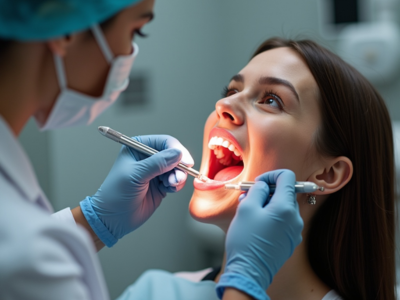

Oral cancer is a serious health concern that affects the lips, tongue, gums, and inner cheeks. Early awareness, proactive care, and timely intervention can save lives and improve quality of life. Unfortunately, oral cancer often develops silently, making early detection critical for effective treatment. Understanding oral cancer symptoms, risk factors, and preventive strategies is essential to reducing its impact.
What Is Oral Cancer
Oral cancer occurs when abnormal cells in the mouth grow uncontrollably. Most oral cancers begin in the squamous cells lining the oral cavity, making it a type of carcinoma. Globally, oral cancer is a major cause of morbidity, particularly in regions with high tobacco and alcohol use. Early detection improves survival rates, yet many cases are diagnosed at advanced stages. Regular screening and awareness of early signs are therefore crucial.
Symptoms of Oral Cancer
Identifying oral cancer early significantly increases treatment success. Common symptoms include persistent mouth ulcers, unexplained lumps, and red or white patches in the mouth. Often, oral cancer initially appears painless, which can delay medical consultation. Patients may also experience difficulty chewing, swallowing, or speaking, along with numbness or a tingling sensation in the mouth. Loosening of teeth, jaw stiffness, or continuous discomfort may indicate advanced oral cancer. Recognizing these warning signs and seeking immediate medical evaluation can facilitate timely diagnosis.
Precancerous Lesions
Oral cancer frequently develops from precancerous conditions. White patches called leukoplakia or red patches known as erythroplakia can signal increased cancer risk. These lesions may not cause pain, which is why regular dental checkups are essential. Dentists can monitor and remove precancerous lesions before they progress into oral cancer. Early intervention at this stage dramatically improves long-term outcomes.
Causes and Risk Factors
Oral cancer develops due to a combination of genetic mutations and prolonged exposure to harmful substances. Tobacco use, in both smoking and smokeless forms, is the leading cause of oral cancer. Alcohol consumption further increases the risk, especially when combined with tobacco. Human papillomavirus (HPV) infection has emerged as a significant contributor to oral cancer, particularly in younger populations. Other risk factors include poor oral hygiene, chronic irritation, prolonged sun exposure, and nutritional deficiencies. By addressing these risks, individuals can effectively reduce the likelihood of developing oral cancer.
Who Is at Higher Risk
Certain populations are more vulnerable to oral cancer. People over 40, individuals with a history of tobacco or alcohol use, and those with weakened immune systems face increased risk. Genetic predisposition and HPV exposure also elevate oral cancer susceptibility. Understanding personal risk factors enables individuals to prioritize early screening and preventive measures, improving the chances of early detection and effective treatment.
Diagnosing Oral Cancer
Diagnosis begins with a clinical examination of the oral cavity. Dentists or doctors may use imaging techniques such as CT scans or MRIs to evaluate tumor size and spread. A biopsy confirms the presence of cancer cells and helps determine the stage of oral cancer. Staging ranges from early localized tumors to advanced cases with metastasis. Early-stage oral cancer allows simpler and less invasive treatment, whereas advanced stages require complex, multidisciplinary management.
Treatment of Oral Cancer
The rising prevalence of oral cancer is a key factor driving growth in the oral cancer treatment market. Targeted therapies that address specific molecular alterations and genetic changes in oral cancers offer improved outcomes while minimizing side effects. According to the American Cancer Society’s 2026 estimates, the United States will see approximately 60,480 new cases of oral cavity and oropharyngeal cancers, with about 13,150 associated deaths, highlighting the ongoing need for effective and personalized treatment strategies.
Oral cancer treatment depends on the tumor’s stage, location, and the patient’s overall health. Surgery is the primary treatment for early-stage oral cancer. Surgeons remove the tumor along with a margin of healthy tissue to ensure complete elimination. In cases where lymph nodes are affected, neck dissection may be necessary. Reconstructive surgery using tissue flaps helps restore function and appearance.
Radiation therapy uses high-energy beams to destroy cancer cells. It is often combined with surgery to eliminate residual cancer or as a standalone treatment when surgery is not possible. Chemotherapy employs drugs to target cancer cells and is commonly paired with radiation therapy for advanced oral cancer.
Targeted therapy and immunotherapy have emerged as effective options for certain oral cancer cases. Targeted drugs attack specific molecules involved in cancer growth, while immunotherapy boosts the patient’s immune system to fight the disease. These approaches improve precision and outcomes in complex or advanced cases.
Treatment plans are stage-based. Early-stage oral cancer typically requires surgery with or without radiation, whereas advanced stages necessitate combinations of surgery, chemotherapy, and radiation therapy. Multidisciplinary care involving surgeons, oncologists, and radiation specialists ensures personalized treatment and better recovery. Post-treatment care, including oral hygiene, nutrition, and avoidance of tobacco and alcohol, is essential to prevent recurrence.
Preventing Oral Cancer
While not all cases are preventable, many oral cancer risks can be minimized. Avoiding tobacco in all forms is the most effective preventive measure. Limiting alcohol consumption, maintaining oral hygiene, and undergoing regular dental checkups are also vital. Protecting lips from excessive sun exposure and addressing HPV-related risks further reduce oral cancer likelihood. Lifestyle modifications combined with preventive screening offer the best strategy to avoid disease development.
Importance of Early Detection
Early detection remains the cornerstone of successful oral cancer management. Since oral cancer often presents visible signs, self-examination and regular dental visits are essential. Persistent mouth sores, unexplained lumps, or abnormal patches should prompt immediate medical attention. Timely diagnosis allows for less invasive treatment, higher survival rates, and better quality of life.
What Lies Ahead
Advances in diagnostics, targeted therapies, and preventive measures are shaping the future of oral cancer management. By integrating early detection strategies, personalized treatment plans, and lifestyle interventions, healthcare providers can improve patient outcomes. Public health campaigns emphasizing screening, tobacco cessation, and HPV vaccination continue to play a pivotal role. Ongoing research promises more precise therapies with fewer side effects, making oral cancer care more effective and accessible in the coming years.