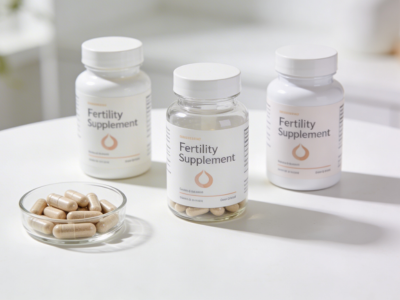

Fertility supplements have become increasingly popular among couples who are trying to conceive, with many claiming they can boost reproductive health and improve fertility outcomes. These dietary supplements contain vitamins, minerals, and antioxidants that, some argue, support egg and sperm quality. However, their real impact on fertility remains a subject of ongoing medical debate. Therefore, it is essential to explore scientific evidence and clinical guidance before relying on fertility supplements as a primary route to conception.
In this blog, we will define fertility supplements, review commonly recommended nutrients, and offer insights into what the research actually says about their effectiveness.
What Are Fertility Supplements?
Fertility supplements are dietary products designed to support reproductive health by providing specific nutrients that are important for conception. These supplements typically combine vitamins, minerals, and natural compounds believed to enhance factors such as egg quality, sperm motility, and cellular health. Common ingredients include folic acid, coenzyme Q10, iron, and various antioxidants. However, despite widespread use, evidence supporting their effectiveness varies considerably.
Many people assume that taking fertility supplements alone will guarantee pregnancy. Yet, scientific studies and expert organizations emphasize that supplements should not replace professional fertility evaluations or proven medical treatments. Instead, they may serve as supportive measures under guidance from healthcare professionals.
Increasing awareness of reproductive health is driving demand for fertility supplements, as consumers recognize how lifestyle, nutrition, and age affect fertility, while social media, healthcare providers, and wellness communities promote holistic fertility support approaches. For instance, US Fertility, the nation's largest partnership of physician-owned fertility practices, introduced a new combined offering with USF educational videos, Oura Ring, and Luminary Vitamins. The bundled offering provides Luminary Vitamin customers who are trying to conceive with access to the Oura Ring, a cutting-edge wearable that tracks key health metrics, and an Oura membership to support fertility optimization.
The combination of advanced health monitoring from Oura and fertility-focused supplements from Luminary Vitamins provides women with the insights and tools they need to optimize their fertility journey.
Key Fertility Supplements and Research
Folic Acid: Essential for Reproductive Health
Folic acid is one of the most widely recommended fertility supplements, especially for women preparing for pregnancy. It plays a critical role in DNA synthesis and cell division, which supports healthy egg and sperm development. Most clinicians recommend a daily intake of at least 400 micrograms before conception and during early pregnancy, as it significantly reduces the risk of neural tube defects. Some studies also suggest that folic acid may improve outcomes in women with ovulation-related fertility problems.
Although folic acid’s benefits for preventing birth defects are well established, its specific role in improving live birth rates through supplementation alone is less conclusively proven. More research is needed to clarify the extent of its impact on fertility outcomes.
Coenzyme Q10 (CoQ10): Antioxidant Support
Coenzyme Q10, commonly known as CoQ10, is another popular fertility supplement often included in male and female formulations. This antioxidant supports mitochondrial function, which may enhance egg quality and sperm motility. Some clinical studies indicate that CoQ10 could improve ovarian response during in vitro fertilization (IVF), potentially leading to higher-quality embryos and better pregnancy rates.
However, while promising, the research remains limited and sometimes inconsistent. More robust and larger clinical trials are required to firmly establish CoQ10’s direct effect on fertility. Supplements like CoQ10 may have benefits when used in combination with medical treatment, but they are not a replacement for professional fertility care.
Vitamin E, Vitamin C, and Vitamin D
- Vitamin E has antioxidant properties that may help protect reproductive cells from oxidative stress. It could also improve the quality of cervical mucus, thereby aiding sperm movement. However, high doses can interfere with blood clotting and cause side effects, emphasizing the need for careful dosage consideration.
- Vitamin C supports the immune system and enhances iron absorption, which can indirectly benefit reproductive health. Some evidence suggests it may improve sperm quality, especially in men experiencing oxidative stress.
- Vitamin D plays a role in hormone regulation and has been associated with improved fertility outcomes and better assisted reproductive success. Nonetheless, too much vitamin D can cause toxicity and other health issues, so regular monitoring is advised.
Iron and Other Nutrients
Iron is crucial for transporting oxygen in the blood and preventing anemia, which can negatively affect fertility when deficient. Women with anemia may benefit from iron supplementation, especially when preparing for pregnancy. However, excess iron can be harmful, and intake should be personalized based on blood tests and professional guidance.
Other nutrients such as zinc and selenium are important for male fertility, particularly sperm quality, although evidence for their effectiveness varies and requires further research.
Professional Guidance: Best Practices
Given the mixed evidence and regulatory limitations surrounding fertility supplements, professional medical guidance is critical. Before beginning any supplement regimen, individuals should discuss their specific health history, nutritional needs, and fertility goals with a qualified clinician. A personalized approach ensures that any supplements taken are appropriate and safe.
For couples with significant fertility concerns or repeated unsuccessful attempts to conceive, consulting a fertility specialist can provide access to evidence-based treatments designed to address underlying medical issues. Supplements may serve as supportive tools, but they should not replace clinically proven interventions.
Conclusion: The Role of Fertility Supplements
In summary, fertility supplements may offer certain benefits by addressing nutrient deficiencies and supporting reproductive health factors. Yet, their effectiveness varies, and strong evidence linking fertility supplements to increased pregnancy or live birth rates remains limited. Consequently, these supplements should be viewed as complementary strategies rather than cure-alls.
Ultimately, the best path to improving fertility combines professional medical evaluation, evidence-based treatment, and lifestyle factors that promote overall reproductive well-being. Individuals should consult healthcare professionals to determine the most effective approach for their unique fertility journey.