
We all know the feeling. You see a cool blue bottle, hear a crisp pour, and suddenly you want a drink. That is not luck. It is psychology at work. Brands nudge your senses and shape your thirst, often without you noticing. In this blog, we unpack how color, sound, and shape steer your perception. We also look at why this matters in a global market. Along the way, we keep it witty, but also useful.
Importantly, Bottled water branding now goes far beyond logos and labels. It blends sensory cues to signal purity, freshness, and quality. As a result, it influences not only purchase, but also taste expectations. Let’s explore how that happens, one sense at a time.
Why Your Brain Drinks Before You Do
Your brain relies on shortcuts. It uses visual and auditory cues to predict taste and feel. Therefore, small details can shape big decisions. Blue suggests clean and cool. Smooth shapes suggest purity. Crisp sounds suggest freshness. Together, they say “hydrate now.” Consequently, modern Bottled water branding employs these cues with intent. The goal is simple. Make water feel more refreshing than water. It sounds impossible. Yet it works because perception is comparative. If one bottle looks colder and cleaner, your brain picks it.
Color: The Strongest Silent Salesperson
Color influences speed and emotion. Blue and aqua tones imply coolness and calm. White implies purity and minimal processing. Transparent elements suggest “nothing to hide.” These cues align with what we expect from water. Therefore, they reduce friction in the mind. In Bottled water branding, cooler palettes dominate for a reason. Blue reduces perceived temperature. This can make the promise of refreshment feel stronger. Meanwhile, silver accents can imply premium quality. Subtle gradients also suggest flow and movement, which fits water.
However, context matters. In tropical markets, bright hues can signal energy and vitality. In Nordic markets, muted tones can signal trust and restraint. The same blue can feel clinical in one market and pure in another. Thus, localization matters. Color is never “one shade fits all.” Moreover, sustainability cues now sit within color systems. Greens and earthy neutrals can hint at eco-care. Recycled-look textures can signal circularity. But the balance is key. Overuse of green can feel performative. The palette should still whisper “clean water,” not shout “greenwashing.”
Sound: The Unseen Refresh Button
You cannot taste sound, but you can feel it. The sharp snap of a cap can feel hygienic and new. A bright, high-frequency pour can feel crisp and cooling. Meanwhile, slow, soft pour sounds feel calming and pure. These sonic details shape expectation before the first sip. Sonic branding extends the experience beyond shelves. Think of ad soundscapes: water drops, streams, and wind. These sounds prime the brain for refreshment. As a result, Bottled water branding stretches into audio logos and UX sounds. Even a delivery app chime can feel “hydrating” if tuned right.
Additionally, silence matters. A quiet, low-friction uncap communicates refinement. It can also signal trust and quality. There is a sweet spot. Too loud can feel cheap. Too soft can feel dull. The best brands tune sounds to match identity, context, and culture. Global nuance matters here too. In busy cities, sharper sounds cut through noise. In calmer regions, relaxing soundscapes resonate more. Audio strategy should shift with use cases. Gym lockers differ from conference tables. Ads in metro systems differ from spa videos.
Shape: What Your Hand Knows Before Your Head
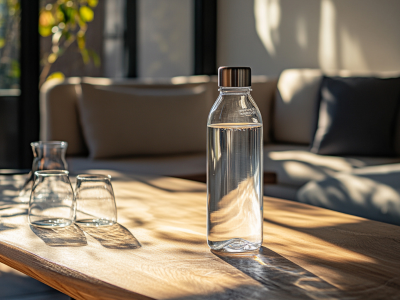
Design is never neutral. Shape guides grip, suggests purity, and primes value. Smooth curves imply flow and ease. Straight lines can feel structured and precise. A tapered neck suggests elegance and control. A wider base signals stability and confidence. Therefore, Bottled water branding often uses soft curves and slender profiles. These feel premium and natural.
Meanwhile, faceted surfaces can suggest purity through “gem-like” cues. They also catch light in ways that signal clarity. Label cutouts can reveal water, hinting at transparency. Ergonomics matters too. A bottle that fits your hand feels “right.” That “rightness” transfers to product quality. This is called sensation transfer. When grip feels secure, people report better taste and higher trust. Small, tactile ridges can support grip without shouting “sport mode.”
Furthermore, shape communicates function. Sleek and thin feels boardroom-ready. Compact and clip-friendly feels travel-ready. Chunky and insulated feels adventure-ready. Aligning form with context reduces mental work. Ease becomes trust, and trust becomes choice.
Typography, Texture, and Minimalism: The Extra Signals
Visual systems include type, texture, and white space. Sans-serif type suggests modernity and cleanliness. Serif type can suggest heritage and craft. Highly legible type supports quick decisions in retail chaos. Meanwhile, generous white space signals calm and confidence. Minimalism still dominates Bottled water branding. It evokes purity and focus. However, minimalism can feel cold if overdone. A touch of texture can bring warmth. Micro-embossed patterns can imply filtration or flow. Matte finishes can feel premium, but gloss can feel “wet” and fresh.
Additionally, transparency remains a core cue. Clear labels or cutouts signal authenticity. People want to see their water. Tinted packaging should balance aesthetics with trust. If the tint obscures clarity, it can undermine the purity message.
Cultural Perception: What “Pure” Means Around the World
Purity is culturally shaped. In Japan, purity can mean harmony and simplicity. In the Middle East, it can signal generosity and hospitality. In parts of Europe, it can connect to mineral provenance and terroir. In India, trust often relates to safety and reliability. Thus, Bottled water branding must adapt beyond language. It should reflect local rituals and meanings. For example, provenance can matter more in countries with a strong spring water heritage. Conversely, filtration and technology can matter more in urban, fast-growing markets.
Moreover, climate shapes cues. Hot regions lean toward cooling visuals and hydration claims. Colder regions may emphasize mineral balance and subtle wellness. Meanwhile, markets with high sustainability awareness expect proof, not promises. Design should back claims with clarity. Hence, the global market is expected to grow at a CAGR of 5% between 2026-2034.
Digital Touchpoints: When Hydration Meets Pixels
Hydration now lives on screens. E-commerce tiles, mobile ads, and social videos carry the brand. Therefore, assets must “hydrate” in two seconds or less. Motion helps. Subtle ripples, bead-like droplets, and clean transitions reinforce the water story. In addition, Bottled water branding extends to wearable tech and smart bottles. Glows, haptics, and reminders reinforce identity. Even data visualizations can feel “fresh” if designed with flow metaphors. Consistency across platforms builds memory and preference.
Importantly, product photography must capture condensation and clarity. Ice cues should feel natural, not staged. Excessive frost can look artificial. Lighting should honor the water’s sparkle, not wash it out. People can spot inauthentic cues faster than ever.
Sustainability Signals: Design for Trust, Not Just Trend
Consumers want hydration without guilt. Design can help. Recycled materials should look premium, not compromised. Structural integrity must remain solid. Clear messaging should explain what “recycled” means. QR codes can reveal lifecycle data and impact. Therefore, Bottled water branding should treat sustainability as a system. It includes refill readiness, cap retention, and lightweighting. It also includes honest claims and consistent verification. Design can celebrate these choices with subtle, smart cues.
Additionally, modular packaging and stackable forms can reduce logistics waste. Pallet-friendly shapes benefit brands and retailers. That story belongs on the pack and on the product page. Efficiency is not only financial. It is also environmental.
Taste, Expectation, and the Placebo Effect
People often report taste differences between waters that are chemically similar. This is not fraud. It is expectation shaping perception. When design signals “cold,” you might feel the sip as colder. When visuals signal “mineral-rich,” you might perceive more body. As a result, Bottled water branding can ethically guide expectations. It should never deceive. It should frame the experience through truthful cues. If the product is mineral water, celebrate heritage and geology. If it is purified water, celebrate technology and precision.
Furthermore, temperature framing matters. Cool-toned visuals and frosty textures can reduce perceived warmth. Warm-toned scenes can suggest comfort or wellness. Match the tone to the use case. Gym hydration differs from fine dining. Airport travel differs from the home office.
The Future: From “Pure” to “Personally Pure”
The next wave is personalization. Smart caps, micro-filtration at the point of use, and refill ecosystems will grow. People will want water that matches their activity, climate, and taste. Design must flex while staying recognizable. Additionally, bio-based materials and refill-first systems will rise. Packs will become lighter, smarter, and more modular. Digital twins will track origin and impact. Meanwhile, sonic branding will join haptics to craft richer rituals.
In that future, Bottled water branding will become an orchestration. It will connect the bottle, refill, app, and service. It will make hydration feel both effortless and intentional. And yes, it will still make you feel thirsty, but for the right reasons.
Final Sip: Design That Refreshes the Mind
Thirst is physical, yet perception shapes it. Color, sound, and shape prime your brain for refreshment. When done well, design tells the truth faster than text. It signals safety, quality, and care. It also respects culture and context.
Therefore, smart Bottled water branding treats psychology as a guide, not a trick. It aligns cues with reality. It invites trust and delivers clarity. And in a crowded global market, that honesty is the most refreshing feature of all.