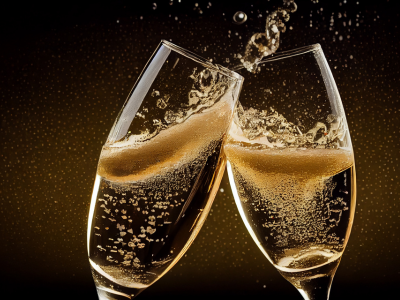

The allure of sparkling wine transcends mere celebration. It represents a pinnacle of viticultural craftsmanship and a thriving global industry. As we look toward the 2026 market, the demand for premium bubbles continues to rise. Consumers increasingly seek sophisticated experiences, driving the sparkling wine production sector to new heights of innovation. This blog explores the meticulous journey of the grape from the vineyard to the flute. We will examine the various methods that define this prestigious category. Understanding these processes enhances your appreciation for every bottle you uncork.
The Foundation: Vineyard Selection and Harvest
Superior sparkling wine production begins long before the first bubble forms. Winemakers select specific vineyard sites that provide high acidity and moderate alcohol levels. These characteristics are essential for maintaining freshness in the final product. Traditionally, regions like Champagne in France and Trentino in Italy lead the way. However, newer markets in England, Tasmania, and the United States now produce world-class sparkling wines.
Harvest timing is critical in this industry. Workers often pick grapes earlier than they would for still wines. This early harvest preserves the natural tartness of the fruit. In many premium regions, hand-harvesting remains the gold standard. This gentle approach prevents premature skin breakage. It ensures the juice remains clear and free from bitter tannins.
Primary Fermentation and the Creation of the Cuvée
Once the grapes reach the winery, they undergo a gentle pressing. The resulting juice, known as the must, enters the first stage of fermentation. During this phase, yeast converts grape sugars into alcohol. This process creates a base wine which is typically very dry and highly acidic. After the initial fermentation, the winemaker performs the art of blending. This stage is known as creating the cuvée. A producer might blend different grape varieties, such as Chardonnay, Pinot Noir, and Meunier. They may also incorporate reserve wines from previous vintages. This blending ensures a consistent house style and complexity. The sparkling wine production process relies heavily on the skill of the master blender.
The Magic of Secondary Fermentation
The defining characteristic of sparkling wine is its effervescence. This sparkle comes from a second fermentation. Winemakers add a precise mixture of sugar and yeast, called the liqueur de tirage, to the base wine. This mixture restarts the fermentation process within a sealed environment. Because the carbon dioxide cannot escape, it dissolves into the liquid. This creates the delicate bubbles we enjoy. There are two primary global methods for achieving this:
- The Traditional Method (Méthode Traditionnelle)
This prestigious technique involves conducting the second fermentation directly inside the individual bottle. It is the mandatory method for Champagne, Cava, and Franciacorta. Each bottle becomes a unique fermentation vessel. This method is labor-intensive and requires significant time.
- The Charmat Method (Tank Method)
The Charmat method conducts the second fermentation in large, pressurized stainless steel tanks. This approach is highly efficient and preserves the fresh, fruity aromas of the grapes. It is the hallmark of Prosecco production. The global market values this method for producing vibrant and accessible sparkling wines.
Maturation and the Role of Lees
In the traditional method, the wine must age on its lees. Lees are the spent yeast cells left over from the second fermentation. As the wine rests, these cells undergo a process called autolysis. This stage imparts complex flavors of brioche, toasted bread, and nuts to the wine. The duration of this aging varies by region and quality level. Some premium bottles age for several years. This extended contact with the lees also refines the texture of the bubbles. It results in a creamy mousse that feels luxurious on the palate. For the global sparkling wine production industry, this maturation period is a key differentiator for luxury products.
Clarification: Riddling and Disgorgement
After maturation, the winemaker must remove the yeast sediment to ensure the wine is crystal clear. In the traditional method, this involves riddling or remuage. Bottles are placed in racks and turned regularly. This process slowly moves the sediment into the neck of the bottle. While historically done by hand, many modern wineries now use automated gyropalettes. Once the sediment is collected, the disgorgement phase begins. The neck of the bottle is frozen, trapping the yeast in an ice plug. When the cap is removed, the internal pressure ejects the frozen sediment. This precision ensures that the wine remains sparkling and clear for the consumer.
The Final Touch: Dosage and Corking
The final step in sparkling wine production is the addition of the liqueur d'expédition. This is a small amount of wine and sugar known as the dosage. The dosage determines the final sweetness level of the wine. It ranges from Brut Nature (no added sugar) to Doux (sweet). After the dosage, the bottle receives its final cork and wire cage (muselet). The wine then rests for a few months to allow the dosage to integrate. Finally, the product is labeled and shipped to connoisseurs around the world.
Global Market Outlook and Trends for 2026
The global sparkling wine market is currently experiencing a period of robust growth. Industry analysts project a significant increase in market value by 2030. The United States now stands as a primary driver of this international expansion. Currently, the U.S. represents a valuable market for global sparkling wine. Several factors drive this upward trend:
- American Domestic Resilience: California now produces approximately 70% of all domestic sparkling wine. While still wine sales fluctuate, premium American bubbles priced above $15 remain highly resilient.
- Lifestyle Integration: U.S. consumers now view sparkling wine as a daily indulgence rather than a rare luxury. This shift encourages pairing bubbles with casual meals like spicy takeout or brunch.
- Demographic Shifts: Millennials and Gen Z now represent the largest growth cohorts in the U.S. market. These younger drinkers prioritize authenticity and visually appealing products for social media.
- Packaging Innovation: The rise of canned sparkling wines and smaller formats caters specifically to active American lifestyles. This convenience factor attracts younger demographics who value portability.
- Sustainability: Wineries are adopting eco-friendly practices in their sparkling wine production methods. American shoppers increasingly demand proof of carbon-neutral operations and lighter-weight glass.
Europe remains the dominant region for production. However, North America is the most opportune market for value growth. This expansion offers exciting opportunities for both established brands and boutique producers.
Conclusion: A Toast to Quality
The journey of sparkling wine is a testament to human ingenuity. From the careful harvest of acidic grapes to the complex science of secondary fermentation, every step matters. This industry combines centuries of tradition with cutting-edge technology. Whether you prefer a complex, yeast-driven Champagne or a fresh, floral Prosecco, the quality of modern sparkling wine production has never been higher.
As you enjoy your next glass, consider the years of labor involved. Every bubble represents a winemaker's dedication to excellence. The sparkling wine market is vibrant, diverse, and ready for a bright future. We invite you to explore new regions and styles as this category continues to evolve globally.