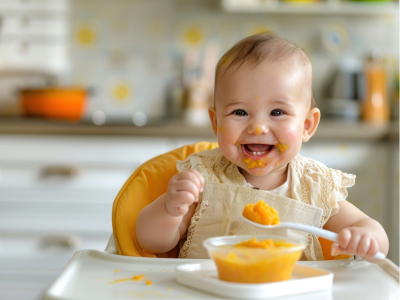

Planning a trip with a baby can feel complex. However, with the right food strategy, you can travel with confidence. This guide explains what to pack, how to pack it, and why the modern baby food market makes travel easier. It also offers practical tips for air, road, rail, and cruise travel. Above all, it helps you choose travel-friendly baby food options for safety, convenience, and nutrition.
Why Food Planning Matters When Traveling With Babies
Smart food planning reduces stress. It prevents hunger spikes, minimizes mess, and supports routines. Moreover, it protects sensitive tummies during transit. Because babies rely on frequent, predictable feeding, your choices matter. Therefore, your plan should balance nutrition, portability, and safety. As a result, you will maintain comfort and avoid delays.
The global baby food market now supports this need. Brands offer safe, portable, and diverse options. Furthermore, innovative packaging makes feeding simpler on the move. Thus, families can maintain quality nutrition across borders. Likewise, premium and affordable lines serve different budgets and preferences.
What defines “Travel-friendly baby food”?
The best travel options follow five principles. First, they are safe at room temperature for several hours. Second, they pack easily with minimal risk of leaks. Third, they include soft textures suited to the baby’s age. Fourth, they are quick to serve. Fifth, they meet regulatory guidelines for labeling and allergens.
Moreover, travel-friendly baby food should minimize utensils. Ideally, you should serve directly from the pack. Additionally, you should choose varieties with clear ingredient lists. Finally, you should check age suitability and consistency. That way, you support both safety and digestion.
Core Packing List for Different Ages
For Infants Under Six Months
Breastmilk or formula remains primary. Therefore, focus on sterile storage and measured portions. Ready-to-feed liquid formula can reduce errors. Additionally, pre‑sterilized bottles can streamline transit. Meanwhile, compact coolers will help maintain temperature. Although solids are not recommended yet, hydration planning still matters. Hence, carry extra feeds for delays. Also, keep a backup feeding method, like a cup with a spout.
For Babies Six to Nine Months
At this stage, purees and smooth textures work best. Choose single‑ingredient or simple blends. Consider pouches with secure caps. Additionally, carry small spoons with soft tips. For variety, include cereals that mix with water or milk. Moreover, pack shelf‑stable yogurt melts. Also, include mashed fruit cups without added sugars. Therefore, you can build balanced mini meals.
For Babies Nine to Twelve Months
Textures can now be thicker or lumpy, if development allows. Consequently, you can add soft finger foods. Consider cooked pasta stars, soft cheese, and ripe banana. Furthermore, include well‑cooked lentils or peas for protein. Because babies explore more at this stage, choose mess‑managed formats. For example, use divided snack containers with tight seals. Additionally, keep wipes readily accessible.
For Toddlers Twelve Months and Up
Toddlers can handle more variety. Therefore, expand your pack with whole-grain crackers, mini sandwiches, and steamed veggies. Also, include nut‑free spreads for public travel. Moreover, consider squeeze pouch yogurt if refrigeration is available. Since toddlers may resist unfamiliar flavors, test options before travel. That way, you prevent waste and fuss. Additionally, maintain hydration with spill‑proof cups.
Product Formats That Work Well
Shelf‑Stable Pouches
Pouches remain popular for a reason. They are light, resealable, and easy to serve. Additionally, they reduce utensil needs. Consider fruit and vegetable blends with iron‑rich add‑ins. Moreover, look for lower sugar varieties. Because pouches can tempt overuse, balance them with other textures. Also, guide your baby to sip slowly. That will reduce choking risk during turbulence or bumps.
Dry Cereals and Mix‑Ins
Infant cereals travel well. They are light and customizable easily. Furthermore, you can mix them with milk, water, or purees. As a result, you can adjust the texture based on age. Consider adding seed or grain blends if suitable. Additionally, choose fortified options for iron support. However, always introduce new items before travel.
Soft Finger Snacks
Rice rusks, teething wafers, and oat bars can soothe. Moreover, they reduce mess compared to crumbly crackers. For protein, consider soft beans or shredded chicken. Also, try mild hummus if allergy history allows. Because texture matters, test chewability in advance. That helps prevent frustration on the trip.
Ready‑to‑Eat Meals
Some brands offer shelf‑stable bowls or trays. These can save time in hotels or on planes. Additionally, they can relieve pressure during tight connections. Choose options with simple ingredient lists. Furthermore, avoid high sodium and added sugars.
Packing Strategies for Different Transport Modes
Air Travel
Air travel has specific rules. Therefore, check security policies for liquids and baby foods. Most airports allow reasonable amounts for babies. Moreover, you can request a hand inspection. Pack travel-friendly baby food at the top of your bag. That speeds up screening. Because cabin pressure can affect containers, release the pouch air before opening. Additionally, feed during takeoff and landing to reduce ear pressure. Finally, carry extra servings for delays.
Road Trips
Road travel offers more space and flexibility. Consequently, you can pack a cooler and a small kettle. Plan fuel stops with clean facilities. Also, prepare small portions every two to three hours. Because spills can happen, use seat protectors. Moreover, keep a food and waste bag near the car seat. Additionally, schedule a picnic break for messy meals.
Rail Travel
Trains allow easier movement. Therefore, serve meals at a table seat when possible. Also, confirm power outlets for warmers, if needed. Because platforms may be crowded, pre‑portion food in small containers. Additionally, store wipes and bibs in an outer pocket.
Cruises
Cruises can support refrigeration. Consequently, you can carry a wider variety. Confirm ship policies for outside foods. Moreover, ask the dining staff for plain preparations. For example, request steamed vegetables without salt.
Safety and Hygiene Best Practices
Food safety remains non‑negotiable. Always wash or sanitize your hands before feeding. Moreover, keep cold foods below safe temperatures. Discard any food that sits out too long. Additionally, avoid cross‑contamination by separating utensils. Because babies have sensitive systems, avoid raw or undercooked foods. Also, introduce new foods before travel. This approach reduces allergy uncertainty. Finally, carry an antihistamine only if your pediatrician advises it.
Nutrition Guidance for Balanced Travel Meals
Aim for balance across the day. Combine carbohydrates, protein, fats, and fiber. For example, pair cereal with fruit puree and yogurt. Alternatively, serve lentils with soft rice and vegetables. Moreover, rotate flavors to sustain interest. Because iron supports development, include iron sources often. Fortified cereals, beans, or soft meat can help. Additionally, offer water frequently to support digestion. Remember, small, regular portions often work best.
Homemade vs. Ready‑Made: How to Decide
Both approaches can work well. Homemade meals can reflect family tastes. They also allow tighter ingredient control. However, ready‑made options reduce effort. They also offer strong safety controls and shelf stability. Consider a hybrid plan. Prepare some favorites at home. Then, add travel-friendly baby food pouches and snacks for backup. Moreover, keep a small emergency stash sealed and dated. That way, you avoid last‑minute shortages.
Global Considerations for Cross‑Border Travel
When crossing borders, rules matter. Therefore, check customs policies on fresh foods. Some countries restrict fruits, dairy, and meat. Moreover, confirm airline and airport rules for liquids and gels. Because supply can vary, research local availability. Large cities often stock familiar brands. However, rural areas may have fewer choices. Consequently, pack enough travel-friendly baby food for the first 48 hours. After arrival, restock thoughtfully.
Labeling also varies by region. Hence, review allergen statements carefully. Additionally, watch for sugar and sodium levels, which can differ. When uncertain, choose simpler ingredient lists.
How the Baby Food Market Supports Travelers
The modern market focuses on portability and safety. Brands now use recyclable, lightweight packaging. Moreover, many offer organic and allergen‑aware lines. These features support travel readiness. They also meet diverse family preferences. Innovation continues across textures and formats. For instance, brands now offer heat‑and‑eat bowls. They also pre‑portion snacks for mess control.
Furthermore, they design spouts to reduce spills. As a result, travel-friendly baby food has become more reliable. Retail access also improved. Supermarkets, pharmacies, and online channels carry wide selections. Additionally, travel hubs stock snack formats and pouches. Therefore, families can adapt mid‑journey if needed.
Sustainable Choices on the Go
Sustainability can align with convenience. Choose recyclable pouches where available. Additionally, carry reusable spoons and bibs. Moreover, minimize single‑use plastics by pre‑portioning in reusables. Because waste management varies globally, prepare disposal plans. Use sealable bags for dirty items. Also, choose larger multipacks to reduce packaging. Finally, donate unopened extras when appropriate and allowed.
How to Build Your Personal Packing System
Start with your baby’s proven favorites. Then, layer in backups. Organize by meal type and timing. Moreover, label containers by day. Also, keep a separate emergency kit. Because travel plans can change, build redundancy. Pack extra spoons and wipes. Additionally, carry at least two full days of travel-friendly baby food. Consequently, you will meet needs even during delays.
Final Thoughts
Feeding on the go does not need to be stressful. With planning and the right products, it can be smooth. The expanding baby food market now offers safer, smarter formats. These formats serve families across the world. Moreover, they support better nutrition during travel.
Choose a mix of homemade and ready‑made options. Prioritize safety, portability, and balance. Then, pack confidently and enjoy the journey. With travel-friendly baby food, you can focus on memories, not mess.