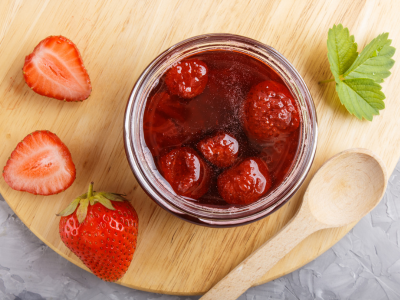

Strawberry jam has traveled far from checkered aprons and copper pots. Today, it glides onto tasting menus with quiet confidence. Chefs swirl it into sauces, desserts, and even savory pairings. Meanwhile, home cooks still defend heirloom methods with pride. This journey captures Strawberry jam evolution through craft, science, and culture. Moreover, it mirrors our broader food story—heritage meeting innovation.
A Sweet Origin Story
Historically, preserving fruit was survival, not luxury. Sugar stabilized fragile summer berries for the winter months. Consequently, jam emerged across Europe, the Middle East, and Asia with regional styles. In Britain and France, strawberries signaled elegance and seasonality. Meanwhile, cooks refined pectin science and jam ratios through trial and taste. Then, industrial sugar access changed everything.
Through the 19th century, railways and canning scaled fruit distribution. Thus, strawberry jam shifted from a local treat to a household staple—recipes diversified with climate and strawberry varieties. Additionally, standards evolved to protect quality and regulate fruit content. Yet, under the progress, grandma’s intuition still reigned in many kitchens.
Strawberry Jam Evolution in One Phrase: From Utility to Art
At its heart, Strawberry Jam Evolution charts a path from necessity to artistry. First, it solved a problem: fruit spoilage. Then, it gained emotional value: tradition and comfort. Finally, it became a culinary art: terroir, technique, and pairing. Accordingly, jam today belongs on both supermarket aisles and Michelin plates. And yes, it also belongs on warm toast.
What Changed in the Jar
Modern jam makers balance chemistry and romance. Pectin, acid, and sugar still define set and texture. However, craft producers now highlight berry origin and varietals. For example, Mara des Bois offers floral notes, while Albion brings rich sweetness. Similarly, maceration, slow reduction, and small-batch methods shape depth. Moreover, premium brands embrace copper pots and minimal processing.
Meanwhile, mass-market players innovate with consistency and shelf life. Low-sugar pectin systems support cleaner labels. Consequently, spreads meet health preferences without losing identity. Additionally, new formulations use honey, date syrup, or allulose. Importantly, texture remains central to consumer delight. A jam that spreads cleanly yet holds fruit wins hearts.
The Global Plate: Culture Moves the Spoon
Culinary identity frames how we taste jam. In Europe, breakfast tables often feature thick spreads and crusty bread. In Japan, fruit “confits” appear in refined pastries and café culture. Across India, jam meets paratha, baked goods, and school tiffins. In the Middle East, hospitality still features preserves with tea and cheese. Across North America, PB&J created an iconic cultural pairing. Therefore, Strawberry jam reflects globalization and local pride. [5] Recipes adapt to the palate and pantry. Sugar levels shift with wellness trends. Flavor layering borrows from neighboring cuisines. Notably, chefs now reach for jam as a bridge ingredient. It connects sweet and savory, tradition and novelty. All these innovations have led to the global Strawberry Market growing at a CAGR of 4.2% between 2026 and 2034.
From Boutique to Michelin: Why Chefs Care
Fine dining loves layered flavor and precise texture. Strawberry jam delivers both when handled thoughtfully. Chefs reduce it with balsamic for glazes. They fold it into crème diplomat for tartlets. They mirror its sweetness with pepper, basil, or vinegar. And they contrast it with blue cheese, duck, or aged ham. Thus, the ingredient plays across the menu.
Critically, high-end kitchens treat jam like a serious sauce base. They chase balance, not blunt sugar. They source berries by farm and season. They prefer low-cook methods that preserve aroma and color. Furthermore, they use micro-batches to control set and sheen. As a result, jam gains respect beyond the breakfast course.
The Science Bit, Gently Explained
Great jam rests on structure. Pectin forms a gel network in the right conditions. Acid and sugar help crosslink that network. Heat reduces water and concentrates flavor. Likewise, time matters for maceration and set. Consequently, artisans tweak these levers for the desired mouthfeel. However, modern methods also consider nutrition and shelf stability—Low-methoxyl pectins set with calcium, not sugar. Therefore, low-sugar jams can still shine. Vacuum reduction protects aromatics at lower temperatures. Additionally, frozen fruit allows year-round production without dullness. Meanwhile, gentle pasteurization maintains safety and color.
This is where Strawberry Jam evolution gets exciting. Technology now supports both indulgence and wellness. Consumers no longer choose between flavor and function. Instead, they expect both, delivered elegantly.
Flavor Innovation Without Gimmicks
Novel flavors can delight or distract—the best combinations honor strawberry’s core character. Basil adds brightness. Pink peppercorn brings floral heat. Rose or hibiscus lift perfume. Balsamic deepens acidity and complexity. Vanilla smooths edges for dessert applications. Around the world, inspiration flows freely. Japanese yuzu highlights citrus sparkle. Indian cardamom adds warmth and nostalgia. Mexican ancho delivers smoky fruit synergy. Middle Eastern sumac contributes tart berry echoes. Scandinavian spruce tips add forest and resin notes.
Thus, Strawberry jam evolution thrives on culturally aware blending. Chefs and makers avoid sugar bombs. They aim for clarity and resonance. Consequently, premium strawberry jam tastes layered, not busy.
Health and Label Literacy
Consumers read labels more closely today. They care about fruit percentage, sugar, and additives. Therefore, transparent labeling supports trust and repeat purchase. Clean formulations focus on “strawberries first.” Short ingredient lists signal quality. Moreover, sustainable sourcing and fair labor practices earn attention. Reduced-sugar options have improved dramatically. Texture now rivals classic versions. Stevia and monk fruit appear sparingly for balance. Fiber and prebiotic additions boost function. However, taste remains the deal-breaker. If flavor falls flat, loyalty evaporates. Consequently, makers continue refining recipe architecture.
Sustainability and the Future Berry
Climate change challenges strawberry supply and flavor. Heat shifts harvest windows and sugar-acid balance—water scarcity pressures farming. Consequently, growers explore protected agriculture. Greenhouses and vertical farms offer control and resilience. Integrated pest management supports biodiversity and quality. Packaging also evolves with responsibility in mind. Recyclable glass remains beloved. Lightweight caps and eco inks add nuance. Some brands pilot reusable jar programs. Others tighten logistics for lower emissions.
Meanwhile, upcycling byproducts reduces waste. Seeds and skins inspire snacks, vinegars, and infusions. In short, Strawberry Jam evolution now includes a climate strategy. Producers, chefs, and consumers share that duty. Thoughtful choices can keep the jar delicious and ethical.
Home Craft Meets Pro Precision
Grandma’s wisdom still guides many small-batch makers. Skimming foam, testing the set on a cold plate, and listening for the “pop.” Yet, modern tools elevate consistency. Digital thermometers improve timing—pH meters secure safety and quality. Copper pots remain, but induction brings precision. Workflows adapt to small spaces and big ambitions. Makers scale recipes in careful increments. They track batch notes like winemakers. They court seasonal fruit and honest sugar. Meanwhile, they cultivate a brand story with heart. As a result, jam feels both personal and professional.
Pairing Like a Chef
Strawberry jam excels in pairings when you mind balance. Try it with triple-cream brie and toasted almonds. Or spoon it over labneh with olive oil and thyme. Grill peaches and glaze them lightly with jam. Toss a teaspoon into the pan sauces for duck or pork. Alternatively, whisk jam with sherry vinegar for dressings. For dessert, aim beyond the scone. Layer it in diplomat cream mille-feuille. Pipe it into choux with mascarpone. Stir it into semifreddo for ripples. Or offset it with dark chocolate and sea salt. Likewise, cocktails welcome it in spritzes and sours—fine strain for elegance and clarity. Thus, Strawberry jam evolution shines most when we pair thoughtfully. The jam becomes a conversation, not a headline.
The Business Angle: Premium, Purposeful, and Playful
The premium jam segment keeps growing. Consumers reward provenance, design, and flavor integrity. Direct-to-consumer helps small brands tell authentic stories. Meanwhile, chefs collaborate on limited editions. Consequently, excitement stays high across markets. However, success needs discipline. Pricing must reflect fruit quality and labor. Distribution should protect shelf life and texture. Education can explain set differences and natural variation. Moreover, sampling drives trial in a crowded category. The best brands unite pleasure, transparency, and community. In that spirit, Strawberry Jam evolution proves a strong brand pillar. It signals care, creativity, and culinary fluency.
Where We Go Next
Expect even more elegant restraint in recipes. Sugar will step back while fruit steps forward. Likewise, terroir will influence labels and pricing. Makers will name farms and cultivars proudly. Chefs will treat jam like wine or chocolate. They will source nuance and story. Technology will also continue its quiet rise. Lower-temperature concentration will safeguard the aroma. Smarter packaging will protect color and texture.
Meanwhile, supply chains will seek resilience and fairness. Consequently, jam will feel more seasonal yet more available. Therefore, Strawberry jam evolution remains open-ended and delicious. The next chapter belongs to curious palates and careful hands.
Conclusion: A Spoonful of Past and Future
We began with copper pots and family rituals. We arrived at tasting menus and global pantries. Along the way, science met memory, and craft met culture. Moreover, the humble spread learned fine table manners. It now slips into sauces, pastries, and charcuterie with ease. Ultimately, Strawberry jam evolution tells a larger story about food. We honor history while we design tomorrow. We improve technique without losing soul. And we keep one promise steady. The first ingredient is still the strawberry.