
In a landmark development for the American food industry, the federal government officially endorsed the MAHA clean‑label standards this week. This significant policy shift marks a pivotal moment in the Make America Healthy Again initiative. Consequently, these new protocols will now serve as a primary benchmark for federal nutrition programs across the United States.
Health and Human Services Secretary Robert F. Kennedy Jr. announced the decision during a press briefing yesterday. He emphasized that the MAHA clean‑label standards address long-standing concerns regarding synthetic additives in our food supply. Specifically, the government will now prioritize products that exclude artificial dyes and petroleum-based preservatives. This move aligns federal procurement strategies with modern consumer demands for ingredient transparency.
The Department of Health and Human Services (HHS) collaborated closely with the USDA to integrate these guidelines. Furthermore, the MAHA clean‑label standards will immediately impact the National School Lunch Program. Schools must now seek out vendors who adhere to these rigorous ingredient requirements. Therefore, manufacturers are already beginning to reformulate their product lines to maintain federal contracts.
Industry leaders like General Mills and Kraft Heinz have reacted positively to the news. Although reformulating iconic brands presents technical challenges, these companies recognize the shifting regulatory landscape. Many corporations previously removed synthetic colors like Red No. 40 and Yellow No. 5 voluntarily. However, the official backing of the MAHA clean‑label standards provides a definitive framework for all future development.
Experts suggest that this policy change will reduce the prevalence of ultra-processed foods in public institutions. Because the MAHA clean‑label standards target chemical stabilizers, the focus shifts toward whole-food nutrition. Additionally, the guidelines encourage the use of natural preservatives such as rosemary extract or vinegar. While these alternatives may increase production costs, the long-term health benefits remain the primary goal.
The Food and Drug Administration (FDA) is also intensifying its review of food chemicals. Specifically, the agency plans to phase out several synthetic dyes by the end of next year. This regulatory acceleration demonstrates a unified federal front in support of the MAHA clean‑label standards. Thus, the era of self-certified Generally Recognized as Safe (GRAS) additives is facing unprecedented scrutiny.
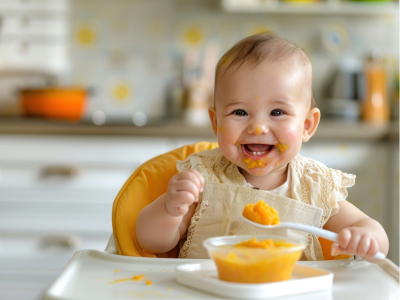
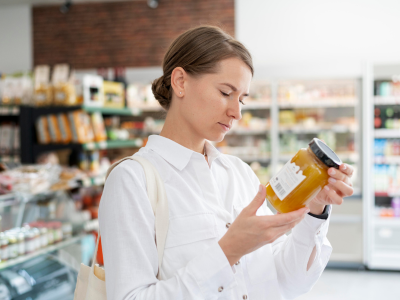
Consumer advocacy groups have lauded the administration for this bold intervention. They argue that the MAHA clean‑label standards protect children from neurodevelopmental risks associated with certain chemicals. Moreover, clear labeling helps parents make informed choices for their families. Since transparency is a core pillar of this initiative, the government plans to launch a public awareness campaign soon.
Critics of the policy raise concerns about potential price increases for shelf-stable goods. Nevertheless, proponents believe that market competition will eventually stabilize costs for clean-label products. As more brands adopt the MAHA clean‑label standards, economies of scale will likely benefit the average consumer. For now, the focus remains on ensuring that federal funds only support the highest nutritional standards.
In conclusion, the formal adoption of the MAHA clean‑label standards represents a seismic shift in public health policy. It signals to the global food market that the United States is prioritizing safety and purity. Manufacturers must now adapt quickly to these evolving expectations. Ultimately, this federal backing ensures that the MAHA clean‑label standards will define the future of American nutrition for years to come. Retailers and producers alike are watching closely as the implementation phase begins nationwide.