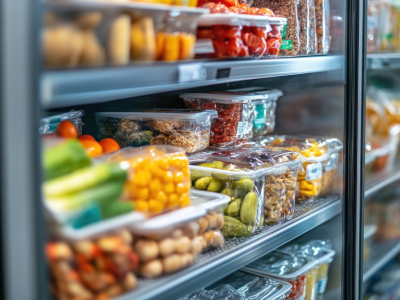

The modern food landscape is undergoing a massive structural transformation. Consumers no longer view snacking as a mere bridge between meals. Today, snacking represents a primary eating occasion. This shift is particularly evident in the refrigerated snacks market, which is projected to reach approximately US$93.13 billion by the end of 2034, says The Insight Partners. As busy lifestyles and health consciousness converge, the industry is witnessing a pivot toward DTC fresh snacking. This direct-to-consumer model allows brands to deliver nutrient-dense, chilled products without the friction of traditional retail.
This blog explores how Direct-to-Consumer (DTC) and Quick-Commerce (Q-Commerce) are redefining the fresh snacking experience globally. We will examine the drivers behind this growth and the immense value of refrigerated snacks.
The Strategic Shift to DTC Fresh Snacking
Direct-to-consumer models have fundamentally altered how brands engage with their audiences. In the past, fresh food faced significant logistical hurdles. Cold chain requirements made direct shipping difficult and expensive. However, technological advancements in insulated packaging and localized fulfillment have changed the game. DTC fresh snacking now provides a seamless bridge between premium producers and health-seeking consumers.
Brands can now bypass the traditional middleman to maintain absolute control over product quality. This is vital for refrigerated items like probiotic yogurts, protein-packed hummus, and fresh-cut fruit. By selling directly, companies ensure that products remain at optimal temperatures throughout the journey. Furthermore, this model fosters a deeper connection with the customer through personalized offerings.
Benefits of the Direct Model:
- Superior Freshness: Products travel from the production line to the doorstep with fewer stops.
- Data-Driven Customization: Brands use purchase history to recommend specific nutrient profiles.
- Brand Transparency: Consumers receive detailed information about ingredient sourcing and shelf life.
Quick-Commerce: Fulfilling the Need for Instant Gratification
While DTC focuses on the brand-consumer relationship, Quick-Commerce prioritizes speed. Q-commerce platforms now deliver refrigerated snacks in under 30 minutes. This on-demand economy caters to the impulse-driven nature of modern snacking. Statistics show that roughly 52.9% of quick-commerce users purchase snacks via these apps.
In major urban centers, dark stores act as hyperlocal fulfillment hubs. These micro-warehouses are equipped with sophisticated refrigeration systems. They store a curated selection of high-demand, chilled items ready for immediate dispatch. This infrastructure supports the grab-and-go lifestyle of professionals and students alike. It effectively eliminates the need for a physical trip to the grocery store.
Why Refrigerated Snacks are Winning the Market
The demand for refrigerated snacks is rooted in a global desire for clean-label products. Consumers are increasingly wary of artificial preservatives found in shelf-stable foods. Chilled snacks are perceived as more natural, fresher, and nutritionally superior.
- Functional Nutrition
Many refrigerated options offer functional benefits that shelf-stable products cannot match. Live cultures in yogurt and kombucha require constant cooling to remain effective. Fresh protein snacks, such as boiled eggs or premium deli meats, provide sustained energy. The DTC fresh snacking trend capitalizes on this by offering subscription boxes tailored to specific health goals.
- Premiumization and Quality
The cold aisle has become a destination for premium, artisanal food. High-quality ingredients often lack the chemical stabilizers needed for room-temperature storage. Therefore, refrigeration serves as a badge of quality. Consumers are willing to pay a premium for snacks that look, smell, and taste fresh.
A Global Perspective on Snacking Trends
Asia-Pacific region is experiencing the fastest growth. In India and China, the rapid expansion of digital payment systems fuels Q-commerce adoption. In Europe, the focus remains heavily on sustainability and plastic-free packaging. Many European DTC brands are innovating with biodegradable chilled packaging to meet strict environmental standards. Despite regional differences, the underlying theme is universal. People want healthy, fresh food delivered with minimal effort.
Overcoming Cold Chain Challenges
Delivering chilled products directly to homes is a logistical feat. The industry relies on a closed-loop cold chain to ensure food safety. Innovations in IoT-enabled sensors now allow brands to track temperatures in real-time. If a package exceeds a certain temperature, the system triggers an alert.
Moreover, the rise of DTC fresh snacking has spurred investments in sustainable cooling tech. Traditional Styrofoam is being replaced by recyclable paper-based insulation. These advancements make direct shipping both environmentally friendly and economically viable. As these technologies scale, the cost of refrigerated delivery will continue to decrease.
The Role of Data in Shaping Snacking Habits
The DTC model provides a goldmine of consumer data. Traditional retailers often hide individual purchase patterns from brands. In contrast, DTC fresh snacking companies see exactly what their customers want. They can identify when a customer is likely to run out of their favorite chilled protein bars. Brands use this data to reduce food waste and optimize inventory. Predictive analytics allow companies to prepare fresh batches based on anticipated demand. This efficiency ensures that consumers always receive the freshest possible product. It also helps brands develop new flavors and formats that align with current trends.
How Q-Commerce Boosts Impulse Purchases
Quick-commerce thrives on the I need it now mindset. It turns a craving into a completed transaction within minutes. This is particularly effective for refrigerated snacks like chilled coffee or gourmet cheese dips. When these items are available at the touch of a button, the barriers to purchase vanish. Recent studies indicate that Q-commerce drives an incremental demand of 6% to 8% in households. By providing instant access, these platforms expand the total market for fresh snacks. They capture sales that might have been lost due to the inconvenience of a store visit.
The United States market demonstrates the immense power of this ultra-fast delivery model. In 2025, the U.S. quick-commerce sector reached a robust valuation. Experts expect this figure to grow significantly through 2026 as micro-fulfillment centers expand. American consumers increasingly treat delivery apps as digital checkout counters for refrigerated items.
The Future of Fresh Snacking in 2026 and Beyond
As we move through 2026, the lines between DTC and Q-commerce will continue to blur. We expect to see more brand-exclusive partnerships with delivery platforms. Some DTC fresh snacking pioneers may even launch their own localized delivery fleets.
Sustainability will remain a top priority for the global consumer. Brands that master eco-friendly cold-chain logistics will gain a significant competitive advantage. Additionally, the integration of AI will further personalize the shopping experience. Imagine a refrigerator that automatically orders your favorite chilled snacks before you even realize they are gone.
Why You Should Embrace Refrigerated Snacks Today
The shift toward fresh, chilled food is more than just a fad. It is a fundamental change in how we nourish our bodies. Refrigerated snacks offer the perfect balance of convenience, taste, and nutrition. By choosing DTC fresh snacking options, you support brands that prioritize quality over shelf-life. Whether you are a busy professional or a fitness enthusiast, these products fit your lifestyle. They provide the me-time indulgence you crave without the guilt of processed ingredients. The era of the dusty, shelf-stable granola bar is over. The future of snacking is fresh, cold, and delivered directly to you.
Conclusion: The Cold Revolution is Here
The convergence of DTC and Quick-Commerce has unlocked a new world of possibilities. The inventory of a local grocery store no longer limits us. DTC fresh snacking brings the world’s best chilled treats to our doorsteps: technology, data, and a global commitment to better health drive this revolution. As the refrigerated snacks market continues its upward trajectory, the consumer remains the winner. We now have more choices, better quality, and faster delivery than ever before. It is time to clear some space in your fridge for the next generation of snacks.