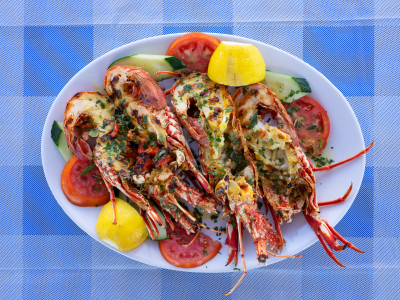

Modern life moves quickly, and most people juggle work, family, and personal commitments daily. However, healthy eating should never feel overwhelming. This is where frozen seafood steps in as a practical hero. It sits patiently in your freezer, ready to transform into a nutritious meal within minutes. More importantly, it supports balanced diets without demanding complicated preparation. Today, many households rely on convenient seafood options to simplify meal planning while maintaining strong nutrition standards.
The Evolution of Frozen Seafood
Frozen seafood has experienced a remarkable transformation in reputation. In the past, consumers often believed that fresh seafood automatically offered better quality. However, advances in flash-freezing technology changed that perception. Producers freeze seafood shortly after harvest, which helps lock in nutrients and preserve texture. As a result, frozen varieties often maintain comparable, and sometimes superior, nutritional value to products labeled as fresh.
Additionally, freezing preserves essential omega-3 fatty acids that support heart and brain health. Because these nutrients remain stable during proper freezing, frozen fish becomes a dependable source of dietary benefits. Furthermore, frozen seafood reduces food waste since consumers can cook only the portions they need. Consequently, convenient seafood options allow households to enjoy seafood regularly without worrying about spoilage.
Meal Kits and the Freezer Advantage
Meal kits have reshaped modern cooking habits by offering structure and convenience. They remove guesswork and provide pre-measured ingredients for home-cooked meals. Frozen seafood fits seamlessly into this trend because it offers flexibility and consistency. Many meal kits now feature frozen shrimp, salmon, or cod that cook quickly and evenly.
Moreover, frozen seafood supports busy weeknight schedules. A long workday often leaves little time for elaborate cooking. However, frozen shrimp can cook in under ten minutes, while salmon requires only a hot pan and simple seasoning. Because preparation remains straightforward, convenient seafood options complement the efficiency that meal kit users expect. As a result, home cooks can enjoy gourmet-style meals without extensive planning.
Nutritional Benefits for Healthy Lifestyles
Healthy lifestyles depend on balanced macronutrients and essential vitamins. Seafood provides high-quality protein that supports muscle maintenance and satiety. Unlike some red meats, many fish varieties contain lower levels of saturated fat. Therefore, incorporating seafood into weekly meals contributes to heart-conscious eating patterns.
Frozen salmon delivers omega-3 fatty acids that promote cardiovascular wellness. Meanwhile, frozen shrimp offers lean protein with relatively low-calorie content. Cod and other white fish supply important minerals such as iodine and selenium. Because these nutrients support metabolism and immune function, frozen seafood plays a meaningful role in overall health. Thanks to convenient seafood options, meeting dietary recommendations for seafood consumption becomes achievable for most households.
Affordability Without Compromise
Healthy eating often carries the misconception of being expensive. However, frozen seafood frequently proves more budget-friendly than fresh alternatives. Prices for fresh seafood fluctuate due to seasonality and transportation costs. In contrast, frozen products provide more consistent pricing throughout the year.
Additionally, frozen seafood minimizes waste. Fresh fish may spoil within days, which increases the risk of discarded food. Conversely, frozen varieties remain usable for extended periods when stored properly. As a result, families can manage grocery budgets more efficiently. By choosing convenient seafood options, consumers gain financial flexibility while maintaining nutritional quality.
Flavor, Versatility, and Culinary Creativity
Some skeptics still question whether frozen seafood delivers satisfying flavor. However, proper handling and cooking techniques ensure excellent results. Frozen seafood absorbs marinades and seasonings effectively, allowing cooks to experiment confidently with herbs, spices, and sauces.
For example, shrimp works beautifully in stir-fries, pasta dishes, and tacos. Salmon pairs well with citrus glazes or herb crusts. White fish adapts to Mediterranean, Asian, or Latin-inspired recipes. Because frozen seafood cooks quickly and consistently, it reduces the stress often associated with preparing fish. Consequently, convenient seafood options empower home cooks to explore diverse cuisines without feeling intimidated.
Sustainability and Responsible Consumption
Sustainability increasingly influences consumer decisions. Frozen seafood supports responsible consumption practices in several ways. Freezing extends shelf life and reduces spoilage throughout the supply chain. Therefore, fewer resources go to waste.
Moreover, freezing allows fisheries to distribute seafood efficiently across markets without relying solely on immediate sales. When consumers select certified sustainable products, they contribute to better environmental stewardship. In this way, convenient seafood options align with broader goals of reducing waste and promoting ethical sourcing.
Fitness, Meal Prep, and Consistency
Fitness-focused individuals often prioritize protein intake and balanced nutrition. Seafood offers an excellent source of lean protein that supports muscle recovery and overall performance. Frozen tuna steaks, salmon fillets, and shrimp provide practical options for structured meal planning.
Meal preparation becomes significantly easier with frozen seafood. Individuals can cook multiple portions at once and store them for the week ahead. Because frozen seafood remains accessible year-round, consistency improves. As a result, convenient seafood options help individuals maintain steady dietary habits that support long-term wellness goals.
Practical Tips for Everyday Use
Although frozen seafood simplifies cooking, proper techniques enhance results. Thaw seafood safely in the refrigerator or under cold running water. Avoid leaving it at room temperature to maintain quality. Before cooking, pat seafood dry to improve texture and browning. Season generously and experiment with flavors. Garlic, lemon, dill, paprika, and soy-based sauces complement seafood beautifully. With minimal effort, frozen seafood transforms into a satisfying meal. Ultimately, convenient seafood options encourage creativity while reducing preparation stress.
A Modern Staple for Balanced Living
Healthy living depends on sustainable habits rather than extreme changes. Incorporating seafood into weekly meals supports balanced nutrition and variety. Thanks to modern freezing methods and improved accessibility, frozen seafood fits naturally into everyday routines. Consumers no longer need to rely exclusively on fresh market visits to enjoy seafood. Instead, they can stock their freezers with reliable, nutrient-dense ingredients. As lifestyles continue to prioritize both efficiency and wellness, convenient seafood options remain a practical solution.
In conclusion, frozen seafood has evolved into a dependable partner for modern diets. It offers nutritional value, affordability, versatility, and sustainability in one accessible form. By embracing frozen seafood in everyday meals, individuals can support healthy lifestyles without sacrificing flavor or convenience.