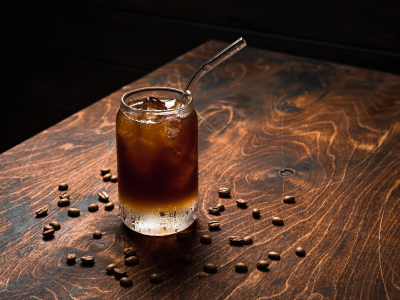

Brandy has always whispered of old-world charm. Yet today, the spirit feels strikingly modern. Travelers now want place, process, and personality in their glass. Enter Brandy tourism, where a tasting flight doubles as a cultural deep dive. You stroll through historic estates. You meet distillers who speak in oak and time. You sip stories. And yes, you collect breathtaking views along the way.
This travel-friendly, inspiration-driven guide maps the world’s most memorable brandy stops. You will find heritage houses, scenic backroads, and bold new craft producers. The tone is part playful, part practical, and fully global. Pack curiosity. Bring comfortable shoes. Above all, keep your palate open.
What Makes Brandy Tourism Special
At its best, Brandy tourism blends sensory education with effortless leisure. You do not only taste. You learn why grape varieties matter. You see how barrels breathe. You discover how climate shapes a spirit. Moreover, the experience often includes architecture, art, and regional cuisine. That mix turns a tour into a story you can remember.
Furthermore, brandy distilleries typically sit near vineyards or historic towns—consequently, your itinerary gains variety. One day, you explore cellars. Next, you wander through markets or cycle scenic lanes. The pace encourages reflection. Meanwhile, the aromas encourage joy.
How to Plan a Great Brandy Trip
A little structure elevates your journey. Consider these steps:
- Pick a region first, then a theme- Choose heritage, innovation, or scenery. Match the mood to your travel style.
- Book tastings early- Smaller houses fill quickly. Additionally, masterclasses sell out fast.
- Aim for shoulder seasons- Spring and autumn offer mild weather and relaxed schedules.
- Designate a driver, or stay nearby- Safety and enjoyment go hand in hand.
- Set a learning goal- For example, compare cask finishes, or explore grape varietals.
- Pack lightly- Leave suitcase room for a bottle or three.
With that foundation, Brandy tourism becomes smooth, engaging, and delightfully memorable.
France: Cognac—The Cathedral of Brandy
Cognac stands as a pilgrimage site. Historic maisons line quiet rivers and cobbled streets. Cellars reveal cobwebbed barrels and the “angel’s share” perfume. Moreover, terroir here tells a layered story. Ugni Blanc grapes deliver elegance. Distillation in copper captures delicacy. Long aging shapes depth.
Why go: World-class tasting programs, exquisite architecture, and refined hospitality.
What to book: A guided cellar tour, a blending workshop, and a food pairing lunch.
Insider tip: Compare Fine Champagne blends with Borderies expressions. You will spot floral nuances.
In Cognac, Brandy tourism showcases precision and patience. Every corridor whispers craft.
France Again: Armagnac—Rustic Soul, Singular Charm
Travel south-west and slow down. Armagnac feels elemental and intimate. Producers often remain family-owned. Distillation may occur in continuous alambics, yielding robust character. Consequently, vintages express remarkable individuality.
Why go: Vintage vertical tastings, farmstead hospitality, and countryside scenery.
What to book: An estate tour with barrel sampling and a village bistro pairing.
Insider tip: Try a single-varietal bottling to grasp grape influence more clearly.
Armagnac rewards travelers who love authenticity. Here, Brandy tourism becomes personal and earthy.
Spain: Jerez—Where Brandy Learns from Sherry
Jerez crafts brandy with a solera system. Barrels once held sherry, which adds layers of dried fruit and spice. Consequently, tours combine cellar theatrics with deep education. Additionally, flamenco, tilework, and seafood elevate your evenings.
Why go: Dynamic Solera cellars, cultural richness, and sun-drenched plazas.
What to book: A solera walk-through, a cask comparison, and tapas with brandy cocktails.
Insider tip: Seek a pairing with jamón ibérico to unlock savory-sweet harmony.
In Jerez, Brandy tourism blends tradition with rhythm. Your itinerary becomes a dance.
Armenia: Yerevan—Icons, Mountains, and Time in Oak
Armenia’s brandy story carries national pride. Historic producers set the stage with monumental cellars. You see brandy vaults and sweeping city views. Meanwhile, volcanic soils and high-altitude vineyards add distinction.
Why go: Powerful sense of place, strong culinary ties, and museum-quality cellars.
What to book: A heritage tour with old reserve tastings and a khorovats pairing.
Insider tip: Ask about local oak versus imported oak influences.
In Yerevan, Brandy tourism delivers grandeur and warmth in equal measure.
South Africa: Cape Winelands—Sun, Sea, and Serious Craft
The Cape Winelands offer dramatic scenery and meticulous distilling. Producers balance New World curiosity with classical methods. Moreover, you can thread Brandywine stops between wine estates. That combination makes planning effortless.
Why go: Mountain backdrops, farm-to-table dining, and polished visitor centers.
What to book: A brandy masterclass followed by a vineyard picnic.
Insider tip: Compare pot still brandies across different cask types.
Here, Brandy tourism thrives on landscape and innovation. Your camera roll will overflow.
United States: California—Artisanal Energy with Culinary Flair
California’s craft distillers experiment with grapes, yeasts, and casks. Napa and Sonoma contribute wine expertise. Meanwhile, urban distilleries energize tasting culture. Food pairings often shine, given the local produce.
Why go: Creative flight menus, culinary experiences, and design-forward spaces.
What to book: A behind-the-scenes tour with a seasonal tasting menu.
Insider tip: Seek micro-batch releases for experimental finishes.
California turns Brandy tourism into a modern playground. Curiosity leads every step.
Germany: The Rhine and Beyond—Precision Meets Orchard Magic
Germany’s distilling tradition includes grape and fruit brandies. You will see immaculate facilities and tidy barrel halls. Furthermore, seasonal festivals enhance the trip. Villages add charm, and train travel helps logistics.
Why go: Technical excellence, scenic towns, and well-run visitor programs.
What to book: A comparative tasting across grape and fruit distillates.
Insider tip: Combine a river cruise with regional tasting appointments.
With German efficiency, Brandy tourism stays smooth and structured.
Australia: Cool-Climate Craft and Bold Experiments
Australia brings fearless creativity to Brandy. Distillers play with local oak and climate control. Cellar doors range from rustic sheds to sleek lounges. Moreover, food culture supports excellent pairings.
Why go: Innovative methods, friendly hospitality, and varied landscapes.
What to book: A cask-strength tasting and a cheesemaker visit.
Insider tip: Try side-by-side tastings of young versus mature expressions.
In Australia, Brandy tourism celebrates possibility. The frontier spirit remains alive.
India: Heritage, Hospitality, and a Growing Curiosity
India’s relationship with Brandy spans decades. Today, select producers invest in quality and visitor experiences. You may tour facilities close to vibrant culinary hubs. Additionally, spice-forward cuisine pairs beautifully with oak-kissed profiles.
Why go: Warm hospitality, lively cities, and memorable food pairings.
What to book: A guided tasting with regional dessert pairings.
Insider tip: Ask for spice-oriented cocktail serves to explore balance.
Here, Brandy tourism becomes flavorful and festive. Your senses stay engaged.
Portugal and Greece: Sunshine, Storytelling, and Seaside Charm
Across Southern Europe, you meet family producers and coastal vistas. You sip brandy after grilled seafood or citrus-laced salads. Moreover, local customs enrich the ritual. Slow lunches define the pace.
Why go: Sunny climates, hospitable towns, and layered histories.
What to book: A cellar walk followed by a seaside dinner.
Insider tip: Ask about indigenous grape varieties and local oak choices.
With Mediterranean ease, Brandy tourism invites lingering conversations.
Tasting Like a Pro (Without the Fuss)
A little technique goes a long way:
- Look: Hold the glass to the light. Note color depth and clarity.
- Swirl: Gently coax aromas from the surface.
- Smell: Take short sniffs. Identify fruit, spice, vanilla, and rancio.
- Sip: Let it coat the tongue. Notice texture and balance.
- Breathe: Exhale through your nose after swallowing.
- Note: Jot impressions. Patterns will appear across regions.
Use water between pours. Additionally, eat light snacks to reset your palate. Above all, pace yourself. With mindful steps, Brandy tourism becomes both refined and fun.
Food Pairings That Sing
Brandy loves company. Try dark chocolate, hard cheeses, roasted nuts, and stone fruit tarts. Additionally, explore savory matches. Think charred lamb, mushroom risotto, or aged ham. Cocktails can open a meal. Meanwhile, neat pours close it with grace.
Ask each distillery for local pairings. You will taste terroir from two directions. Consequently, you deepen understanding and delight.
Sustainability Matters
Many travelers want greener journeys. Fortunately, distillers increasingly adopt responsible practices. You may see water recycling, renewable energy, or lighter glass. Some houses support organic farming or biodiversity projects. Moreover, visitor centers now reduce single-use plastics.
When booking, review sustainability pages. Alternatively, ask staff during tours. Your interest encourages better choices. Over time, Brandy tourism can help shift industry norms.
Itinerary Ideas You Can Steal
The Classic Heritage Circuit (7–10 days):
Cognac → Armagnac → Jerez. You will trace oak, terroir, and time. Add a day for gastronomy in each region.
The Southern Hemisphere Sampler (8–12 days):
Cape Winelands → Australia’s cool-climate hubs. Mix dramatic scenery with experimental casks.
The New World Craft Trail (5–7 days):
California’s urban and wine-country distilleries. Include farmers’ markets and design hotels.
The Caucasus and Culture Route (4–6 days):
Yerevan’s storied houses plus city museums. Close with a mountain day trip for views.
With these options, Brandy tourism adapts to your calendar. You select the pace and flavor.
Budgeting and Bottles
Plan for tasting fees, transport, and shipping. Some distilleries can ship purchases home, which simplifies travel. Alternatively, pack a protective bottle sleeve. Additionally, consider duty allowances before splurging. Set a bottle budget per region. This approach avoids decision fatigue. Moreover, it keeps luggage drama minimal. A curated trio can tell a complete story. Your shelves will thank you. The Brandy tourism has made people fall in love with the spirit, which is affecting the market in a positive way. The global Brandy Market is growing steadily at a CAGR of 4%.
Bringing the Journey Home
After travel, recreate tastings with friends. Build flights that compare regions and casks. Additionally, serve small plates matched to each pour. Rotate hosts to explore new themes. You will keep memories alive and palates sharp.
Moreover, track notes in a simple journal. Over months, your understanding will deepen. The arc from novice to confident taster feels rewarding. In that way, Brandy tourism never truly ends.
Final Sips: Your Bucket List Awaits
The world of Brandy invites wonder. Historic French cellars deliver elegance and poise. Spanish soleras bring drama and depth. Armenian halls offer heritage and heart. Meanwhile, South Africa and Australia showcase scenic innovation. California adds culinary verve. Germany ensures technical polish. India brings warmth and spice.
Wherever you begin, start with curiosity. Book a thoughtful tour. Ask better questions. Taste with patience. Then let the journey expand. After all, Brandy tourism rewards those who seek connection. It offers culture in a glass and time in a bottle. Most importantly, it gives travelers a delicious reason to go somewhere beautiful.
Pack the passport. Charge the camera. Reserve your tastings. Your next unforgettable pour is closer than you think.