
The new Zoox Uber partnership marks a major step in the race to bring autonomous rides to everyday travelers across the United States. The deal will soon allow riders in Las Vegas and Los Angeles to request Zoox robotaxi rides directly through the Uber app, giving Amazon’s self‑driving unit a wider audience as the robotaxi market grows faster across North America. The move signals increasing interest in automated mobility and highlights the next chapter of competition in the ride‑hailing industry.
Robotaxi expansion has accelerated in several U.S. states as companies push for larger fleets, new permits, and more passengers. Demand rose sharply in 2025 and early 2026 as travelers grew more familiar with driverless systems. Cities like Phoenix, Austin, and Las Vegas became early testing grounds, and now more companies want to bring autonomous ride‑hailing to major metro areas.
The partnership, announced Wednesday, will begin in Las Vegas this summer. Uber will then add driverless rides in Los Angeles next year. Zoox will continue offering trips through its own app as well. The agreement is the first time the Amazon Zoox robotaxi service will appear on another platform, and it places the company alongside several global players who already use large ride‑hailing networks to reach more customers.
Zoox CEO Aicha Evans said the partnership shows growing confidence in the company’s technology. She added that Uber’s wide reach offers a faster path to scale. Her statement also reflects the rapid expansion of the robotaxi market, which is growing as cities across North America approve larger fleets and riders become more familiar with autonomous services. This new strategy comes after years of development, testing, and limited public access.
Uber, meanwhile, wants more autonomous vehicles on its platform. Executives have argued that makers of Uber autonomous vehicles gain much higher usage when riders can hail them through familiar apps. CEO Dara Khosrowshahi said during Uber’s February earnings call that AVs on Uber see stronger demand compared to rides booked on stand‑alone platforms.
Uber aims to offer driverless rides Uber in 15 cities by the end of 2026. It already operates autonomous trips in Atlanta, Austin, Dallas, and Phoenix with different partners. The company also runs driverless options in several Middle East cities. This new arrangement with Zoox gives Uber another path to expand within the U.S. Zoox began giving free rides last year around the Las Vegas Strip and in parts of San Francisco while awaiting permission to charge riders. The company said it has served more than 300,000 passengers. It expanded testing this month in several southern U.S. cities, showing that it wants a broader footprint before fully commercial deployment.
The Zoox vehicle, often called the toaster, features sliding doors, a low entry step, and seats facing each other. It can reach 75 miles per hour but usually travels far slower within city areas. The company is now seeking an exemption from U.S. regulators to operate up to 2,500 vehicles commercially. The National Highway Traffic Safety Administration opened the petition for public comments on Tuesday.
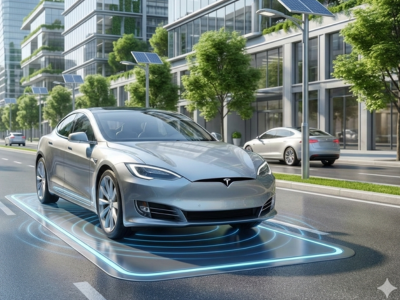
Although Zoox is backed by Amazon, it remains behind Alphabet’s Waymo, which leads the U.S. autonomous ride‑hailing service market. Waymo recently passed 400,000 weekly rides across six major metro regions and plans to expand to London and Tokyo next year. Meanwhile, competitors in Asia, such as Baidu’s Apollo Go and WeRide, continue to grow quickly. Baidu said its peak weekly rides hit 300,000 in the fourth quarter. Tesla joined the field as well with a small robotaxi test fleet in Austin. The company also introduced a separate app and service focused on its own driverless cars.
The robotaxi partnership between Zoox and Uber arrives as autonomous vehicles become more familiar to American travelers. More commuters now understand how these services work, and their popularity could challenge Uber’s traditional business over time. Still, the new deal shows Uber’s willingness to shift alongside the industry instead of resisting it.
Zoox’s progress also highlights Amazon’s long-term investment in mobility technology. The company bought Zoox in 2020 and has backed years of development. Now, with its first fleet entering more cities, the robotaxi service enters a competitive but promising phase. With the Zoox Uber partnership, both companies hope to reach far more riders as driverless travel expands across the U.S. The agreement sets the stage for a broader shift in how Americans move through cities, and it gives Zoox a clearer path toward large‑scale adoption.