
Lean meat has become an essential component of balanced nutrition plans worldwide today. It offers high-quality protein with reduced fat content for healthier eating habits. Moreover, lean meat supports fitness goals, weight management, and overall metabolic health efficiently. As dietary awareness increases, people actively choose lean meat for long-term wellness benefits consistently. In fact, lean meat helps individuals maintain nutrient intake without excessive saturated fat consumption effectively. Therefore, understanding lean meat becomes crucial for anyone aiming to improve dietary quality significantly.
Recent nutritional research based on loss-adjusted agricultural supply data and dietary recall studies provides a clearer picture of real-world meat consumption patterns. In the United States, individuals aged 2 years and older consume approximately 4.4–5.9 oz (125.9–166.5 g) of total meat per day. Within the broader USDA Protein Foods Group, total intake ranges around 6.2–7.4 oz-equivalents (175.2–209.4 g-eq) daily, where meat forms the majority share of protein consumption. Notably, red and processed meats make up most of total meat intake, highlighting the importance of choosing leaner alternatives for better long-term health outcomes.
Additionally, nutrient supply data suggest that meat contributes roughly 43.1% of the total protein available in the US food supply. However, when more accurate dietary recall methods are used, average per capita protein intake is estimated at 79.9 g per day. These findings reinforce the importance of making smarter protein choices, especially emphasizing lean meat as a healthier and more balanced option.
What Is Lean Meat?
Lean meat refers to meat cuts containing low levels of fat naturally. According to nutrition guidelines, lean meat contains less than ten grams of fat per hundred-gram serving. Additionally, it includes limited saturated fat and cholesterol, making it heart-friendly. Common lean meat sources include poultry, fish, pork loin, and selected beef cuts. Therefore, lean meat provides protein while minimizing unnecessary fat intake in daily diets.
Lean meat typically consists of high protein content, supporting muscle repair and growth. Moreover, it contains essential vitamins like B12, iron, and zinc. These nutrients support energy production, immune strength, and red blood cell formation effectively. However, lean meat contains significantly lower fat compared to processed or fatty cuts. Consequently, it delivers balanced nutrition without excessive calorie burden for consumers.
Why Lean Meat Matters for Health
Supports Heart Health
Lean meat contributes positively to cardiovascular health when consumed in moderation regularly. It reduces saturated fat intake, which helps lower bad cholesterol levels effectively. Additionally, lean meat supports arterial health by preventing excessive fat buildup. As a result, it decreases the risks of heart disease and related complications significantly. Therefore, lean meat becomes a smart choice for heart-conscious individuals today.
Helps in Weight Management
Lean meat plays a crucial role in maintaining a healthy body weight consistently. It provides high protein content, which increases satiety and reduces hunger cravings. Moreover, protein helps preserve muscle mass during calorie-restricted diets effectively. Consequently, individuals experience better fat loss while maintaining energy levels throughout the day. Thus, lean meat supports sustainable weight management goals efficiently.
Enhances Muscle Growth and Recovery
Athletes and fitness enthusiasts benefit greatly from lean meat consumption regularly. It supplies amino acids essential for muscle repair after physical activity. Additionally, lean meat accelerates recovery time after intense workouts or training sessions. Therefore, it supports strength building and performance improvement consistently over time. As a result, lean meat remains a preferred protein source among active individuals.
Popular Types of Lean Meat
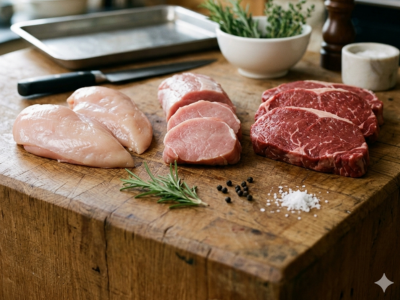
- Poultry Options: Chicken breast and turkey breast are widely recognized lean meat sources today. They contain high protein with minimal fat, especially when the skin is removed. Moreover, they are versatile and fit into multiple cuisines easily. Therefore, poultry remains one of the most accessible lean meat choices globally.
- Lean Beef Cuts: Certain beef cuts qualify as lean meat when trimmed properly. Examples include sirloin, round steak, and tenderloin varieties commonly available. These cuts provide rich iron content with controlled fat levels effectively. However, preparation methods influence their overall health benefits significantly. Therefore, grilling or roasting works best for lean beef consumption.
- Pork and Other Sources: Pork loin and tenderloin are excellent lean meat options for balanced diets. Additionally, fish such as cod and tuna offer lean protein with omega-3 benefits. These alternatives provide variety while maintaining low-fat intake consistently. Consequently, individuals can diversify protein sources without compromising health goals.
Health Benefits of Lean Meat Consumption
Lean meat supports efficient metabolism due to its high protein content. Protein requires more energy for digestion, increasing calorie burning naturally. Moreover, it stabilizes blood sugar levels and reduces energy crashes effectively. Therefore, lean meat contributes to sustained metabolic efficiency throughout the day.
Lean meat contains essential micronutrients that strengthen immune responses significantly. Iron and zinc play critical roles in immune cell production and function. Additionally, vitamin B12 supports neurological health and overall body performance. Consequently, regular intake of lean meat improves defense mechanisms against illnesses.
Research shows that replacing fatty meats with lean meats reduces disease risks. It lowers the chances of obesity, cardiovascular disease, and certain cancers effectively. Moreover, it encourages balanced nutrient intake and healthier lifestyle habits. Therefore, lean meat becomes a preventive dietary choice for long-term health.
How to Choose and Prepare Lean Meat
Choosing lean meat requires attention to visible fat and labeling standards. Cuts labeled loin or round typically indicate lower fat content naturally. Additionally, selecting meat with minimal marbling ensures healthier nutritional profiles. Therefore, consumers should prioritize lean labeled options when shopping for meat. Cooking methods significantly impact the nutritional value of lean meat. Grilling, baking, and steaming preserve nutrients without adding excess fats. Moreover, trimming visible fat before cooking improves overall health benefits further. Consequently, avoiding frying helps maintain the lean quality of meat effectively.
Even lean meat requires mindful consumption for balanced nutrition outcomes. Current dietary evidence suggests that while meat contributes significantly to protein intake, overall consumption patterns, especially of red and processed meats, should be moderated for long-term health. Experts recommend moderate portions to avoid excessive protein intake daily. Additionally, combining lean meat with vegetables improves dietary balance significantly. Therefore, portion awareness ensures optimal health benefits consistently.
Making Lean Meat a Lifestyle Choice
Lean meat stands as a powerful protein source for modern healthy diets today. It supports heart health, muscle growth, and weight management effectively. Moreover, lean meat reduces risks associated with high-fat consumption consistently. When viewed alongside national dietary data, it becomes clear that protein intake is already substantial in many populations, making the quality of protein choices more important than quantity alone.
By choosing lean meat wisely, individuals improve long-term wellness outcomes significantly. Therefore, adopting lean meat as a dietary staple leads to healthier and more balanced living overall.