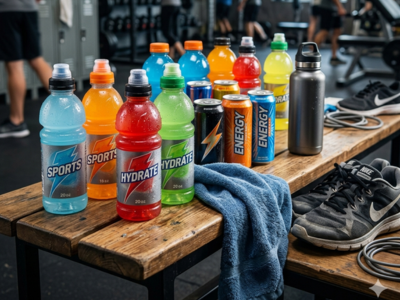

The sports and energy drinks market continues to expand rapidly across North America because consumers increasingly prioritize convenience, hydration, and daily performance support. These beverages were originally designed for professional athletes needing hydration and stamina during intensive physical training and sporting competitions. However, modern consumers now purchase sports and energy drinks for mental alertness, lifestyle support, fitness recovery, and everyday energy management. So this category has become one of the most robust growth factors in the non-alcoholic beverage industry overall in North America. Companies, therefore, are investing heavily in innovation, strategic partnerships, and healthier formulations to maintain strong market positions and consumer loyalty.
North America Leads the Global Market
North America remains one of the most influential and competitive regions within the global sports and energy drinks industry because consumer demand continues to increase steadily. The United States dominates this market through established beverage infrastructure, strong distribution networks, and widespread awareness of major beverage brands. Additionally, consumers across the region increasingly seek beverages supporting active lifestyles, improved wellness, and enhanced physical or mental performance throughout daily routines. As a result, sports and energy drinks are now widely available in supermarkets, gyms, convenience stores, and online retail platforms.
Large multinational companies continue to control significant shelf space and market visibility across North America. However, smaller brands frequently enter the industry with innovative products targeting niche consumer preferences and emerging wellness trends. Therefore, the market remains highly dynamic despite the presence of dominant global beverage corporations with strong financial and operational resources. New competitors often focus on plant-based ingredients, organic formulations, or functional wellness benefits that appeal to younger and health-conscious consumers.
In addition, social media marketing and influencer collaboration still influence consumer purchase behavior in the sports and energy drinks industry. Fitness influencers, athletes, and wellness creators are constantly introducing consumers to new products that help facilitate a healthier lifestyle on digital platforms. As a result, beverage companies are pairing product innovation with aggressive digital marketing strategies to increase brand engagement and extend their market reach.
Innovation Continues Reshaping Consumer Preferences
Innovation has become one of the most important competitive factors within sports and energy drinks due to the constantly changing consumer preferences. For instance, the U.S. energy drinks market alone creates revenues above $20 billion per year, while the broader category of functional beverages produces more than $50 billion. Hence, modern companies invest heavily in innovation, especially in the direction of healthy formulas and unique health advantages.
Leading beverage companies, including Red Bull, Monster Energy, PepsiCo, and The Coca-Cola Company, are still introducing new formulations that are in line with evolving consumer needs and wellness expectations. Also, sports and energy drinks are fortified with vitamins, electrolytes, natural caffeine, adaptogens, and plant-based ingredients for better health benefits and optimized performance.
Drinks that are low in sugar and contain no sugar are booming in popularity as consumers are becoming more wary of products with too many calories and artificial sweeteners. So, beverage manufacturers continue to reformulate products and focus on ingredient transparency and healthier nutritional profiles in marketing campaigns. Today’s consumers are more discriminating when it comes to ingredient labels, especially when choosing functional beverages that support their fitness, hydration, and recovery goals.
Strategic Distribution Supports Market Growth
Distribution is a key element in the sports and energy drinks market because the availability of a product has a large impact on customers’ buying decisions and brand awareness. Big beverage companies leverage their strong retailer relationships to secure premium shelf placement in supermarkets, convenience stores, and fitness centers across North America. This type of strategic placement can boost product visibility and motivate impulse buying by consumers looking for fast ways to hydrate and energize themselves for their busy schedules.
Additionally, brands increasingly integrate omnichannel distribution strategies combining traditional retail operations with expanding e-commerce and direct-to-consumer platforms. Consumers now regularly purchase beverages online because digital platforms provide convenience, personalized recommendations, and subscription-based purchasing options supporting long-term customer engagement. Therefore, companies continue strengthening online retail presence alongside traditional physical distribution strategies to maximize accessibility and revenue growth opportunities.
Also, partnerships with gyms, sporting organizations, wellness events, and lifestyle platforms have been key distribution and marketing extensions for beverage companies. Partnerships like these help brands fit their products naturally into consumers’ fitness routines and health-centric lifestyles. Athlete endorsements and sports sponsorships are also crucial in enhancing brand credibility and consumer confidence in highly competitive beverage markets.
Recent Developments Strengthen Industry Expansion
Several recent industry developments highlight how companies continue expanding their presence within the rapidly evolving sports and energy drinks market. In May 2026, Herbalife Ltd. launched its “Fuel Like Ronaldo” campaign, promoting elite athlete nutrition strategies for everyday wellness-focused consumers. This initiative demonstrates how companies increasingly position sports nutrition products beyond traditional athletic audiences and toward broader lifestyle markets.
In December 2025, Abbott introduced Ensure Max Protein 42g and Ensure Max Protein 2 in 1 Muscle Support products, supporting muscle health, recovery, and healthy aging objectives. These launches reflect growing consumer interest in functional nutrition supporting long-term wellness and physical performance across different age groups. Meanwhile, in May 2025, PepsiCo announced a worldwide partnership with Formula One involving Sting Energy, Gatorade, and Doritos brands. This partnership highlights the way in which global beverage firms use international sport partnerships to increase their visibility and engage diverse consumer audiences worldwide.
Future Outlook for the Market
The evolution of the sports and energy drinks industry will depend on the increased focus of consumers on health, transparency, sustainability, and lifestyle wellness solutions while shopping. Consumers no longer require beverages that give only a temporary boost or hydrate them during their physical activities. Now they desire beverages that help them maintain balanced lifestyles and performance.
Consequently, companies will likely continue to focus significantly on innovation, strategic acquisition, and new wellness-oriented drink categories that serve specialized consumer needs. The larger corporations will be required to diversify their portfolio through mergers and acquisitions, whereas the smaller companies will need to remain concentrated on securing their niche market through innovative products. Also, formulations based on plants, premium beverages, and functional ingredients could provide considerable opportunities in North America.
Overall, the sports and energy beverage industry is steadily evolving to become more health-oriented and consumer-centered while emphasizing innovations. Such evolution is expected to generate future business opportunities for those companies that manage to combine convenience, health benefits, sustainability, and product performance within highly competitive global beverage markets.