
A quiet transformation is unfolding within the modern mobility landscape. As urban infrastructure grows increasingly intricate, a sophisticated integration has emerged to dismantle the long-standing barriers of manual toll handling. This partnership functions as a silent, high-performance engine, replacing fragmented data and delayed reconciliations with a seamless, automated flow of information. By embedding specialized intelligence into every journey, the collaboration ensures that tracking and pricing occur with mechanical precision. This shift signals a digital era where speed and transparency define the competitive edge. In this blog, we will discuss the technical foundations and operational impacts of this shift. What does the Lyft MapUp Partnership mean for toll intelligence
How the Partnership Reflects Broader U.S. Mobility Tech Market Trends
The United States is leading the way in mobility technology, as companies invest in automation and data-driven infrastructure. The Lyft MapUp partnership is part of this move toward smarter transportation software that focuses on efficiency and transparency. Fleet operators now want systems that use real-time data, cut down on costs, and make operations clearer. At the same time, the expansion of fleet management ecosystems shows a clear trend toward AI-powered tools and connected mobility platforms. Companies are moving away from manual processes and embracing digital toll management systems that align with rising urban congestion and fuel costs. This transition supports a wider push toward intelligent mobility frameworks that can scale across cities and regions without friction.
How Lyft and MapUp Are Transforming Toll Management
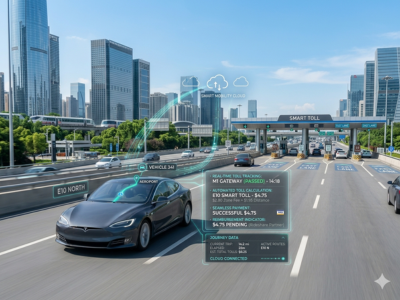
The Lyft MapUp partnership now plays a key role in making toll handling easier for large ride-sharing networks. It started as a simple integration but has grown into a system that calculates tolls in real time and automates the process. MapUp’s technology makes sure toll charges are recorded accurately and show up right away in the ride experience.
- Real-time toll calculation using GPS-based toll tracking
- Automated toll reimbursement for drivers without delays
- Transparent pricing breakdowns for riders within receipts
- Reduced manual intervention across fleet operations
This change shows that mobility platforms are moving toward automation first. It helps Lyft run more efficiently and keeps every toll-related transaction clear.
What Toll Intelligence Means for Rideshare Pricing Transparency
Clear pricing is now a key part of the rideshare experience, and the Lyft MapUp partnership meets this need well. By adding toll intelligence directly into each ride, Lyft makes sure every charge is clear and predictable. Riders don’t get surprised by extra tolls after their trip. This clarity builds trust across the platform and reduces disputes that arise from unclear billing. It also aligns with broader expectations in digital mobility services, where users demand accurate, real-time cost visibility. As toll networks expand across urban regions, such transparency becomes essential for maintaining user confidence and platform reliability.
How Automated Toll Reimbursement Improves Driver Experience
For drivers, dealing with tolls has often been a hassle, with delays and manual claims. The Lyft MapUp partnership takes away this problem by offering real-time, automated toll reimbursement. Payments are made using verified trip data, so drivers get paid accurately without extra work.
- Instant reimbursement based on GPS-based trip verification
- Elimination of manual toll tracking and documentation
- Reduced financial uncertainty during high-frequency trips
- Improved earnings predictability for drivers
This change makes drivers more satisfied and helps keep them on the platform. It also shows that AI-powered fleet management is improving to better support the people who keep mobility platforms running.
Why GPS-Based Toll Tracking Is Critical for Fleet Efficiency
GPS-based toll tracking is central to the Lyft MapUp partnership. It allows for accurate mapping of routes and tolls. By collecting real-time trip data, the system keeps a reliable record of toll use, which goes straight into billing and reimbursements. This method removes problems caused by late toll reports or manual entries. It also helps Lyft manage fleet costs by spotting patterns in routes with lots of tolls and adjusting prices as needed. As mobility networks get more complex, this kind of data accuracy is crucial for staying efficient.
How MapUp Powers Real-Time Toll Calculation at Scale
Scaling up is a big challenge in today’s transportation systems, and the Lyft MapUp partnership tackles this with advanced mobility software. MapUp’s platform handles huge amounts of trip data, making it possible to calculate tolls in real time for millions of rides. The system works with navigation and toll networks to analyze every route accurately. This helps Lyft expand into new areas, even where tolls are very different. By keeping accuracy high everywhere, the platform makes sure toll management stays reliable, no matter how big or complex things get.
What the Partnership Signals for Autonomous Mobility Infrastructure
The future of mobility depends on autonomous systems, and the Lyft MapUp partnership is important in this shift. Self-driving fleets need accurate, software-based systems to handle costs and operations without people involved. In this setting, toll intelligence is essential. With real-time data and automated billing, the partnership sets up the infrastructure needed for autonomous vehicle networks. It keeps toll handling accurate and efficient, even as systems move toward driverless cars. This helps Lyft get ready for the wider use of autonomous technology.
How Toll Automation Is Shaping the Future of Transportation
Toll automation is a defining feature of next-generation mobility platforms. The Lyft MapUp partnership shows how transportation systems are evolving toward connected, data-driven ecosystems that prioritize efficiency and transparency. As cities expand toll networks and mobility demand rises, automated systems will play a larger role in managing costs and optimizing routes. This shift supports the transition toward software-driven transportation, where AI and real-time analytics guide decision-making. It also highlights the importance of integrated platforms that can handle complex operational tasks without slowing down the user experience.
Future Insights
The way the Lyft MapUp partnership is developing points to a future where toll intelligence is standard on mobility platforms worldwide. As transportation systems connect more closely, the need for accurate, automated toll management will keep growing. In the future, using AI for toll analytics, real-time data, and scalable systems will shape how fleets work in complex settings. The partnership shows that mobility companies are investing in solutions for today’s problems and getting ready for a more automated, data-driven future.