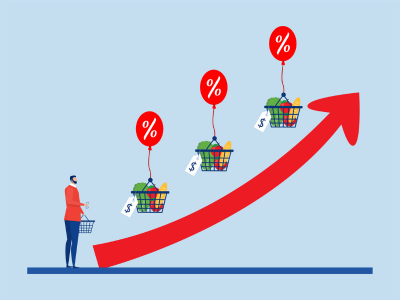

Global markets are facing severe pressure as the conflict in the Middle East escalates. This situation creates a direct war impact on U.S. retail sectors across the nation. Economists warn that energy costs and logistics hurdles will soon raise prices for average consumers. Energy prices surged immediately after the initial military strikes occurred in late February 2026. Brent crude oil prices jumped past $100 per barrel within days of the outbreak.
The primary driver of the war's impact on U.S. retail remains the soaring cost of transportation fuel. Gasoline prices at American pumps rose by approximately 15 cents per gallon in a single week. Furthermore, diesel prices for heavy-duty trucks have increased by nearly 25% since the conflict began. Because trucks move the vast majority of consumer goods, these higher freight costs will inevitably hit store shelves. Retailers must now account for expensive shipping surcharges when they restock their inventories.
The effective closure of the Strait of Hormuz has crippled global maritime trade routes significantly. This narrow waterway handles roughly 20% of the world's seaborne oil and liquefied natural gas. Moreover, the strait serves as a critical corridor for industrial commodities like aluminum and fertilizer. When shipping lanes become unstable, insurance premiums for cargo vessels rise sharply. Many shipping lines now divert their vessels around the Cape of Good Hope to ensure safety. This detour adds thousands of miles and millions of dollars in extra fuel expenses per voyage.
The war's impact on U.S. retail extends far beyond the gas station or the heating bill. Manufacturing sectors rely heavily on petrochemical feedstocks and plastics produced in the Middle East region. A slowdown in these exports can trigger shortages for pharmaceutical ingredients and electronic components. Consequently, retailers may soon face a lack of supply for specialty food items and high-tech gadgets. Analysts predict that electronics and appliance prices could rise if the logistics bottlenecks persist through the spring.
The agricultural sector also feels the strain of the conflict through the rising cost of fertilizers. Middle Eastern countries supply a significant portion of the nitrogen and phosphate used by American farmers. If fertilizer prices remain elevated during the spring planting season, food prices will likely climb by late 2026. Retailers in the grocery sector are already monitoring these input costs to adjust their future pricing strategies.
High energy prices often act as a hidden tax on the household budgets of American families. When consumers spend more on fuel, they typically reduce their discretionary spending on clothing and electronics. Therefore, the war's impact on U.S. retail involves both higher prices and potentially lower sales volumes. Financial markets have reacted with volatility, which further erodes consumer confidence in the broader economy.
Recent data suggests that headline inflation could rise by 0.60 percentage points if oil stays near $100 per barrel. This renewed inflationary pressure complicates the efforts of the Federal Reserve to stabilize the national economy. Retailers face a difficult choice between absorbing these costs or passing them directly to their customers. In many cases, businesses have already begun reassessing their marketing budgets to preserve their profit margins.
The long-term war impact on U.S. retail will depend on the duration of the military engagement. A short conflict might allow energy markets to stabilize before significant price hikes reach the retail level. However, a prolonged war threatens to make these high costs a permanent feature of the marketplace. For now, American shoppers should prepare for a gradual increase in the cost of living as global shocks reach local stores.