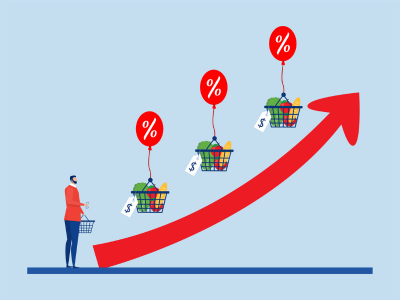

The ongoing Iran conflict has triggered a severe disruption in global fertilizer shipments, raising alarms regarding Global food price inflation in 2026. Experts warn that the effective closure of the Strait of Hormuz is creating a massive bottleneck for essential agricultural inputs. This waterway serves as the primary exit point for nearly one-third of the urea traded across the globe (Arita et al., 2026). Consequently, the sudden halt of these shipments directly threatens the stability of the international food supply chain.
Major regional exporters, including Saudi Arabia, Qatar, and the United Arab Emirates, depend on this route to reach international markets. These nations represent a critical hub for nitrogen-based fertilizers, which are vital for high-yield crop production. Because nitrogen production relies heavily on natural gas, the energy spike caused by the conflict further compounds the crisis. Specifically, the price of urea in key markets like Egypt surged from $485 to $665 per ton shortly after the escalation began (Arita et al., 2026). This rapid increase reflects the deep anxiety currently gripping the agricultural sector.
Furthermore, the disruption extends beyond nitrogen to include phosphate and sulfur exports. The Persian Gulf region accounts for approximately 44% of the global seaborne sulfur trade (Arita et al., 2026). Since sulfur is a necessary component for manufacturing phosphate fertilizers, its absence will eventually lower crop yields worldwide. Therefore, the lack of these inputs creates a cascading effect that mirrors the supply shocks seen in previous geopolitical crises. Farmers in major agricultural hubs, such as Brazil and India, now face extreme difficulty in securing affordable nutrients for their fields.
In addition to supply shortages, the conflict has caused a dramatic rise in logistics and insurance costs. Commercial shipping through the Gulf has virtually stopped as major insurers canceled war-risk coverage following military strikes. Shipping giants like Maersk and Hapag-Lloyd have suspended their operations in the region to protect their vessels and crews. As a result, many carriers must reroute around the Cape of Good Hope, adding significant time and expense to every journey. These increased freight rates contribute heavily to the mounting pressure of Global food price inflation in 2026.
Moreover, the timing of this conflict is particularly damaging for the Northern Hemisphere's planting season. Farmers typically require high volumes of fertilizer during March and April to ensure healthy crop development. If they cannot obtain these inputs, they may choose to reduce their planting acreage or apply fewer nutrients. Either decision will lead to lower harvests and higher prices for consumers at the grocery store. Thus, the current geopolitical tension is transforming into a tangible threat to global food security.
Transitioning to the broader economic impact, the rise in fertilizer costs often precedes a spike in basic commodity prices. Staple crops like corn and wheat require intense fertilization to meet the demands of a growing population. When the cost of production rises, the price of bread, meat, and dairy products inevitably follows. Economists emphasize that the energy and fertilizer sectors are inextricably linked to the cost of calories. Consequently, the world may face a period of sustained price hikes if the Strait of Hormuz remains blocked.
Finally, international agencies are calling for immediate diplomatic efforts to reopen these critical trade routes. Without a swift resolution, the risk of Global food price inflation in 2026 could destabilize vulnerable economies that rely on food imports. Stability in the Middle East is no longer just a regional concern but a necessity for global nutrition. World leaders must recognize that energy security and food security are two sides of the same coin. Only through cooperation can the global community prevent a localized conflict from becoming a worldwide hunger crisis.