
UCB has formed a new strategic alliance with Cancer Research UK and Cancer Research Horizons to accelerate the development of novel cancer therapies. The collaboration aims to strengthen oncology research while advancing promising investigational treatments into clinical development stages.
The Belgium-based biopharmaceutical company announced the partnership on May 7. The agreement expands an earlier collaboration launched in 2023 between UCB and Cancer Research UK’s Centre for Drug Development. That earlier partnership already advanced two antibody drug candidates into ongoing clinical trials across Europe and the United Kingdom.
Under the new agreement, researchers will jointly develop additional oncology programs from UCB’s internal pipeline. Furthermore, the alliance will focus on identifying and accelerating novel cancer therapies capable of improving outcomes for patients with difficult-to-treat cancers. The companies expect the collaboration to shorten development timelines for innovative oncology medicines.
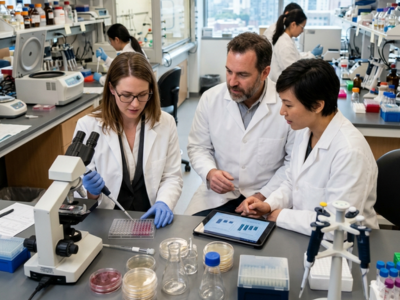
Cancer Research UK’s Centre for Drug Development and Cancer Research Horizons’ Therapeutic Innovation teams will work closely with UCB scientists throughout the process. The partnership covers research activities, preclinical development, and early-stage clinical trials. Consequently, the collaboration could help promising compounds reach patients more efficiently.
The alliance reflects growing industry interest in novel cancer therapies designed to target tumors with greater precision. Pharmaceutical firms are constantly looking for partnerships with research organizations in order to improve their discovery and clinical trial capacity. Additionally, oncology developers continue investing heavily in antibody-based treatments and targeted therapeutics.
As part of the collaboration, UCB will nominate research projects from different developmental phases. The chosen projects will progress through the discovery and pre-clinical phase under mutual supervision. Thereafter, Cancer Research UK’s Centre for Drug Development will handle the Phase I and II clinical trials for each approved candidate.
The partners also agreed to share research and development costs for the selected projects. However, UCB will retain exclusive commercialization rights for all programs entering the alliance. Meanwhile, Cancer Research Horizons will receive milestone payments and royalties based on the success of the drug products. The executives involved in the partnership highlighted the significance of blending scientific knowledge with translational research capabilities. They believe the expanded agreement will help advance novel cancer therapies from laboratory research into patient-focused clinical programs more rapidly.
Cancer Research UK’s Centre for Drug Development has created an excellent track record regarding oncology innovation over the past three decades. It has conducted over 170 clinical trials with experimental anti-cancer drugs. In addition to that, six drugs developed through their programs were finally commercially available. These drugs are used for treating brain cancer, prostate cancer, and ovarian cancer.
Industry analysts believe collaborations like this could play a major role in shaping the future oncology landscape. As cancer incidences continue to rise across the globe, there is a need for new therapies. Thus, pharmaceutical firms are increasingly engaging in partnerships that integrate cutting-edge discovery platforms with clinical development expertise. The collaboration is also set to benefit UCB’s increasing focus on oncology. While UCB had previously been more interested in neurology and immunology, the extended collaboration showcases its ambition to create an increased footprint in cancer research and precision medicine development.
Researchers involved in the alliance will consider several investigational strategies, such as antibody-based drugs and targeted oncology agents. Such innovative cancer treatments could treat cancers that do not respond well to current treatment modalities. Therefore, this partnership might lead to developments in precision oncology.
The agreement arrives during a period of intense investment in oncology pharmaceutical drug discovery. It appears that firms have started valuing partnerships because they provide access to scientific expertise, clinical researchers, and facilities for translational research infrastructure more highly. Additionally, collaborative models can reduce development risks while accelerating innovation.
Recent progress in targeted medicines and immune-based treatments has transformed cancer treatment within the last decade. However, many types of cancer have no treatment strategies yet. Researchers thus keep looking for new ways of treating cancer that can defeat drug resistance and improve survival rates. The collaboration between UCB, Cancer Research UK, and Cancer Research Horizons has been extended to cater to these medical necessities. The discovery of science, coupled with clinical advancement, seeks to expedite the introduction of a novel generation of cancer treatments to patients across the globe.