
South Carolina reported a rise in measles cases to 985, signaling a persistent public‑health challenge across the state and surrounding areas. State health officials confirmed six new infections, keeping the total increasing despite ongoing containment efforts. Officials warned that the outbreak could expand further due to low vaccination rates and active community transmission.
Health authorities traced the latest measles cases to an outbreak that began in October. This primarily affects the northwest region, including Greenville and Spartanburg. The highly contagious viral disease spreads rapidly among residents of all ages, especially in communities with low immunization coverage.
The South Carolina Department of Public Health reported that most infected individuals remain unvaccinated. Of the 985 total cases, 919 people did not receive any vaccine, 19 received one of the two recommended measles, mumps, and rubella doses, 26 completed the full vaccination, and 21 had unknown vaccination status. This pattern emphasizes that undervaccination continues to drive the outbreak’s persistence.
Officials confirmed that at least 61 people entered quarantine after virus exposure, and two individuals remained isolated to prevent further spread. Quarantine measures continue in schools, households, and other settings where the virus appeared. Health teams actively monitor contacts to interrupt transmission chains and reduce infection risk.
State epidemiologists noted a slight decline in daily reported infectious cases, offering a cautiously optimistic sign. A health official indicated that measles cases decreased over the last two weeks. That suggests the outbreak might be easing sooner than expected. However, the official stressed that the outbreak remains active and that sustained vigilance is essential to ending widespread transmission.
The outbreak remains concentrated in communities where vaccination coverage falls below the herd immunity threshold. Public‑health experts consistently stress that vaccination remains the most effective tool to prevent measles cases and avoid severe complications like pneumonia, encephalitis, and hospitalization. Increasing childhood immunization rates directly curbs virus spread and protects vulnerable populations.
This surge in cases comes amid a broader national picture of measles incidence that has also raised concerns. According to the latest data from the U.S. Centers for Disease Control and Prevention, 1,136 confirmed measles cases have been reported across 28 states so far in 2026, a sign of a nationwide uptick in measles transmission. The increasing incidence of measles cases has led to a continuous rise in measles vaccines. These figures reflect the highest incidence of reported measles in decades, driven largely by pockets of low vaccination coverage and the ease with which the virus can spread in susceptible populations.
Public‑health officials deployed additional epidemiologists and disease investigators to support case tracking, contact tracing, community education, and vaccination outreach. The state also collaborated with nonprofit organizations to reinforce mitigation where local resources are limited. Officials emphasized that community cooperation remains crucial for outbreak control.
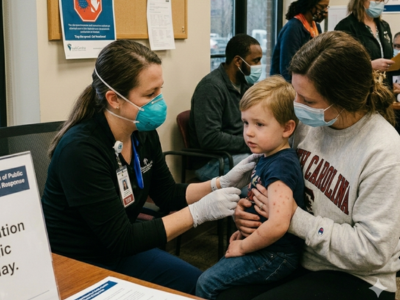
Local health departments expanded vaccination clinics and mobile immunization units to reach unprotected residents. Families are encouraged to check vaccination records and ensure all eligible children and adults receive measles, mumps, and rubella shots. Especially before spring travel and social events that could amplify virus transmission.
Experts remain concerned that undervaccinated communities could experience future flare-ups of measles cases. They warn that when vaccination coverage falls below approximately 95%, herd immunity weakens, increasing outbreak risks. The danger is greater in areas facing vaccine hesitancy or limited access to routine immunizations.
As public‑health authorities continue containment efforts, they remind residents that measles is preventable but can cause severe consequences, especially for infants, pregnant women, and immunocompromised individuals. Officials stressed that with persistent vigilance, proactive vaccination, and community cooperation, they aim to control the outbreak and prevent future surges in measles cases across South Carolina and the wider United States.