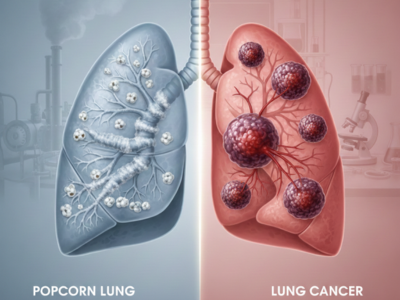

Understanding serious lung conditions such as popcorn lung and lung cancer can empower you to protect your respiratory health. While both conditions affect the lungs and may share some symptoms, they are fundamentally different in cause, progression, treatment, and outcomes. This blog explains these differences in clear language so you can make informed choices about your health.
What Is Popcorn Lung? A Rare but Serious Lung Disease
Popcorn lung is the common nickname for bronchiolitis obliterans, a rare lung disease that damages the smallest airways in your lungs, called bronchioles. When these tiny airways become inflamed and scarred, air can no longer flow freely, which leads to symptoms like wheezing, chronic coughing, and shortness of breath. Bronchiolitis obliterans does not involve malignant cells, meaning it is not cancer.
Workers in a microwave popcorn factory developed the disease in the early 2000s after exposure to large amounts of a buttery-flavored chemical called diacetyl, giving it its nickname. This chemical, safe to eat, becomes dangerous when inhaled and can lead to progressive lung damage.
How Popcorn Lung Develops
Bronchiolitis obliterans can be triggered by inhaling harmful chemicals, including diacetyl, formaldehyde, acetaldehyde, and other toxic fumes. Occupational exposures and contaminated air in industrial settings have historically been linked with cases of popcorn lung.
Additionally, infections like pneumonia, autoimmune conditions such as rheumatoid arthritis, and complications from lung transplantation can also contribute to developing this disease.
Unlike cancer, popcorn lung results from inflammation and scarring, not uncontrolled cell growth. The scarring can be irreversible, making the condition chronic and progressive if exposure continues.
Symptoms often start gradually but worsen over time. Common signs include:
- Persistent coughing
- Shortness of breath
- Wheezing
- General fatigue
These symptoms may be mistaken for asthma or bronchitis, so a thorough medical evaluation is crucial.
Treatment and Outlook for Popcorn Lung
Unfortunately, there is no cure for popcorn lung. Medical care focuses on slowing disease progression and relieving symptoms. Treatments may include corticosteroids to reduce inflammation and bronchodilators to help open airways. In severe cases, supplemental oxygen or even lung transplantation might be considered.
Preventive measures are critical. Reducing exposure to toxic chemicals at work and quitting inhalation of harmful substances, including smoke and vapor, can help prevent the onset. Early diagnosis and lifestyle changes improve quality of life.
What Is Lung Cancer? A Malignant and Aggressive Disease
Lung cancer, on the other hand, happens when cells in the lung begin to grow uncontrollably, forming tumors that can invade surrounding tissue and spread to distant organs (metastasize). Unlike popcorn lung, lung cancer is malignant; it involves abnormal, unregulated cell division that can be life-threatening if not treated early.
Lung cancer is one of the most common and serious forms of cancer worldwide. While smoking remains the leading risk factor, environmental toxins, radon exposure, pollution, and genetic predispositions also contribute to its development.
Types of Lung Cancer and Their Characteristics
There are two main types of lung cancer:
- Non-Small Cell Lung Cancer (NSCLC) -This is the more common form and generally grows more slowly than other types.
- Small Cell Lung Cancer (SCLC) -This type is aggressive and often requires a combination of chemotherapy and radiation therapy.
Symptoms may include a new or worsening cough, chest pain, shortness of breath, coughing up blood, unexplained weight loss, and fatigue. Because these symptoms can overlap with those of other lung conditions, timely medical evaluation is essential.
Diagnosis and Treatment of Lung Cancer
Unlike popcorn lung, lung cancer can be treated, especially if detected early. Treatments include surgery, chemotherapy, radiation therapy, and targeted or immunotherapy. Success often depends on the stage at diagnosis and the person’s overall health.
Can Popcorn Lung Lead to Lung Cancer
Many people wonder whether popcorn lung can turn into lung cancer. The short answer is no, popcorn lung itself does not transform into cancer because it is not caused by malignant cell growth, but by scarring and inflammation of the airways. However, inhaling toxic substances like tobacco smoke, industrial pollutants, or dangerous fumes can independently increase the risk of both popcorn lung and lung cancer.
Although these two conditions are different, they can share symptoms such as cough and breathlessness, which is why it’s important to seek professional medical help if respiratory symptoms persist or worsen. Early detection of lung cancer significantly improves treatment outcomes, while early diagnosis of popcorn lung helps slow progression and preserve lung function.
Final Thoughts: Protecting Your Lung Health
Understanding the differences between popcorn lung and lung cancer helps you recognize the seriousness of both conditions. While popcorn lung is rare and non-cancerous, it causes irreversible damage that can severely impact breathing. Lung cancer, by contrast, is a malignant disease with potentially life-threatening consequences if not caught early.
Your lungs are indispensable for life. Whether it’s avoiding exposure to harmful chemicals, steering clear of smoking and vaping, or getting routine health screenings, taking proactive steps can protect your respiratory wellbeing. If you experience a persistent cough, chest pain, or shortness of breath, don’t delay in consulting a healthcare professional for personalized evaluation and care.