
The pharmaceutical industry operates under strict quality standards where safety, sterility, and contamination control remain essential throughout production processes. As pharmaceutical products become more complex and potent, manufacturers increasingly rely on advanced containment technologies to protect products, operators, and environments. Among these technologies, the medical isolator has emerged as a critical solution for maintaining controlled manufacturing conditions.
A medical isolator creates a sealed and highly controlled environment that separates sensitive pharmaceutical processes from external contaminants. Consequently, manufacturers can maintain sterility, improve product quality, and ensure regulatory compliance. Today, medical isolator systems support various pharmaceutical operations, including sterile manufacturing, active pharmaceutical ingredient production, formulation development, and injectable drug processing.
Understanding Medical Isolator Technology
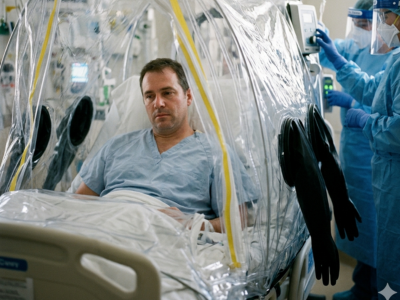
A medical isolator is an advanced containment system designed to establish a physical barrier between operators and pharmaceutical materials. The system provides a controlled environment where manufacturers can safely handle sensitive compounds, hazardous substances, and sterile products. Furthermore, the technology minimizes contamination risks while reducing operator exposure to potent materials.
Unlike conventional cleanrooms, a medical isolator allows personnel to perform tasks through integrated glove ports and transfer systems without entering the controlled environment. As a result, the possibility of microbial contamination decreases significantly, while product integrity remains protected throughout manufacturing operations. With the growing demand for biologics, injectable therapies, and high-potency active pharmaceutical ingredients, there is an increasing utilization of isolator technology in the pharmaceutical industry. Thus, the application of the isolator system has become a crucial part of modern-day pharmaceutical manufacturing.
Types of Medical Isolators Used in Pharmaceutical Manufacturing
Pharmaceutical companies utilize different types of medical isolator systems depending on specific manufacturing requirements and containment objectives.
Barrier Isolators
Barrier isolators create a protective separation between operators and pharmaceutical products. These systems effectively contain hazardous substances while preventing external contamination. They also support the safe handling procedures for potent compounds and toxic materials. Typical applications are glovebox isolators and containment isolators for research, development, and manufacturing.
Aseptic Isolators
Aseptic isolators are specifically designed for sterile manufacturing environments. These systems provide contamination-free conditions to prevent microbial intrusion during pharmaceutical production. This will allow manufacturers to make more consistent and confident sterility claims for products. Aseptic isolators have important roles in sterile filling, sterility testing, and injectable drug manufacturing operations.
API Isolators
API isolators enable the manufacturing and processing of active pharmaceutical ingredients. This ensures that there is no contamination and tight containment levels for potent substances. They also assist manufacturers in meeting occupational exposure and product purity standards.
Formulation and Injectable Isolators
Formulation isolators protect pharmaceutical preparations from external contamination during critical stages of the process. Injectable isolators, on the other hand, provide sterile environments for the manufacture of injectable drugs, syringes, and vial-based products. Thus, these devices play an important role in patient health and the efficiency of the final product.
Critical Features of Modern Medical Isolators
Modern medical isolator systems incorporate several advanced features that support contamination control and operational efficiency. The high-efficiency particulate air (HEPA) filters continually remove airborne contaminants and provide clean air conditions. Furthermore, the airflow control systems assist in ensuring that there are adequate pressure levels for containment and sterility purposes. Many isolators also incorporate vaporized hydrogen peroxide systems in their decontamination processes to ensure validated sterilization performance.
In addition, modern medical isolator designs come equipped with PLCs, HMIs, and automation monitoring systems. The technologies allow real-time operations management, alarming, and data logging features that are compliant with regulatory guidelines. Transfer ports, safe-change filter technology, and ergonomic glove ports are additional options to improve utility while preserving containment. As such, pharmaceutical firms can optimize their processes without sacrificing safety and protection.
Applications Across Pharmaceutical Manufacturing
The versatility of medical isolator technology enables its use across multiple pharmaceutical processes. The use of medical isolators in sterile manufacturing facilities is vital for processes such as compounding, filtering, filling, sealing, freeze-drying, and sterilization tests. Additionally, injectable drug manufacturers depend on isolators for maintaining aseptic conditions.
Within API manufacturing facilities, medical isolator systems facilitate reactor charging, sampling, dispensing, milling, blending, drying, and packaging activities. The purpose of such isolation is to reduce the risk of dust contamination, minimize the risk of cross-contamination, and avoid exposure to potent compounds. Furthermore, in pharmaceutical laboratories, experiments and drug development activities require highly controlled environments. Therefore, medical isolator technology supports innovation while maintaining stringent safety standards.
U.S. Pharmaceutical Isolator Industry Trends
The U.S. pharmaceutical isolators industry is moderately concentrated, with a limited number of established manufacturers accounting for a significant share of domestic demand. These companies benefit from extensive experience with U.S. regulatory requirements, comprehensive product portfolios, and long-standing relationships with pharmaceutical manufacturers and hospital pharmacies.
Moreover, the U.S. market continues to emphasize innovation as pharmaceutical formulations become increasingly complex and safety expectations continue rising. Manufacturers are investing in advanced medical isolators that provide better control, automation, monitoring, and flexibility. Hence, pharmaceutical companies will be able to improve production efficiency while meeting industry standards.
An increase in the use of biologics, injectables, personalized medicines, and potent active pharmaceutical ingredients represents an additional driving force for designing complicated medical isolators. Therefore, manufacturers continue introducing innovative solutions designed to address changing pharmaceutical production requirements.
Recent Developments in Medical Isolator Technology
The medical isolator sector has seen several key advancements that demonstrate innovation and growth within the industry. In January 2025, Labconco introduced the Pure2 Aseptic Isolator to the North American market through a collaboration with SKAN. The system is designed to maintain ISO Class 5 (GMP Grade A) conditions for sterile processing through controlled airflow and integrated decontamination technology.
In November 2024, Kewaunee Scientific Corporation acquired NuAire, Inc. in a transaction valued at approximately USD 55 million. The acquisition allowed the combined business to develop its capabilities in the areas of laboratory facilities and equipment. Also, the acquisition illustrates the current trend of consolidation in the pharmaceutical equipment industry.
Why Demand for Medical Isolators Is Increasing
The pharmaceutical industry continues to experience rapid growth due to increasing healthcare needs, expanding biologics production, and rising demand for sterile medications. Therefore, pharmaceutical companies need highly sophisticated contamination control systems to maintain product quality and compliance. At the same time, increasing regulatory requirements worldwide compel drug manufacturers to embrace technologies that minimize contamination and increase efficiency. Isolators ensure that firms satisfy these requirements while protecting employees and maintaining manufacturing consistency. Additionally, the rising manufacture of potent API and personalized medicines has increased the adoption of proper containment systems. This is one of the main reasons why medical isolators have become integral to the pharmaceutical industry.
The Future of Medical Isolator Technology
As pharmaceutical production keeps advancing, the place of the medical isolator in future developments will become more critical. Increased use of personalized drugs, biologics, cell-based therapies, and high-potency substances demands better equipment that will provide superior levels of safety and sterility. In addition, progress in such areas as automation, monitoring systems, AI, and contamination control will make the operation of the isolator much more effective. This means that pharmaceutical producers will continue investing in isolator systems to meet evolving regulatory requirements and market conditions. The use of Industry 4.0 technologies, predictive maintenance systems, and digital monitoring systems will enhance the functionality of isolators. As a result, manufacturers can achieve greater productivity while maintaining the highest standards of quality assurance.