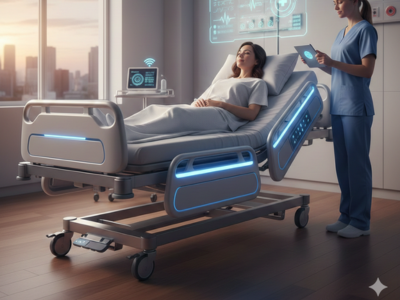

Understanding hospital beds begins with recognizing their crucial role in modern healthcare. These specialized beds support patient recovery, enhance comfort, and improve care delivery in hospitals and homes. As healthcare evolves rapidly, hospital beds continue advancing to meet diverse patient needs. In this blog, we explore the types, features, ergonomic importance, innovations, and overall impact of hospital beds.
What Are Hospital Beds and Why Do They Matter
Hospital beds are specially designed medical beds that support patients requiring continuous care or extended recovery. Unlike standard beds, hospital beds offer adjustability, safety mechanisms, and mobility features that promote healing. In earlier times, beds remained rigid and static, which limited patient comfort significantly. However, modern hospital beds now function as dynamic systems that enhance mobility and hygiene.
Today, hospital beds do more than provide sleeping space for patients. They actively assist medical procedures, enable easier monitoring, and reduce caregiver strain during daily tasks. As a result, healthcare facilities depend heavily on hospital beds to improve workflow efficiency. Therefore, selecting appropriate hospital beds directly influences patient safety and recovery outcomes.
Different Types of Hospital Beds
Healthcare providers use various types of hospital beds depending on patient condition and treatment environment. Each category of hospital beds addresses specific clinical needs effectively and safely.
- General Medical-Surgical Beds: These hospital beds serve most patients admitted for standard treatments or recovery. They allow height adjustment, backrest elevation, and leg positioning to maximize patient comfort. Consequently, caregivers can perform examinations and treatments without unnecessary physical strain.
- ICU and Critical Care Beds: ICU hospital beds support critically ill patients requiring constant monitoring and specialized care. These beds often include integrated weighing systems and advanced positioning controls. Additionally, ICU hospital beds allow rapid repositioning during emergencies or critical procedures.
- Pediatric Beds: Pediatric hospital beds include added safety features like adjustable side rails and lower height settings. These beds ensure children remain safe while receiving treatment or recovery care. Moreover, thoughtful designs create a less intimidating environment for young patients.
- Maternity Beds: Maternity hospital beds assist mothers during labor, delivery, and postpartum recovery. They provide ergonomic adjustments that support multiple birthing positions comfortably. Therefore, maternity hospital beds contribute significantly to maternal safety and comfort.
- Specialized Beds: Specialized hospital beds include bariatric models and pressure-relief systems for specific medical conditions. Bariatric hospital beds support higher weight capacities safely and effectively. Meanwhile, pressure-relief hospital beds reduce the risk of bedsores among immobile patients.
Key Features That Enhance Hospital Beds
Modern hospital beds integrate advanced features that prioritize safety, convenience, and comfort. These functional improvements distinguish hospital beds from traditional sleeping furniture.
- Adjustable Height and Positioning: Hospital beds allow caregivers to adjust height and section angles effortlessly. This feature reduces the risk of injury during patient transfers and repositioning. Furthermore, adjustable hospital beds support various therapeutic and medical procedures efficiently.
- Side Rails for Safety: Side rails prevent accidental falls and enhance patient confidence while resting. Many hospital beds include removable or collapsible rails for flexibility. Thus, caregivers can balance patient independence with essential safety measures.
- Mobility and Locking Wheels: Hospital beds feature durable wheels for easy transportation across rooms or departments. At the same time, secure locking systems prevent unintended movement. Consequently, hospital beds ensure both mobility and stability in busy healthcare environments.
- Integrated Monitoring Systems: Advanced hospital beds include sensors that monitor patient movement and sometimes vital signs. These smart hospital beds alert staff to abnormal activity or changes in health. Therefore, medical teams can respond quickly to prevent complications.
Ergonomic Design in Hospital Beds
Ergonomics plays a central role in designing efficient hospital beds. Manufacturers design hospital beds to support natural body posture and reduce discomfort. As a result, patients experience better rest and fewer musculoskeletal issues.
Additionally, ergonomic hospital beds protect caregivers from repetitive strain injuries. Adjustable controls allow smooth repositioning without excessive bending or lifting. Therefore, hospital beds contribute to safer working environments for healthcare professionals.
Proper positioning in hospital beds also improves respiratory function and blood circulation. Elevated backrests can assist breathing in respiratory patients effectively. Likewise, leg adjustments support circulation and reduce swelling during extended bed rest.
Technological Innovations in Hospital Beds
Technology continues transforming hospital beds into intelligent healthcare tools. Modern hospital beds integrate digital systems that enhance patient monitoring and data management. The increasing incidence of chronic diseases, along with a growing preference for technologically advanced and fully equipped hospital beds, is significantly driving overall industry growth.
- Smart Monitoring Features: Smart hospital beds can track patient movements and detect unusual activity patterns. When sensors detect irregularities, alerts notify healthcare staff immediately. Consequently, hospital beds reduce response times during critical situations.
- IoT Connectivity and Data Integration: Some hospital beds connect directly to hospital management systems through secure networks. This integration allows real-time data sharing and streamlined documentation processes. Therefore, hospital beds improve communication between departments and medical teams.
- Enhanced Comfort Mechanisms: Innovative hospital beds now include zero-gravity positioning and automated tilt adjustments. These features relieve pressure on joints and muscles during long recovery periods. As a result, hospital beds significantly improve overall patient comfort and satisfaction.
Impact of Hospital Beds on Patient Outcomes
Hospital beds directly influence recovery rates, patient safety, and overall healthcare quality. Proper positioning in hospital beds prevents complications such as pressure ulcers and muscle stiffness. Consequently, patients experience fewer secondary health issues during prolonged stays.
Comfortable hospital beds also improve sleep quality, which accelerates healing naturally. When patients rest better, their bodies recover more efficiently. Furthermore, supportive hospital beds reduce caregiver fatigue and enhance care delivery standards.
By combining safety, technology, and ergonomic support, hospital beds create a patient-centered environment. Therefore, hospitals and home-care providers increasingly invest in advanced hospital beds to elevate care quality.
Conclusion: The Future of Hospital Beds
Hospital beds have evolved from basic frames into sophisticated healthcare systems. They now support patient comfort, caregiver efficiency, and medical precision simultaneously. As healthcare continues advancing, hospital beds will incorporate even smarter technologies and improved ergonomic designs.
Ultimately, hospital beds remain essential components of effective healthcare infrastructure. Whether in hospitals or home settings, investing in high-quality hospital beds ensures safer recovery experiences and better health outcomes for patients worldwide.