
Home healthcare is transforming modern medical support by delivering professional services directly to patients in their own homes. Today, families increasingly choose home healthcare because it combines clinical expertise with comfort, convenience, and personalized attention. Instead of extended hospital stays, patients now receive structured medical supervision without leaving familiar surroundings. Consequently, home healthcare bridges the gap between hospital treatment and independent recovery at home.
Healthcare needs are evolving rapidly as chronic diseases rise and life expectancy increases across populations. Therefore, home healthcare provides a practical solution for individuals who require consistent monitoring, therapy, or assistance. By integrating medical services into daily living environments, providers ensure safety, efficiency, and continuity of care.
What Is Home Healthcare
Home healthcare refers to professional medical and supportive services delivered at a patient’s residence under clinical supervision. These services include skilled nursing, medication management, wound care, physiotherapy, elderly assistance, and doctor consultations. Moreover, trained professionals design customized treatment plans that align with individual medical conditions and recovery goals.
Unlike traditional hospitalization, home healthcare focuses on patient-centered care within a comfortable and controlled environment. As a result, patients often experience improved cooperation, faster healing, and better emotional stability. Families also participate actively in care routines, strengthening trust and communication between caregivers and medical teams.
When Should You Choose Home Healthcare
Post-Surgical Recovery Support
Patients recovering from major surgeries frequently require continuous monitoring, wound dressing, and medication supervision. In such cases, home healthcare ensures structured recovery without repeated hospital visits or unnecessary exposure to infections. Furthermore, professional nurses observe symptoms closely and respond promptly to complications, reducing readmission risks.
Home-based recovery also supports physical therapy sessions that accelerate mobility and functional improvement. Therefore, patients regain independence gradually while maintaining medical oversight in a familiar setting.
Chronic Disease Management
Chronic illnesses such as diabetes, hypertension, and heart disease demand long-term supervision and disciplined treatment adherence. Home healthcare professionals regularly monitor vital signs and adjust care plans according to the physician's instructions. Consequently, patients maintain stable health conditions and prevent sudden medical emergencies.
The rising incidence of chronic diseases in the aging population, combined with the cost-efficiency of home healthcare services, significantly drives home healthcare market growth. Additionally, consistent home visits encourage patients to follow medication schedules and lifestyle recommendations more responsibly. Over time, this personalized monitoring improves overall disease management and quality of life.
Elderly Care and Assistance
Aging individuals often struggle with mobility, balance, and daily personal care responsibilities. Therefore, home healthcare enables seniors to remain independent while receiving structured professional assistance. Caregivers provide support for bathing, medication reminders, and mobility exercises, ensuring safety and dignity.
Moreover, elderly patients feel emotionally secure when they stay in familiar surroundings close to family members. This stability reduces anxiety, promotes mental wellness, and enhances overall recovery outcomes.
Key Benefits of Home Healthcare
Enhanced Comfort and Emotional Well-Being
Patients heal faster when they feel relaxed and emotionally supported by loved ones at home. Home healthcare encourages family involvement, which strengthens morale and improves cooperation with treatment protocols. Furthermore, familiar environments reduce stress, allowing patients to sleep better and maintain healthier routines.
Unlike hospitals with strict schedules and visiting limitations, home settings offer flexibility and personalized care experiences. Therefore, patients maintain greater autonomy and emotional balance during recovery.
Reduced Risk of Hospital-Acquired Infections
Extended hospital stays increase the possibility of exposure to infections and complications. However, home healthcare minimizes this risk by providing professional care within controlled household environments. Nurses maintain hygiene standards while eliminating unnecessary hospital contact.
Consequently, patients recover safely without facing additional health threats during vulnerable recovery phases.
Cost-Effective Healthcare Solutions
Home healthcare often proves more economical than prolonged hospitalization or institutional care facility charges. Families save on room costs, transportation expenses, and administrative overheads associated with hospitals. Therefore, home-based care becomes a financially sustainable option for long-term treatment needs.
Additionally, early detection of complications through regular home monitoring prevents costly emergency interventions. This proactive approach further strengthens financial efficiency for families managing ongoing medical expenses.
Lower Hospital Readmission Rates
Regular supervision through home healthcare significantly reduces the likelihood of preventable hospital readmissions. Healthcare professionals identify early warning signs and intervene before conditions escalate. As a result, patients avoid unnecessary emergency visits and maintain steady recovery progress.
Structured follow-up care also ensures medication adherence and compliance with discharge instructions. Therefore, home healthcare supports long-term stability after hospitalization.
Specialized Home Healthcare Services
Physiotherapy and Rehabilitation
Patients recovering from strokes, fractures, or joint replacement surgeries require consistent rehabilitation support. Home healthcare physiotherapists conduct therapy sessions tailored to individual mobility levels and physical capabilities. Moreover, therapists adapt exercises to the home environment, improving functional independence.
This personalized approach accelerates muscle recovery and reduces travel-related fatigue. Consequently, patients regain strength more comfortably and confidently.
Palliative and End-of-Life Care
Individuals facing advanced illnesses often prefer compassionate care within their homes surrounded by loved ones. Home healthcare teams provide pain management, symptom control, and emotional support during critical stages. Furthermore, professionals prioritize dignity, comfort, and quality of life for both patients and families.
This supportive framework allows families to focus on meaningful moments instead of logistical medical challenges.
Maternal and Neonatal Support
New mothers and infants sometimes require specialized monitoring and postnatal assistance. Home healthcare professionals provide newborn assessments, maternal recovery guidance, and breastfeeding support. Therefore, families receive expert care without disrupting the bonding process at home.
Such assistance builds parental confidence while ensuring infant safety and maternal well-being.
The Role of Technology in Home Healthcare
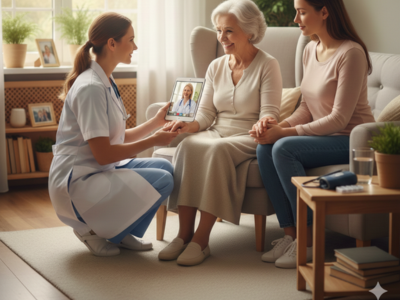
Technological advancements continue to enhance the effectiveness of home healthcare services across healthcare systems. Remote monitoring devices track vital signs and transmit data directly to medical professionals for evaluation. Additionally, teleconsultations enable physicians to assess patients virtually and provide timely recommendations.
This integration of digital tools strengthens communication between providers and patients. Consequently, home healthcare delivers real-time oversight while preserving the comfort of home-based recovery.
Conclusion
Home healthcare represents a progressive shift toward personalized, patient-centered medical services delivered directly at home. It supports post-surgical recovery, chronic disease management, elderly care, and specialized treatment with professional efficiency. Moreover, home healthcare enhances emotional well-being, reduces infection risks, and lowers overall healthcare costs.
As healthcare demands continue to grow, home healthcare offers a reliable and compassionate alternative to extended hospital stays. By combining medical expertise with comfort and convenience, home healthcare empowers patients and families to manage health challenges confidently and effectively.