
Kidney disease affects millions of people worldwide and often demands long-term medical care. When kidneys fail to remove waste properly, dialysis becomes essential for survival. In many cases, doctors recommend a hemodialysis catheter to begin immediate dialysis treatment. This specialized tube allows healthcare teams to access the bloodstream safely and efficiently.
The chronic disease in the kidneys has been rising worldwide, affecting millions of patients across different age groups. Reports from the World Health Organization highlight increasing chronic kidney disease cases due to diabetes, hypertension, and an aging population. According to the National Institutes of Health, chronic kidney disease affects more than 35.5 million adults in the United States. Additionally, one in three people with diabetes and one in five individuals with high blood pressure develop kidney disease. Other major risk factors include heart disease and a family history of kidney failure. Therefore, the growing burden of kidney disease has increased the demand for effective dialysis treatment and advanced hemodialysis catheter support systems.
A hemodialysis catheter plays a critical role in managing chronic kidney disease and kidney failure. Although other vascular access methods exist, catheters provide quick and reliable access during emergencies or temporary dialysis treatment. Therefore, understanding this device helps patients feel more confident and prepared throughout their treatment journey. According to the National Kidney Foundation, dialysis supports patients whose kidneys can no longer filter waste and excess fluid effectively. The organization also explains that tunneled catheters are commonly used when fistulas or grafts are unavailable or still healing.
What Is a Hemodialysis Catheter?
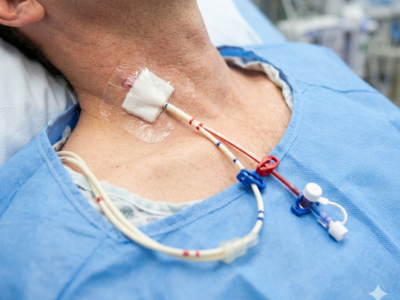
A hemodialysis catheter is a soft and flexible tube inserted into a large vein, usually in the neck or chest. Doctors use this catheter to connect patients to a dialysis machine during treatment sessions. The machine removes toxins, excess salts, and extra fluid from the blood before returning clean blood to the body. Most healthcare professionals use a tunneled hemodialysis catheter for temporary or medium-term dialysis support. These catheters contain two openings. One opening carries blood to the dialysis machine, while the second returns filtered blood to the patient’s body.
Additionally, doctors may recommend a hemodialysis catheter when patients require urgent dialysis treatment. In many situations, patients need dialysis immediately and cannot wait for a fistula or graft to mature properly. The National Kidney Foundation states that cuffed tunneled catheters can remain in place for several weeks when other access options remain unavailable.
Why Do Patients Need a Hemodialysis Catheter?
Doctors recommend a hemodialysis catheter for several medical reasons. First, it provides rapid vascular access during emergency kidney failure treatment. Second, it supports dialysis while patients prepare for permanent access procedures like arteriovenous fistulas. Furthermore, some patients have weak blood vessels that prevent successful fistula or graft creation. In these situations, a hemodialysis catheter becomes the safest and most practical option.
Patients with severe infections, heart complications, or advanced kidney disease may also require temporary catheter-based dialysis support. Consequently, healthcare teams carefully evaluate each patient before selecting the appropriate vascular access method. Modern dialysis centers now offer advanced dialysis support with specialized nephrology care and experienced professionals.
Types of Hemodialysis Catheters
Healthcare professionals generally use two major catheter types for dialysis treatment.
- Non-Tunneled Catheters: Doctors usually place non-tunneled catheters during emergencies. These catheters remain outside the skin and support short-term dialysis treatment. However, they carry a higher infection risk and cannot remain in place for extended periods.
- Tunneled Catheters: A tunneled hemodialysis catheter passes beneath the skin before entering the vein. This design lowers infection risk and improves catheter stability. Therefore, tunneled catheters work better for longer dialysis treatment periods.
The National Kidney Foundation recommends tunneled cuffed catheters for temporary dialysis access lasting more than three weeks.
How Is a Hemodialysis Catheter Inserted?
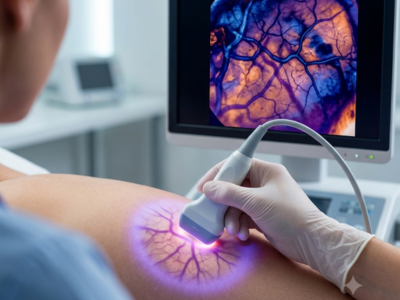
Doctors usually perform hemodialysis catheter insertion in hospitals or specialized dialysis centers. Before the procedure begins, patients receive local anesthesia to reduce discomfort. In some cases, doctors may also provide mild sedation for relaxation. Next, the doctor inserts the catheter into a large vein using ultrasound or imaging guidance. The neck vein remains the most common insertion site because it offers excellent blood flow and reduced complications.
After placement, healthcare professionals confirm the catheter position using imaging tests. Patients can often begin dialysis treatment immediately after successful insertion. Fortunately, most insertion procedures take less than one hour. However, patients must follow medical instructions carefully after the procedure to avoid complications.
Benefits of a Hemodialysis Catheter
A hemodialysis catheter offers several important advantages for kidney patients. First, it provides immediate access to dialysis treatment during emergencies. Patients do not need weeks or months of waiting before starting therapy. Additionally, catheter placement involves minimally invasive procedures compared to surgical fistula creation. Therefore, many critically ill patients tolerate catheter insertion more comfortably. Another major benefit involves treatment flexibility. Doctors can remove or replace a hemodialysis catheter relatively easily when the patient's condition improves. Advanced dialysis providers now combine skilled nephrology care with modern dialysis technology to improve patient outcomes.
Risks and Complications
Although a hemodialysis catheter provides lifesaving treatment support, patients should understand potential risks. Infection remains the most common complication associated with catheter use. Since the catheter connects directly to the bloodstream, bacteria can enter the body more easily. The patient can also suffer from clots, catheter obstruction, and inadequate blood flow during dialysis treatment. In extreme cases, there might be cases of vein damage and bleeding after placing the catheter. However, catheter management reduces the risk of complications. Therefore, healthcare teams educate patients carefully about hygiene and maintenance procedures.
Essential Hemodialysis Catheter Care Tips
A catheter for hemodialysis needs proper handling in order to work effectively and efficiently. Patients should always keep the dressing clean and dry between dialysis sessions. Additionally, only trained medical professionals should handle or open the catheter. According to the National Kidney Foundation, patients should ensure that the catheter site is underwater during bathing. Patients should also wear masks when healthcare professionals access the catheter to reduce infection risks.
Patients should immediately contact healthcare providers if they notice:
- Redness around the catheter site
- Fever or chills
- Swelling or pain
- Fluid leakage
- Difficulty during dialysis sessions
Furthermore, regular monitoring ensures that the hemodialysis catheter continues functioning properly throughout treatment.
The Future of Dialysis Catheter Technology
Medical technology keeps enhancing dialysis treatments and vascular access procedures. Scientists have started investigating catheters made from infection-resistant material, imaging systems, and robotic-assisted catheter placement technologies. Modern dialysis programs also emphasize patient-centered care, comfort, and more efficient treatment. Another aspect is that doctors tend to use modern dialysis machines with special nephrology assistance in order to ensure safe dialysis processes.
Organizations continue expanding dialysis access through advanced healthcare infrastructure and large-scale dialysis networks across the world. Their healthcare model supports affordable and accessible dialysis treatment for thousands of kidney patients nationwide.