
What if you could completely rebuild a city's crumbling underground pipeline network without turning a single spade of dirt or blocking a single lane of traffic? Modern cities are quietly facing an infrastructure crisis right beneath our feet, where century-old pipes are reaching their absolute breaking point. Thankfully, the rapid development of trenchless technology is rewriting the public works playbook. Azuria Water Solutions just supercharged this space by snapping up global material giant RSM Lining Supplies. This high-profile acquisition signals a massive shift toward no-dig civil engineering, proving that rehabilitation is officially beating replacement.
In this deep dive, we’ll uncover how resin-soaked liners and advanced ultraviolet curing extend pipe lifespans by decades for a fraction of the cost. Ready to see how smart supply chains and low-impact engineering are quietly modernizing our urban water grids? Let's get into it.
Why Trenchless Pipe Rehabilitation Is Becoming a Priority for Aging Water Infrastructure
The underground pipelines moving our clean drinking water are reaching the absolute end of their natural lifespans. Traditional fix-it methods require heavy excavators, massive traffic detours, and weeks of costly labor. These frustrating delays are driving municipal leaders to make pipe rehabilitation a top operational priority. Opting for non-invasive repair methods allows crews to fix deep structural issues without disturbing daily community life. This shift is contributing to growing interest in Trenchless Pipe Relining solutions for water and wastewater infrastructure upgrades.
Furthermore, ignoring these weak points causes frequent main breaks that lose millions of gallons of treated water. This waste drains local city budgets while putting public health at severe risk. Implementing no-dig engineering methods allows public works teams to structurally reinforce active water infrastructure assets long before catastrophic failures happen. It changes the focus from constantly chasing emergency leaks to handling long-term pipeline renewal smoothly.
How Cured-in-Place Pipe Solutions Are Transforming Underground Utility Maintenance
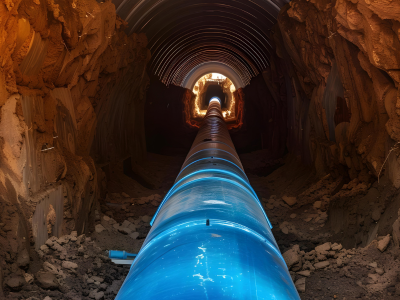
At the core of this underground engineering revolution is a highly effective method known as cured-in-place pipe (CIPP). This clever technique involves pulling a flexible, resin-soaked liner directly into a broken underground conduit. Once positioned, the liner is cured using steam, ultraviolet light, or advanced LED systems to create a brand-new pipe inside the old one. Utilizing these modern CIPP solutions completely eliminates the need for destructive surface digging during routine underground utility maintenance.
This smooth installation process means a vital wastewater rehabilitation project can be completed in hours rather than weeks. The resulting composite structure fits tightly against the original host walls, maximizing internal fluid flow. This approach gives public service providers a dependable way to extend the lifespan of deep utility assets by several decades. It turns a complex civil engineering headache into a straightforward, manageable task.
The Growing Demand for Sustainable Alternatives to Traditional Pipe Replacement
Tearing up long stretches of asphalt releases massive amounts of carbon emissions from heavy machinery and snarled traffic. Modern city planners are rejecting these disruptive methods in favor of sustainable infrastructure solutions that protect local environments. Choosing trenchless construction options dramatically reduces the overall carbon footprint of crucial civil engineering upgrades. It allows public agencies to meet strict environmental targets without sacrificing project quality.
This green focus has triggered a widespread expansion of smart water management equipment across major urban centers, helping operators optimize their fluid networks cleanly. Using eco-friendly repair methods minimizes soil disruption and protects delicate urban tree roots from heavy excavators. By choosing low-impact repair paths, cities can protect their natural surroundings while quietly reinforcing vital utility grids. It proves that major utility upgrades can be achieved without harming local ecosystems.
What Infrastructure Providers Need to Know About Advances in CIPP Technology
The technology behind non-invasive pipe repairs is advancing rapidly, giving field technicians more options on the job site. Early lining efforts were limited to simple gravity lines, but modern CIPP lining materials are built to handle intense pressure pipe rehabilitation as well. These robust materials can withstand extreme internal forces, making them perfect for major clean water transmission mains.
Understanding these structural differences allows project engineers to select the exact right curing method for their local environment. Modern ultraviolet and LED curing options allow crews to harden liners much faster without using large amounts of water. This rapid processing speed helps local crews finish deep sewer rehabilitation tasks ahead of schedule. Staying informed on these material upgrades helps utility providers get the highest possible return on their repair investments.
How Global Supply Chain Strength Can Accelerate Trenchless Project Delivery
Securing a steady supply of high-quality raw materials is one of the biggest hurdles facing modern public works managers. A sudden shortage of specialized resins or custom-sized liners can stall a vital pipeline restoration job for months. This is exactly why Azuria's acquisition of a global supplier like RSM Lining Supplies is such a game-changer for project schedules. Bringing a global supply chain under one roof ensures that field teams always have the tools they need.
This logistical strength allows regional service providers to plan complex trenchless technology upgrades with absolute certainty. It removes the stressful guesswork from multi-million-dollar municipal projects, protecting cities from unexpected delays. When materials arrive on schedule, labor costs drop and community disruption is kept to an absolute minimum. It establishes a highly dependable blueprint for rolling out large-scale utility asset management programs.
Why Municipal Water Networks Are Increasingly Adopting Rehabilitation Over Replacement
Local city budgets are under immense pressure, forcing managers to look for maximum efficiency in every single purchase order. Completely replacing a deep underground main can cost several times more than lining the existing structure from the inside out. This stark price difference explains why budget-conscious cities are aggressively prioritizing sewer system upgrades over traditional dig-and-replace contracts. It allows local leaders to patch two or three times as many failing lines with the same amount of funding.
Choosing pipeline maintenance over total replacement also saves money by preventing major damage to surrounding surface features. Cities can avoid paying expensive repair bills for broken sidewalks, torn-up landscaping, and cracked roadway pavement. This smart financial approach keeps vital utility networks running smoothly while protecting local taxpayers from sudden rate increases. It transforms everyday network maintenance into a strategic advantage for growing communities.
The Role of Advanced Lining Materials in Modern Wastewater Infrastructure Upgrades
Industrial waste and harsh chemical cleaners can quickly erode standard concrete and metal sewer lines over time. Modern municipal wastewater systems require highly resilient barriers that can resist chemical corrosion and continuous abrasion. This requirement is becoming increasingly significant across the Water and Wastewater Treatment sector, where utilities are prioritizing technologies that improve infrastructure durability, efficiency, and environmental protection. The latest generation of advanced polymer liners provides a slick, impervious shield that prevents dangerous leaks and groundwater contamination.
These specialized materials perform beautifully in both simple gravity pipe applications and complex, pressurized pumping networks. They prevent rough tree roots from puncturing the line, eliminating a leading cause of messy structural backups. Investing in these heavy-duty options ensures that vital wastewater management networks can handle growing urban populations safely. It gives community planners complete peace of mind, knowing their core systems are protected for generations.
How Strategic Acquisitions Are Shaping the Future of Trenchless Water Solutions
The ongoing industry evolution ensures that advanced tools move from specialized labs directly to active construction sites much faster. It fosters a highly collaborative environment where engineers and material scientists work together to solve tough infrastructure resilience challenges. As these large corporate platforms expand, they bring top-tier non-invasive repair solutions to smaller communities that used to rely on old-fashioned digging. This commercial growth is heavily guided by a comprehensive strategy for Smart Water Management. These high-tech corporate frameworks use advanced digital sensors and real-time flow monitoring to spot deep pipeline vulnerabilities before they can disrupt local communities.