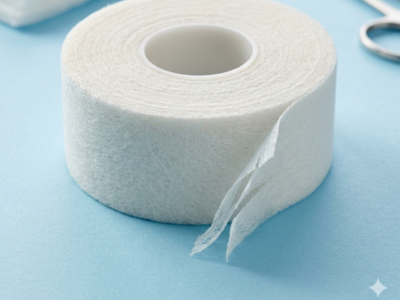

Healthcare systems constantly evolve to improve clinical outcomes, enhance patient comfort, and reduce complications during treatment. Among the many innovations, medical foam tapes play a crucial role in modern wound care practices. These advanced adhesive solutions not only secure dressings effectively but also contribute significantly to healing environments. Moreover, healthcare professionals increasingly rely on medical foam tapes because they combine functionality with patient-centered care.
Medical tapes remain essential in healthcare because they stabilize wounds, secure devices, and prevent contamination. At the same time, medical foam tapes go further by offering cushioning, flexibility, and moisture control. Therefore, they represent a vital advancement in wound management and patient safety strategies.
Understanding Medical Foam Tapes in Healthcare
Medical foam tapes consist of soft, flexible foam materials combined with medical-grade adhesives. These tapes conform easily to body contours, which makes them ideal for sensitive or irregular areas. Furthermore, their structure allows them to provide both adhesion and cushioning simultaneously. Healthcare providers use medical foam tapes in various clinical scenarios, including wound dressing fixation, device securement, and pressure injury prevention. In addition, these tapes help reduce friction and protect fragile skin from external stress. Because of their design, foam tapes remain lightweight, breathable, and durable, which supports long-term use in clinical environments.
Therefore, medical foam tapes have become indispensable tools in hospitals, clinics, and home care settings. Consequently, their adoption continues to grow across multiple healthcare disciplines.
Growing Burden of Chronic Wounds and Demand
Chronic wounds affect millions of people worldwide, and they represent a major global healthcare challenge. In the United States alone, chronic wounds impact approximately 6.5 million people every year. Many patients suffer from nonhealing wounds that require prolonged and specialized treatment. Additionally, rising cases of surgical procedures are significantly increasing the demand for advanced wound care products. At the same time, the global aging population continues to expand rapidly. Diabetes cases are also rising at an alarming rate, which further contributes to delayed wound healing.
As a result, the need for efficient and reliable wound treatment techniques increases. Medical foam tape appears to be very useful in modern wound care due to its outstanding properties. It provides excellent cushioning and efficient moisture protection.
Role in Wound Care Management
Wound management involves creating a favorable environment for promoting the repair of tissue. Among other important functions, medical foam tapes play an important role in this context, as they help ensure that dressings remain in position during the entire process of healing. Additionally, they provide protection against any movement that may harm fragile healing tissues. Besides, they assist in controlling moisture levels, an aspect that is vital for proper wound healing.
Finally, medical foam tapes act as barriers to external contamination. Their tight positioning ensures that dressings are well protected from foreign substances. Therefore, they lead to reduced infection levels.
Enhancing Patient Comfort and Experience
Patient comfort remains a top priority in healthcare, and medical foam tapes address this need effectively. Their soft and cushioning properties reduce pressure on the skin, which prevents discomfort during prolonged application. Additionally, they adapt to body movements and allow greater mobility. Traditional tapes often irritate, especially for patients with sensitive skin. However, medical foam tapes use gentle adhesives that reduce allergic reactions and skin damage. Consequently, they are suitable for pediatric, geriatric, and post-surgical patients.
Furthermore, medical foam tapes ensure comfortable and painless removal processes. This ensures minimal trauma on the skin, which greatly enhances the patients' satisfaction levels.
Supporting Medical Device Securement
Healthcare practitioners often use tapes to bind medical devices like catheters, intravenous tubing, and diagnostic apparatus. Foam tapes are perfect for this purpose since they are flexible enough and possess strong adhesive qualities. Rigid fasteners do not have the ability to move while still being able to hold their positions firmly. The flexibility makes sure that the medical device does not displace from its position and thus keeps the patient safe. Additionally, they act as cushions to protect the patient’s skin from the pressure of the medical device.
Preventing Pressure Injuries and Skin Damage
Pressure sores continue to be a problem in the field of medicine. They affect especially patients who cannot move around easily. The use of medical foam tape can be used in the prevention of these injuries since it distributes the pressure in equal measures all over the body surface. Due to the cushioning effect, it prevents the effects of friction and shearing that lead to pressure sores. In addition, they are used in protecting the sensitive body parts like elbows, knees, and heels.
Types of Medical Foam Tapes
Medical foam tapes are available in different types to meet diverse clinical requirements. Each variant offers unique benefits depending on the application.
- Adhesive foam tapes include built-in adhesive layers that ensure strong fixation. These tapes are ideal for general wound care and surgical applications.
- Non-adhesive foam tapes provide gentle contact and require secondary fixation. Clinicians often use them for patients with fragile or sensitive skin.
- Antimicrobial foam tapes include agents that help control bacterial growth. These tapes are especially useful in infection-prone wounds and high-risk clinical environments.
Therefore, healthcare providers can select appropriate medical foam tapes based on specific patient needs and treatment goals.
Best Practices for Application and Removal
Medical foam tapes are most effective when applied properly. The skin needs to be cleaned and dried before applying it. This not only increases adhesion but also ensures safe application to the body. Clinicians should also be cautious of applying too much tension while placing the foam on the patient's skin. Stretching the medical tape can cause pain and skin damage. They should apply the medical foam without much strain and with proper techniques.
In addition to this, constant monitoring of the medical foam application area is recommended. Any kind of irritation or discomfort should be immediately addressed. Medical professionals need to be cautious while removing the foam from the patient's skin. Slow removal of foam in the direction of hair growth causes minimal pain and skin damage.
Future Trends in Medical Foam Tapes
In the medical industry, the need for medical foam tapes is increasing because of their advanced and patient-oriented nature. Manufacturers are producing advanced tapes using more breathable and antimicrobial materials and also eco-friendly medical tapes. Additionally, they try to make improvements in adhesive properties without causing any skin irritation to patients. Medical foam tapes will play an important role in the future in wound care technology, with smart technology that will lead to improved efficiency.
Medical foam tapes have transformed modern wound care by combining comfort, protection, and performance. They support healing environments, enhance patient safety, and improve clinical outcomes. Moreover, rising cases of chronic wounds, diabetes, and surgical procedures continue to increase their importance in healthcare. By adopting medical foam tapes, healthcare providers can deliver more effective and patient-friendly care. As innovation advances, these tapes will remain essential in the future of wound management and patient safety.